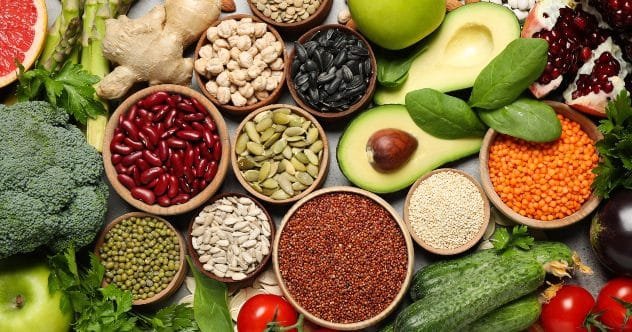
Feeling rundown or recovering from an illness? The foods you eat play a huge role in how quickly you bounce back. It’s amazing how what’s on your plate can support your body’s natural healing powers. We’re not just talking about any foods; we mean superfoods! These nutritional champions are packed with everything your body needs to repair, fight off germs, and regain strength. Ready to explore nature’s best remedies? Here are 10 fantastic superfoods that can help your body heal and get you feeling your best.
10 SMASH Fishes

SMASH fishes are a group that includes Sardines, Mackerel, Anchovies, Salmon, and Herring. These fish are great because they have low levels of mercury, a harmful substance. Instead, they are full of healthy omega-3 fatty acids. Omega-3s are super important for your brain, helping you feel good and stay focused. Your brain is actually made up of a lot of fat, so these good fats are like fuel for it! Plus, SMASH fishes help fight inflammation in your body.
You can find SMASH fishes easily in most grocery stores. If they’re not available, you can try other good options like canned light tuna, trout, catfish, or pollock. To get the most nutrients, it’s best to steam, grill, or bake these fish instead of frying them.
Try to eat at least two servings of fish each week. One of these servings should be an oily fish like those in the SMASH group. A serving is about 140 grams (or 5 ounces). Some people, like young girls, pregnant women, or nursing mothers, should stick to two servings of oily fish a week because they can contain small amounts of pollutants.
9 Leafy Greens

Leafy greens like kale, spinach, collard greens, Swiss chard, and mustard greens are true nutritional powerhouses. They are packed with vitamins A and C, calcium, and special plant chemicals called phytochemicals that are good for your health. These greens also give you fiber, which helps your digestion.
Eating leafy greens offers many benefits. They can help protect your eyes from diseases, improve your memory and thinking skills, and keep your cholesterol in check. They might even lower your risk of certain cancers. To enjoy them, try sautéing leafy greens with a bit of olive oil or adding them to salads. You can also mix them into soups and stews. Aim for three to four servings of these amazing greens each week, with a serving being about 70 grams (2.5 ounces).
8 Berries

Blueberries often get all the attention, but really, any edible berry can be considered a superfood! Think of blackberries, raspberries, strawberries, and fresh cranberries. They are low in calories, high in fiber, and full of antioxidants. Antioxidants are like bodyguards that fight off harmful free radicals, which can cause cancer.
Berries, whether fresh or frozen, contain flavonoids. These plant compounds give berries their bright colors and are known to boost your mood and brainpower. They’re also loaded with vitamin C, which strengthens your immune system—super helpful for fighting off colds! Blueberries are especially rich in anthocyanins, powerful antioxidants that may help prevent heart disease, diabetes, and even Alzheimer’s. Enjoy berries in your yogurt, cereal, oatmeal, or smoothies. They also add a tasty touch to a green salad. Just try to avoid versions with lots of added sugar, like berry pies.
7 Nuts

All nuts share some fantastic qualities: they’re packed with fiber, healthy fats, and protein. They also contain monounsaturated fats, which are good for your heart and may help reduce the risk of heart disease. Even though they’re high in fat, studies suggest nuts can actually help you maintain a healthy weight.
Walnuts are often called the “super nut” because their strong antioxidant powers help protect against diseases like cancer. It’s easy to add nuts to your diet. Sprinkle a handful on your oatmeal or yogurt, or just enjoy them as a snack. Remember, they are high in calories, so a_small handful is enough. You can also try different nut butters like almond, peanut, or cashew. Nuts are a delicious addition to salads or cooked vegetables too!
6 Onions and Garlic

If you’re fighting off an infection, whether it’s from a virus, bacteria, or fungus, garlic is one of the best foods to support your immune system. It might have a strong smell, but it’s incredibly powerful! Garlic, along with onions, leeks, and chives, can also help lower blood pressure, keep your heart healthy, and may even prevent cancer.
Garlic is rich in vitamin C, manganese, selenium, and fiber. To get the most benefits from onions and garlic, it’s best to eat them raw. Cooking can reduce their nutritional power. So, if you can, crush or chop them raw into your food for a healthy, albeit pungent, boost!
5 Ginger

Ginger is a zesty root that’s more than just a spice for cookies and lattes. It has a long history of being used to aid digestion, calm an upset stomach, and even treat arthritis. Ginger can also help with nausea and chronic pain. It’s believed to help prevent serious issues like heart disease, dementia, and cancer.
Thanks to its potassium, high iron, and vitamin C content, ginger is a fantastic immune system booster. Try to include ginger in your diet regularly. You can use fresh ginger root to flavor dishes like chicken or seafood, or grate it into sauces and salad dressings. Candied ginger makes a nice snack, and pickled ginger can be a tasty seasoning. Sipping on freshly brewed tea with a small piece of chopped ginger is another great way to enjoy its benefits. You can also use dried powdered ginger in your cooking.
4 Yogurt

Yogurt is a fantastic source of protein and calcium, but its real superpower comes from probiotics. These are live, friendly bacteria that help keep your gut healthy. By supporting the good bacteria in your digestive system, probiotics can help protect your body from harmful bacteria and prevent illness.
When choosing yogurt, be mindful of added sugars, especially in fruit-flavored varieties. Many yogurts contain unhealthy amounts of sugar or artificial sweeteners. Look for plain yogurt with less than 15 grams of sugar per serving and no artificial sweeteners – the less sugar, the better! You can always add your own fresh fruit for flavor. Plain yogurt also makes a great substitute for sour cream or mayonnaise in dips and sauces.
3 Avocado

Avocados have become incredibly popular, and for good reason! They are packed with healthy fats, vitamins, and minerals. The main type of fat in avocados is oleic acid, a monounsaturated fatty acid that is thought to help reduce inflammation in the body. Avocados are also a great way to add more fiber to your diet.
One of the easiest ways to enjoy an avocado is simply to eat it by itself. Slice a ripe avocado in half, add a little seasoning, and you have a delicious and nutritious treat. Spreading avocado on toast is another popular and healthy option – it’s creamy, velvety, and cholesterol-free. You can also blend avocado into a smoothie or juice.
2 Legumes

Legumes, which include foods like soybeans, peas, lentils, and garbanzo beans (chickpeas), are highly recommended for a healthy diet. They are excellent sources of folate, fiber, and plant-based protein. Eating legumes can help lower your risk of heart disease.
Research shows that legumes offer many health benefits, such as helping to manage Type II Diabetes and lowering blood pressure and cholesterol. Because they are so filling, beans and legumes can also help you feel satisfied for longer, which can aid in maintaining a healthy weight. You can easily add legumes to soups, salads, and casseroles. They also make great main dishes, like hummus or chili.
1 Broccoli

Broccoli, a cruciferous vegetable, is one of the most powerful antioxidants you can eat. It’s considered a top superfood because it helps protect your body from cancer. Compounds in broccoli called sulfur compounds tell your body to make more enzymes that detoxify, or clean out, harmful substances that could cause cancer.
Along with other cruciferous vegetables like cauliflower, cabbage, and Brussels sprouts, broccoli offers many health benefits. These include reducing your risk of heart disease and stroke. Broccoli is packed with nutrients but low in calories. It has one of the highest nutrient counts among superfoods. Its high fiber content helps you stay fuller for longer, making it a common feature in healthy weight-loss plans. To enjoy broccoli, try steaming or stir-frying it with healthy oils, herbs, and seasonings. You can also use frozen broccoli in pasta dishes, soups, and casseroles.
Incorporating these 10 superfoods into your diet isn’t just about eating healthy; it’s about actively participating in your body’s healing and recovery process. Each bite of these nutrient-packed wonders provides the building blocks your body needs to repair, rejuvenate, and thrive. Remember, a balanced diet rich in these natural powerhouses can make a significant difference in your overall well-being and resilience.
What are your favorite healing foods? Do you have any special recipes incorporating these superfoods? Share your thoughts and tips in the comments below!