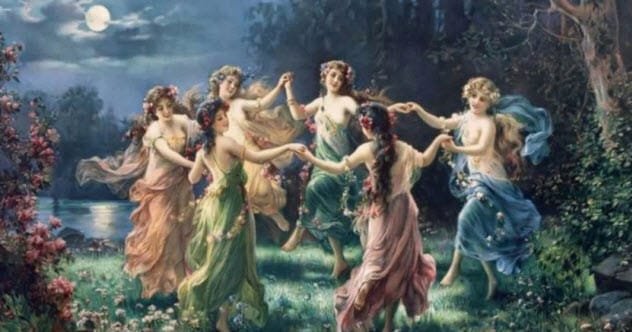
Fairies: ethereal beings of light and mischief? Think again! The traditional fairy was far from the Disney-fied version we know today. They were complex, powerful, and often terrifying creatures deeply woven into the fabric of everyday life. Forget pixie dust – prepare for poltergeists, changelings, and dangerous landscapes.
The Dark Side of Fairies
Step into a world where fairies aren’t just cute sprites. They’re powerful beings with a dark underbelly, capable of both helping and harming humans. Are you ready to explore the unsettling truths behind these mythical entities?
10 The Fairies Were Descended from the Fallen Angels
Imagine fairies as the cosmic leftovers of a heavenly rebellion. According to lore in Scotland, Wales, Ireland, and the Isle of Man, when the Proud Angel stirred up trouble in Heaven, not all angels ended up in Hell. Those who fell between the cracks became the Fairy Folk, forever trapped between worlds.
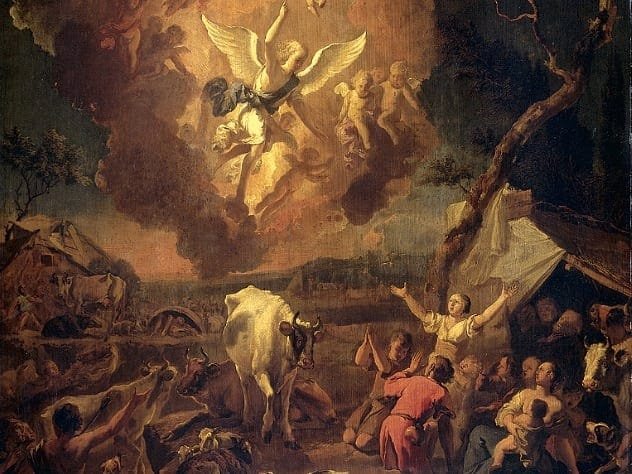
This origin story explains their immense power and their ambiguous nature. They’re neither wholly good nor entirely evil, existing in what was traditionally known as ‘The Middle Kingdom.’
9 Fairy Sightings
Believe it or not, fairy sightings are surprisingly common throughout history and across cultures. Scholar Simon Young has documented a staggering number of such reports, from various countries and diverse witnesses. During the Boer War era (1900-1901), a five-year-old boy in England claimed to see miniature soldiers marching across his bed every night, accompanied by martial music.
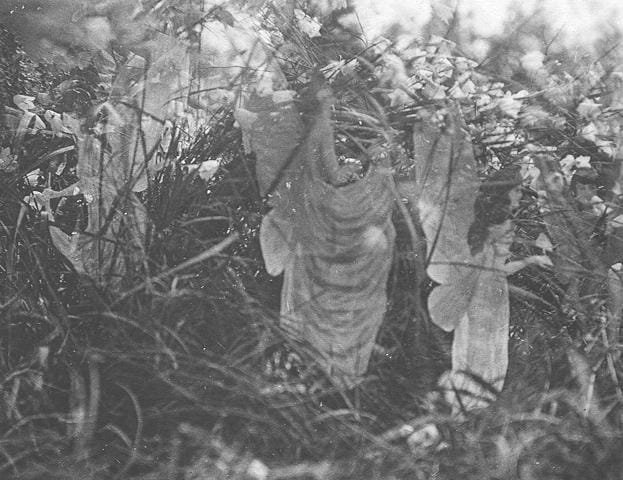
Decades later, in 1951, Victor Purcell, who became a History lecturer at Cambridge, emphatically swore to the truth of his childhood experience. Similarly, in 20th-century Wales, a fisherman reported seeing, and hearing, a small, elderly, male figure appear suddenly in a stream exclaiming, ‘Catch him, Tommy, I like to eat trouts, Tommy!’
8 The Leprechaun Hunt of West Limerick
In 1938, near Knockfierna fairy hill, a schoolboy named John Keely claimed to have seen a fairy. When questioned, the fairy stated he was ‘from the mountains’. The next day, multiple witnesses reported seeing two fairies skipping at the crossroads between Ballingarry and Kilfinney.
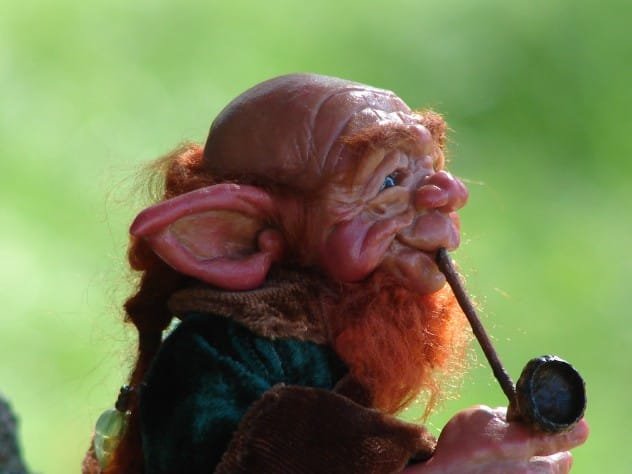
These leprechauns were described as being about two feet tall with hairy faces and no ears, dressed in red with knee-breeches. Locals chased them, believing that catching a leprechaun would lead to hidden treasure if kept in a box for a year and a day.
7 Fairy Music
Turn up the volume and listen closely! Fairy music has long been a part of folklore. On the Isle of Man, people would put their ears to the ground to hear the ‘Sounds of Infinity.’ In 1922, composer Dr. Thomas Wood heard music on Dartmoor and transcribed it, swearing its accuracy.

This ethereal music adds another layer to the mysterious allure of fairies.
6 Fairy Poltergeists
Poltergeists – disruptive, noisy spirits – were often attributed to angry fairies. These fairy poltergeists could be violent, but sometimes they’d leave gifts or help with chores, showcasing the dual nature of fairies: capable of both good and bad.
Katharine Briggs, a fairy pioneer, had a friend who visited Denton Hall near Newcastle in the 1890s. The old ladies of the Hall spoke of a ‘silkie’ who helped with housework but also made it difficult to keep servants. During World War Two, new occupants were tormented by bangings, suggesting the haunting continued.
5 Fairy Landscapes
Be careful where you build! The Irish countryside was believed to be heavily influenced by fairies. Fairy forts and hills were avoided, and fairy trees (usually thorns) were considered taboo. Roads were even built to swerve around them.

Most dangerous were the invisible fairy paths. Building a house on one could lead to disturbances, solved only by leaving doors open for the fairies to pass through.
4 Changelings
The concept of changelings—children swapped by fairies—was a grim reality in fairy lore. Desperate parents, convinced their child had been replaced, subjected infants to cruel tests.

Babies were immersed in foxglove essence, left in freezing weather, or placed on hot shovels. Some were even killed. Scholar Susan Schoon Eberly suggests that many of these ‘changelings’ suffered from undiagnosed medical conditions, like phenylketonuria (PKU).
3 Bridget Cleary
In a tragic case from 1895, Michael Cleary became convinced his wife, Bridget, was a fairy. Influenced by traditional beliefs, he subjected her to violent ‘fairy tests,’ including stripping, force-feeding, and threats.

On March 15, he burned her to death, believing she was a changeling. Despite the brutality, the jury found him guilty of manslaughter, and he was sentenced to 20 years in jail. This case highlighted the dangerous consequences of fairy belief.
2 Fairy Animals
Beyond the human realm, fairy animals added another layer of danger. In County Cavan, fairy foxes killed chickens, and in County Clare, a hunter fled from rabbits he recognized as fairies.

Even seals were considered fairy creatures, with myths of selkies—seal women who could transform into human wives. In 1839, seal-hunting was stopped in County Mayo after two boys claimed a seal they were killing begged for mercy, revealing he was their grandfather.
1 Biddy Early
Born in 1798, Biddy Early became a renowned folk healer and Fairy Doctor in Ireland, believed to derive her powers from contact with the fairies. She was an accomplished herbalist and clairvoyant, known for her healing abilities and accurate insights.

She only accepted gifts for her services and was known to turn away cases beyond her abilities. Despite Church hostility, twenty-seven priests attended her funeral in 1874, a testament to her legendary status and impact.
The Enduring Mystery of Fairies
From fallen angels to poltergeists and changelings, the world of fairies is far more complex and unsettling than modern tales suggest. These ten facts reveal the darker, stranger side of fairy lore, reminding us of the powerful influence these beings once held over everyday life.
What’s your favorite fairy tale? Share your thoughts in the comments below!