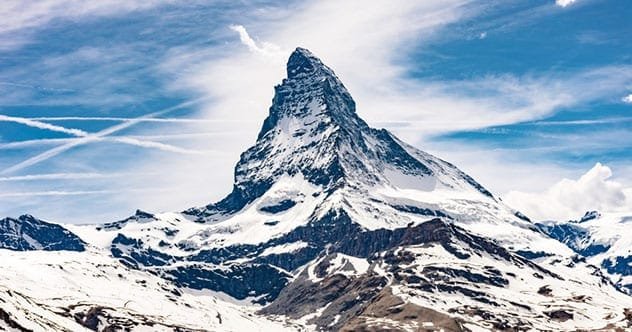
Mountains have captivated humanity for ages. Their towering peaks, formed by the Earth’s colossal movements, inspire awe and challenge adventurers. The United Nations even designated December 11th as International Mountain Day to highlight their ecological importance. Are you ready to explore some fascinating facts about these majestic giants?
Beach on Table Mountain
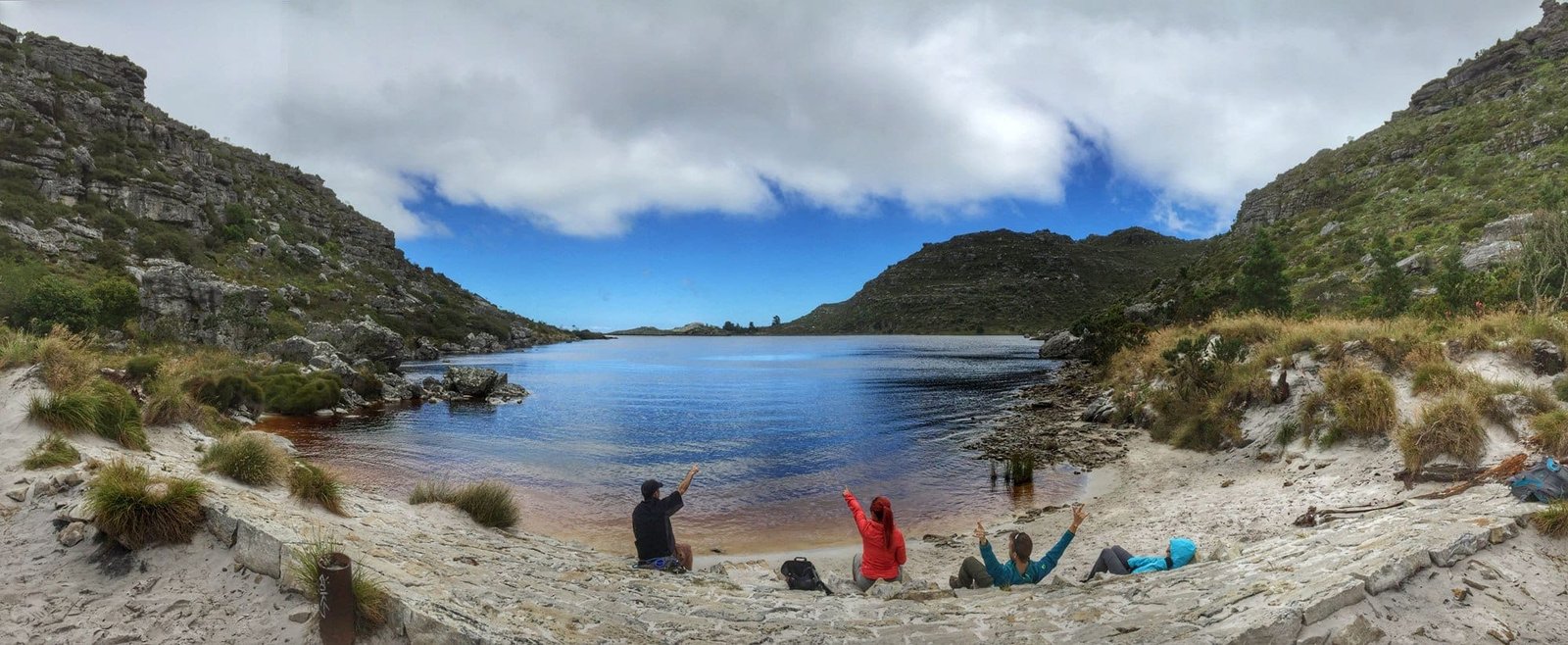
Table Mountain in Cape Town, known for its iconic flat top, is approximately 360 million years old. Legend says that when a thick mist settles on it, Jan van Hunks is having a smoking contest with the devil on Devil’s Peak. But did you know you can find a ‘beach’ up there?
Hike through Skeleton Gorge to the indigenous forest on the mountain’s east side. Continue to Maclear’s Beacon, the highest point, and a five-minute walk will lead you to the white sands of Skeleton Gorge Beach, next to the Hely-Hutchinson dam, one of five dams on Table Mountain. It’s an unexpected, scenic reward after a good hike!
Life on Mars on Mount Rainier
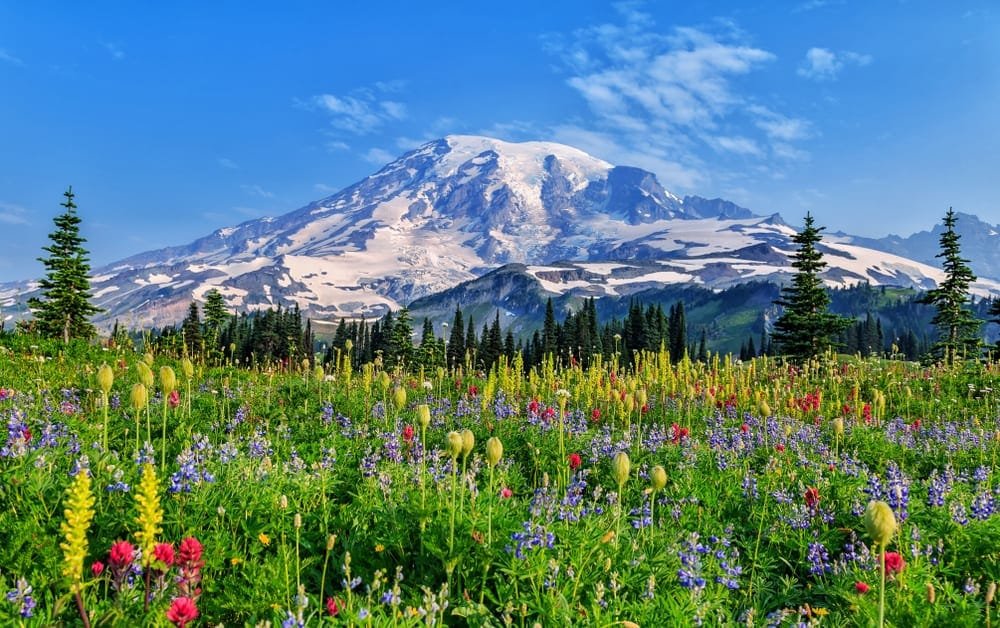
Mount Rainier, a potentially dangerous volcano in the Cascade Range, is known for its height, frequent earthquakes, and extensive glaciers. Despite not having a major eruption in 500 years, it holds fascinating secrets within its icy depths.
The glaciers of Mount Rainier are home to ice worms, creatures that live their entire lives on ice, feeding on snow algae. In 2017, scientists explored the fumarole ice caves, searching for extremophiles—tiny organisms that thrive on noxious gases. This research aimed to understand potential life on other planets, offering insights into how life might exist in extreme environments like Mars. It’s like a terrestrial analog for extraterrestrial life!
Tallest Manmade Structure on Ben Nevis
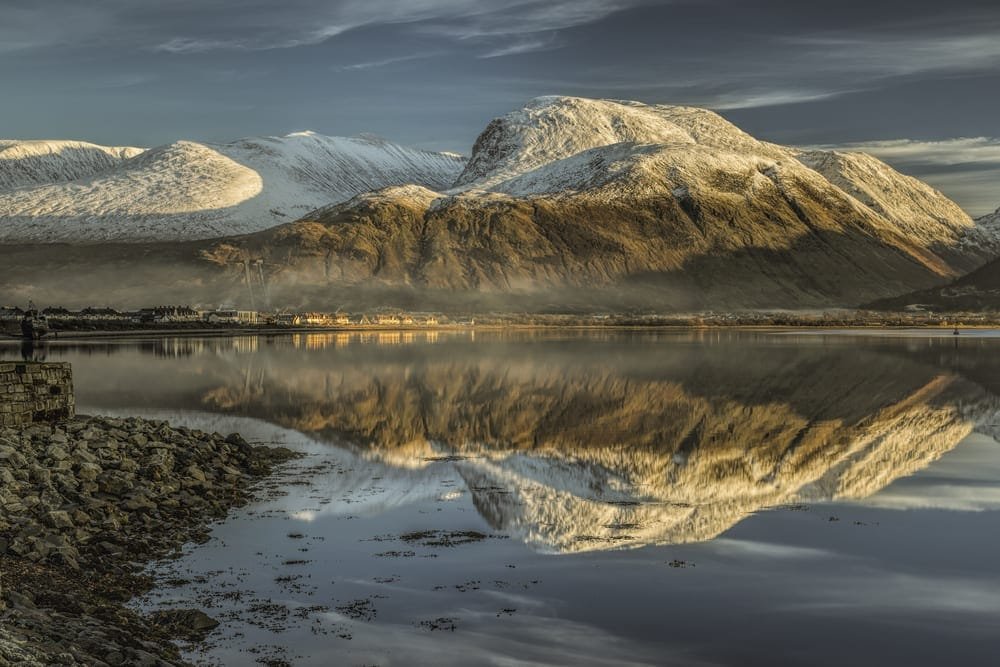
Ben Nevis, the highest mountain in the British Isles, draws around 100,000 visitors annually. Formed from the collapsed dome of an ancient volcano about 350 million years ago, its Gaelic name, Beinn Nibheis, means Venomous or Malicious Mountain.
At the summit, a rugged plateau houses a cairn and the remains of an old observatory. From 1883 to 1904, scientists lived and worked here, recording weather conditions hourly and contributing to the invention of the cloud chamber. The dilapidated roof of this observatory makes it the tallest manmade structure in the UK, still offering emergency shelter to this day!
Home to the Gods on Mount Olympus
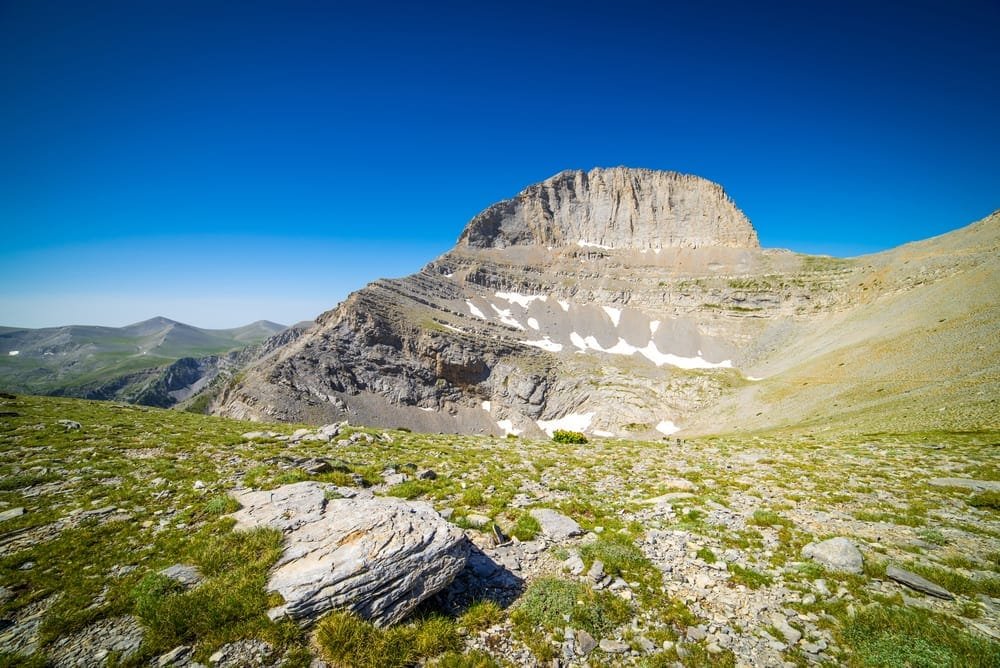
In Greek mythology, Mount Olympus was the dwelling of the Olympian Gods, won during their battle with the Titans. Its highest peak was believed to be frequented by Zeus himself.
The highest mountain in Greece, Mount Olympus, remained unexplored until 1913. It boasts a delicate ecosystem with diverse flora and fauna, including orchids, lilies, golden eagles, and Balkan chamois. Bears also traverse the mountain during their migrations, and 170 butterfly species add to its beauty. It’s a place where mythology and nature intertwine!
Resting Place of Noah’s Ark on Mount Ararat
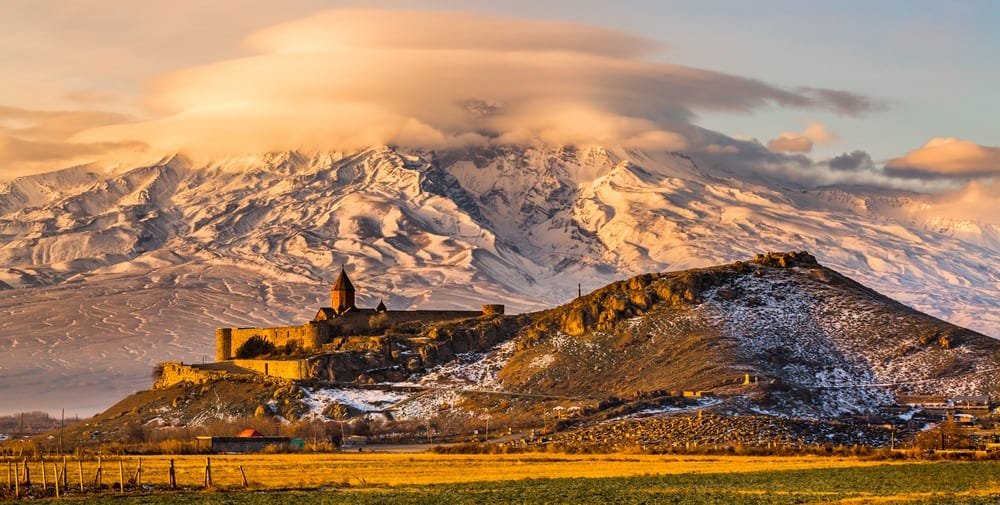
Mount Ararat, comprising two volcanic cones (Great Ararat and Little Ararat), is considered sacred by Armenians and is a national symbol. It’s often depicted with Noah’s Ark perched on its summit.
In 2010, a group of Turkish and Chinese explorers claimed to have discovered Noah’s Ark near the peak, finding large wooden compartments that carbon-dated to around 4,800 years old. This sparked widespread debate, with many experts refuting the claims. Regardless of the controversy, the legend adds to the mountain’s mystique.
Ghostly Apparitions in the Appalachian Mountains
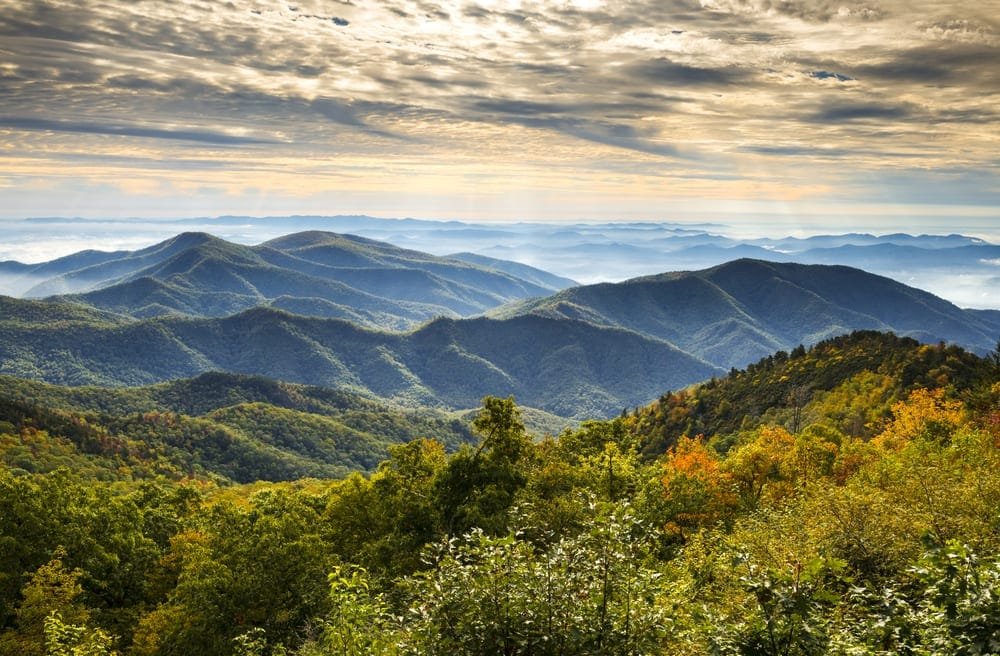
The Appalachian Mountains, spanning fourteen states, are famous for their National Scenic Trail. The idea for this trail reportedly came to its creator while sitting in a tree atop Vermont’s Stratton Mountain.
Many hikers attempt the entire trail, but face challenges like injury and fatigue. Besides its natural beauty, the Appalachians are known for hauntings. Reports include disembodied footsteps, whispers, Bigfoot encounters, and a vanishing apparition in formal clothes with icy blue eyes. These eerie tales add a spooky element to the hiking experience!
Hotel at the Base of ‘The Ogre’ (Eiger)
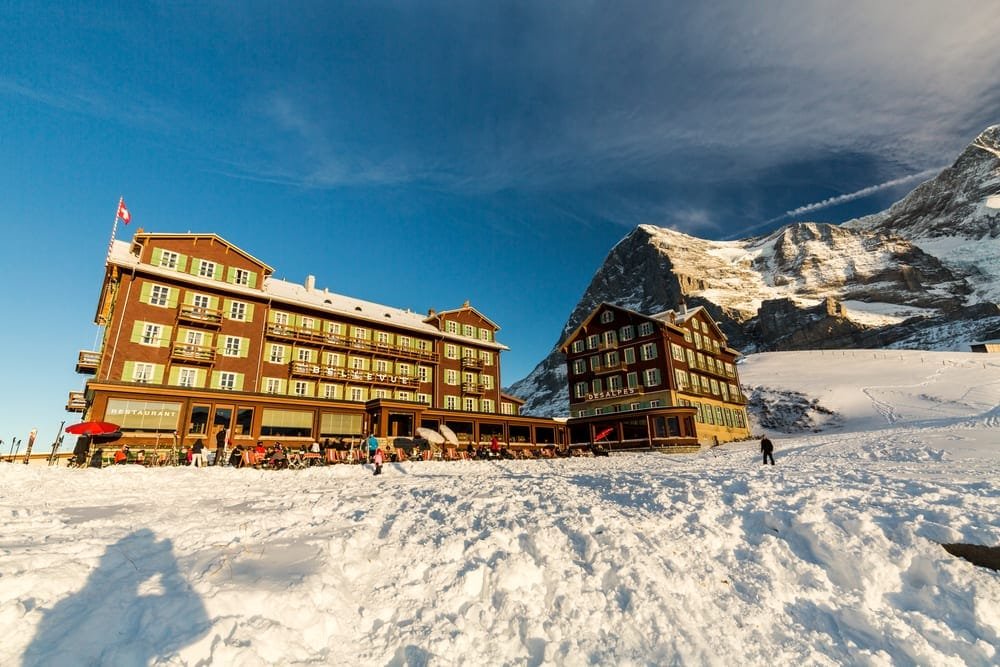
The Eiger, also known as the ‘Ogre,’ in Switzerland, gained notoriety for its treacherous north face. First climbed in 1938, it has seen at least 64 climber deaths since 1935. Its north face, consisting of limestone and ice, is perpetually in shadow, earning it the nickname Mordwand, meaning ‘death wall.’
At the base of the Eiger’s north face lies the Bellevue des Alpes hotel. In the past, spectators gathered on its balconies to watch climbers attempt the perilous ascent. This grand hotel, dating back to the 19th century, offers a unique, albeit somber, vantage point.
Incredible Tribute on the Matterhorn
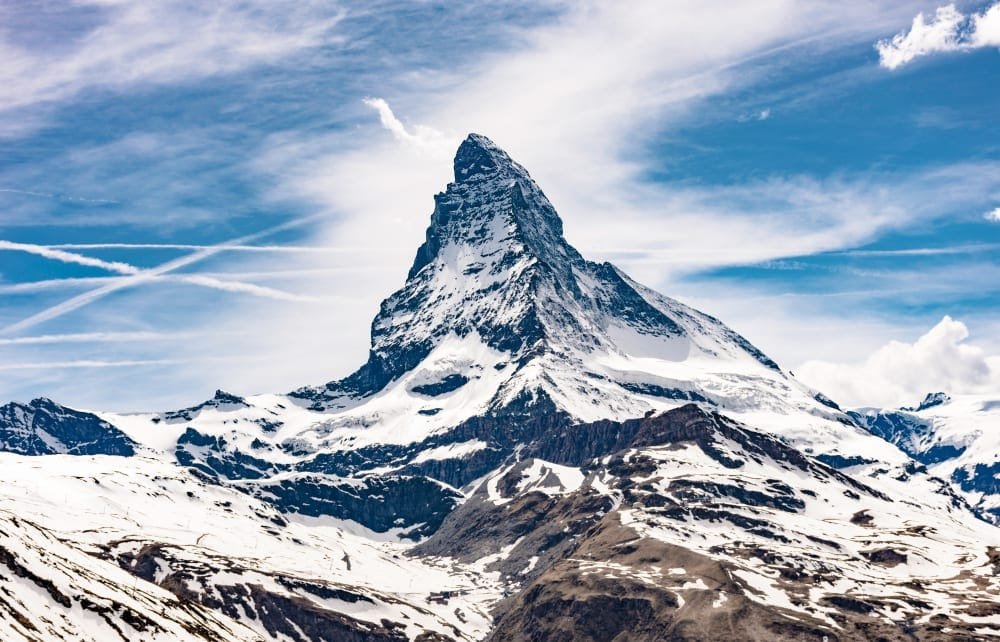
The Matterhorn, straddling the Swiss-Italian border, is recognized for its pyramid shape, formed millions of years ago by colliding landmasses. The rock at its summit originated from the African continental plate.
The mountain claimed its first victims during its initial ascent in 1865, with only three of seven climbers surviving. Since then, about 500 more have died attempting to climb it. In 2015, mountain guides retraced the steps of the first climbers, placing glowing red lanterns along the ridge as a poignant tribute to those who lost their lives. The mountain stands as a solemn reminder of the risks of mountaineering.
What’s in a Name? Denali
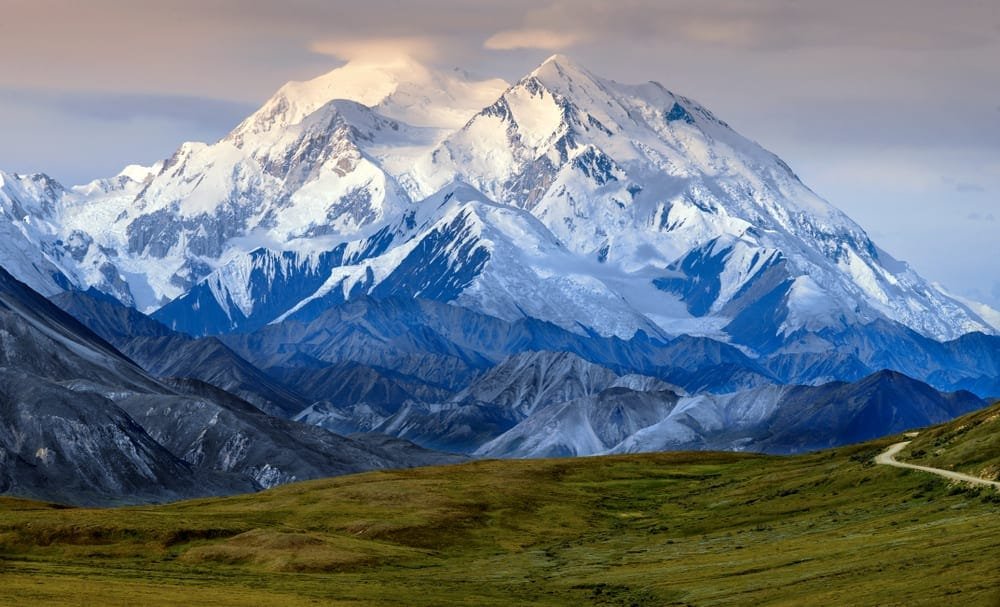
The tallest mountain in North America was originally named Denali, meaning “The Great One,” by the native Koyukon Athabascan people. However, in 1896, a gold prospector renamed it Mount McKinley after President William McKinley.
Despite Alaska renaming it Denali in 1975, the federal government initially blocked the change. Finally, in 2015, President Barack Obama officially restored the name Denali. Though Denali seems taller than Mount Everest, both mountains are dwarfed by Mauna Kea in Hawaii when measured from its base on the ocean floor.
A Growing Mountain: Mount Logan
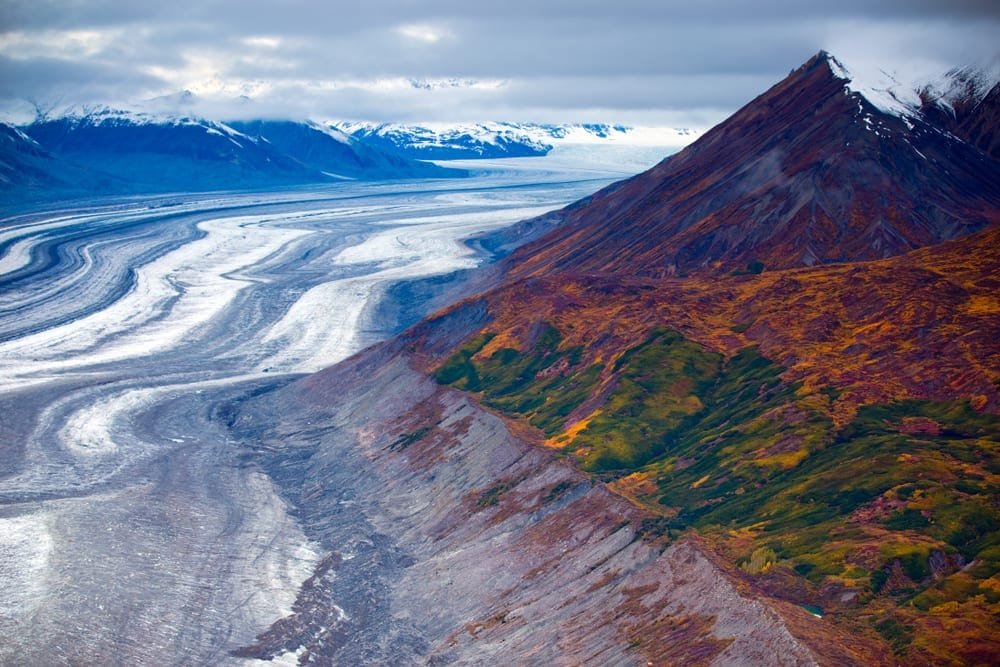
Mount Logan, Canada’s tallest mountain and the second highest in North America, has the largest base circumference of any non-volcanic mountain on Earth. Its exact height was determined in 1992 using GPS technology.
The mountain isn’t stagnant; it’s still rising due to ongoing tectonic movements. Temperatures can plummet to -45 degrees Celsius in winter and -27 degrees Celsius in summer. Recent changes by Parks Canada include banning solo expeditions and requiring mandatory insurance for climbing parties, underscoring the challenges and risks associated with this majestic peak.
Mountains are more than just geological formations; they are steeped in history, mythology, and natural wonders. From beaches atop mountains to ghostly encounters and tributes to fallen climbers, each mountain has its unique story to tell. Which of these facts surprised you the most?
Share your thoughts in the comments below!