Remember those treats you loved as a kid? The ones you begged your parents for at the store? Sadly, some delicious snacks disappear forever, whether it’s due to a company closing down or a product being discontinued after a lawsuit. Let’s take a trip down memory lane and revisit some once-popular treats you can no longer enjoy.
Jell-O Pudding Pops

In the 1980s, Jell-O Pudding Pops were everywhere, thanks to Bill Cosby’s famous commercials. These frozen treats were a hit with both kids and parents. But in the 1990s, sales declined, and they disappeared. General Foods licensed the name to Popsicle in 2004, but the new recipe and molds didn’t capture the original magic. While you can find recipes to make your own, the original Pudding Pops are gone.
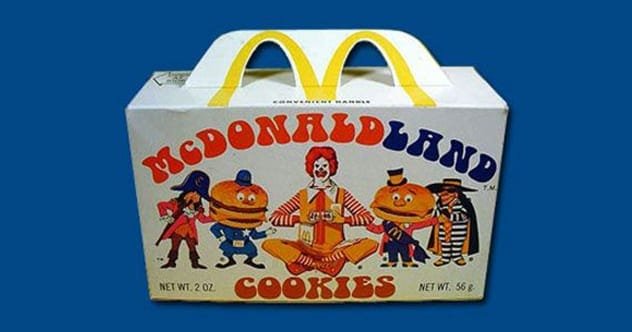
McDonald’s Happy Meal Cookies
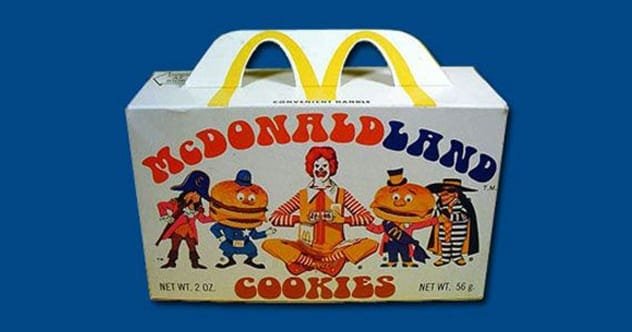
Today, McDonald’s offers chocolate chip cookies, but it wasn’t always that way. For years, the only cookies you could get were in a Happy Meal. These cookies came in the shape of animal crackers or chocolate chips. Many kids preferred them over apple slices. Introduced in 1974, these small, hard, and processed cookies are fondly remembered. Despite requests for their return, they haven’t been produced in over 20 years.
Sunny D

Launched in 1963 as Sunny Delight, most kids in the ’90s knew it as Sunny D. Marketed as an alternative to orange juice, it was essentially an orange-colored soft drink. Controversies arose when parents realized it contained no actual juice. A girl’s skin even turned yellow from drinking too much of it! Sunny Delight reformulated the drink, but today’s Sunny D, with less than 2% fruit juice, is nothing like the original.
Candy Cigarettes
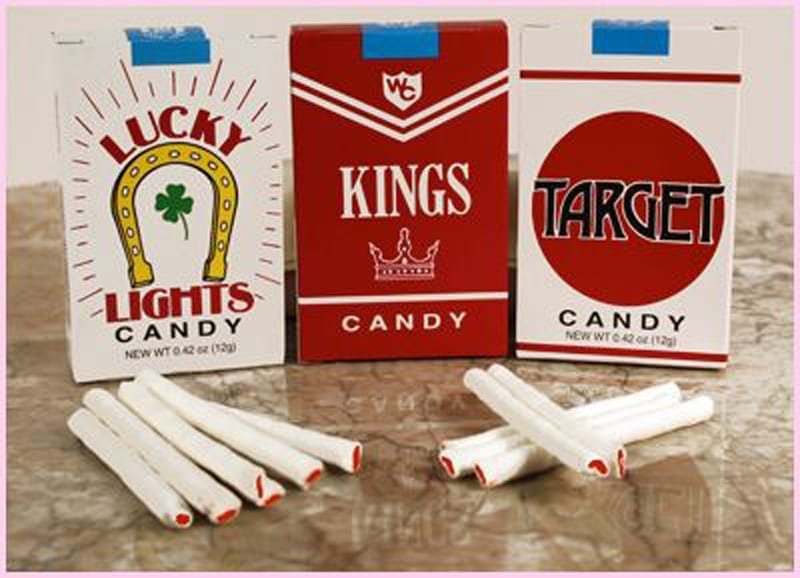
First introduced in the late 19th century, candy cigarettes were made of chocolate, bubblegum, or chalky sugar. Marketed as edible cigarettes in cigarette-like packaging, they were a hit with kids. However, parents worried they desensitized children to smoking. Studies suggested a link between consuming candy cigarettes and later smoking habits. Banned in several countries, they are now marketed as bubble gum or candy sticks, without the word “cigarette.”
Life Savers Holes

Life Savers candy has been around since 1912. In 1990, Life Savers Holes were introduced, marketed as the missing bits from the candy’s middle. These smaller pieces of the same candy were a clever way to sell more. However, the plastic tube packaging had a cap that could break apart, posing a choking hazard. After a recall and a packaging update, they returned briefly but were soon discontinued.
Lay’s WOW Chips

In 1998, Frito-Lay introduced WOW chips, a fat-free version of Lay’s, Ruffles, Doritos, and Tostitos. They used Olestra, a fat substitute, which led to some unpleasant side effects like abdominal cramping and fecal incontinence. The packaging had warning labels about these effects. Sales dropped, and the brand was rebranded as “Light,” but with the same side effects.
Gatorade Gatorgum

The Fleer Corporation produced Gatorade chewing gum in the late 1970s. Gatorgum came in lemon-lime and orange flavors, with the tagline “IT WORKS!” It claimed to help quench thirst. While not the most popular gum, it sold well, especially to Gatorade fans. The flavor was strong but didn’t last long. When Fleer lost the license, the gum disappeared in 1989, and fans were left searching eBay for old packs.
Nestlé Magic Ball

Introduced in the 1990s, the Nestlé Magic Ball was a large milk chocolate shell with a Disney figurine inside. It was a hit but faced criticism as a choking hazard. Despite Nestlé’s insistence on its safety, a dozen safety reports led to its removal in 1997. It was reintroduced as the Nestlé Wonder Ball in 2000, with candy inside instead of a toy. After disappearing for nine years, it was re-released by Frankford in 2016 with candy and stickers.
Four Loko
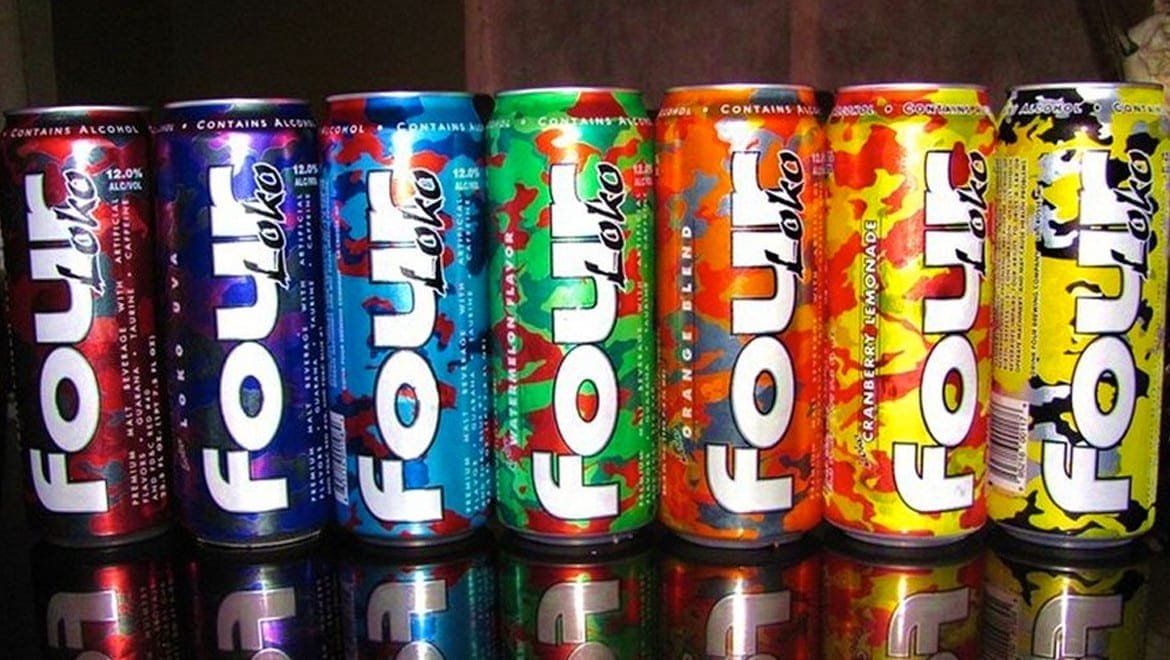
Developed in 2005, Four Loko was marketed as “energy beer” to college students. Its original recipe included around 155 mg of caffeine, combining a stimulant with alcohol. This led to severe intoxication and blackouts, prompting the FDA and state attorneys general to intervene. Phusion Projects reformulated the drink, removing caffeine, guarana, and taurine. A black market then emerged for the original drink.
Haribo Sugar-Free Gummy Bears
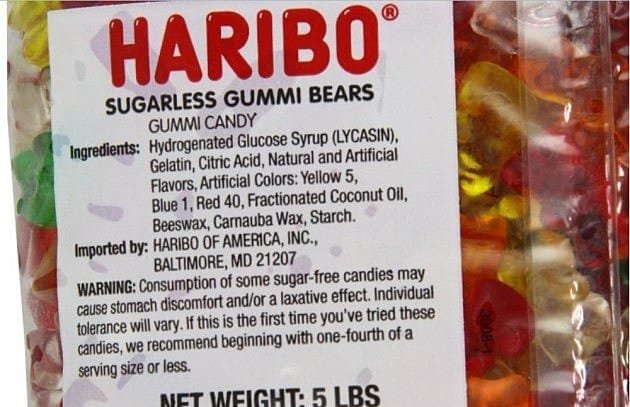
To appeal to health-conscious consumers, Haribo created sugar-free gummy bears using Lycasin, with maltitol as its main ingredient. While everything seemed great on paper, the human body didn’t react well to Lycasin. Numerous Amazon reviews detailed the digestive issues caused by these gummy bears, with colorful descriptions of “intestinal power washes.” Haribo discontinued the product, but they can still be found on eBay, with a strong warning.
These once-popular treats may be gone, but they live on in our memories. From pudding pops to questionable gummy bears, these foods remind us of simpler times. While some may return in a different form, the originals will always hold a special place in our hearts.
What treats do you miss the most? Leave your comment below!