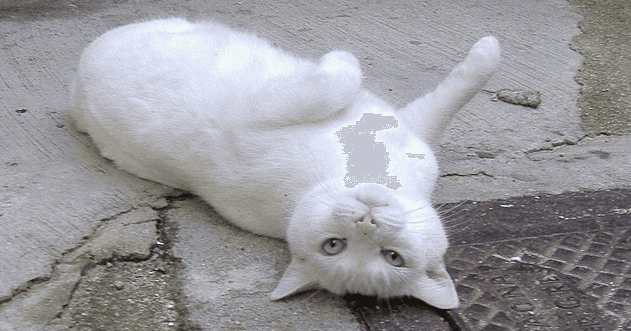
Animals do the most amazing things! But sometimes, we humans get it all wrong when we try to explain why they act the way they do. We might think we know a lot about animal behavior, maybe from old stories or what we’ve seen on TV. Often, what we believe is based on outdated ideas or simply because we see animals through human eyes.
It’s easy to misunderstand creatures that can’t tell us what they’re thinking. Get ready to be surprised as we explore 10 animal behaviors that many people believe, but are actually not quite true. Let’s dive in and sort fact from fiction!
1. Opossums Don’t “Play” Dead on Purpose

Many people think opossums are clever actors. When an opossum feels trapped, it might fall over, its tongue might hang out, and it might even release a bad smell. This looks like it’s pretending to be dead to trick predators. This belief is so widespread that “playing possum” means faking something.
But here’s the surprising truth: opossums don’t choose to do this. When they get a sudden, big scare, their bodies react automatically. They go into a kind of shock, almost like fainting from extreme fear. They can’t control it, and they can’t just snap out of it. This state can last for a few minutes or even several hours. While the bad smell might put off some attackers, the opossum is helpless and can be hurt or killed during this time.
2. Raccoons Aren’t Actually Washing Their Food

It’s quite cute to see a raccoon take its food to water and dip it, making it look like it’s washing off dirt. This makes us think raccoons are very clean eaters. However, these masked critters aren’t really worried about germs on their meal.
The real reason raccoons dip their food in water is all about their sense of touch. Raccoons have incredibly sensitive paws, with many more nerve endings than most other mammals. Wetting their paws makes these nerves even more responsive. So, when a raccoon “washes” its food, it’s actually trying to get more information about what it’s about to eat. It’s like they’re feeling their food with extra detail!
3. Not All Fireflies Blink for Love
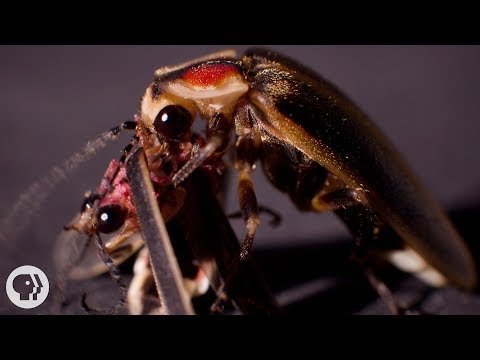
Watching fireflies light up a summer evening is magical. These little beetles, also known as lightning bugs, belong to a huge family with over two thousand different kinds! We generally assume that when fireflies flash their lights, they’re trying to find a partner to mate with. For many types of fireflies, this is true.
However, love isn’t the only reason for the light show. Some fireflies use their glowing ability for hunting. Even more crafty, some species will mimic the flashing pattern of another firefly species. A hopeful bug from that other species will fly over, thinking it’s found a mate, only to become dinner for the tricky firefly. So, those twinkles in the dark can sometimes be a deadly trap!
4. Ostriches Don’t Hide Their Heads in the Sand

You’ve probably heard the saying, “Don’t stick your head in the sand.” It means avoiding your problems. This phrase comes from a very old and very wrong idea that ostriches bury their heads in the sand when they are scared. People seem to think that if an ostrich can’t see danger, it believes the danger disappears.
First off, an ostrich wouldn’t be able to breathe with its head buried! And more importantly, ostriches are not silly enough to think that hiding their head makes them safe. No animal that needs to avoid predators could survive with such a poor defense strategy. What people sometimes see is an ostrich lowering its long neck to the ground. They do this to turn their eggs in their nests, which they dig in the sand, or sometimes to rest their necks. From far away, it might look like their head is buried, but it’s just an illusion.
5. Lemmings Don’t Intentionally Jump off Cliffs

The image of lemmings blindly following each other off a cliff in a mass suicide is a popular, yet disturbing, myth. Just like ostriches, lemmings actually have good instincts for survival. They don’t want to die!
What is true is that lemmings sometimes migrate in large groups when their population in one area gets too big. During these migrations, they might try to cross a large river or lake that’s too wide for them to swim, and sadly, many can drown. Sometimes, they might also accidentally fall off a cliff edge if the group is moving quickly or in unfamiliar territory. These accidental deaths led to wild theories. The idea of lemming mass suicide was made even more famous by a 1958 Disney nature film called White Wilderness, which unfortunately staged such a scene.
6. Skunks Don’t Spray Every Time They Get Scared

Most people get very nervous if they see a skunk, expecting to be sprayed with that awful smell immediately. But skunks actually try their best not to spray. Their stinky defensive liquid is a precious resource. Once they use it up, it takes time to make more – sometimes up to two weeks!
A skunk can only spray a few times before its glands are empty. During the recharge period, they’re much more vulnerable to predators. So, skunks will try many other ways to escape danger before resorting to their famous spray. They might hiss, stomp their feet, or even do a little warning “dance” which can include handstands, depending on the skunk species. This dance isn’t just for show; it’s a clear signal: “Back off, or else!” If you see that, it’s your cue to leave them alone.
7. Cats Don’t Always Land on Their Feet

Cats are famous for their incredible agility. They can jump high, balance on narrow ledges, and often twist their bodies mid-air to land on their feet during a fall. This is called the “righting reflex.” Their whiskers, found not just on their face but also on the backs of their legs, help them sense their surroundings and keep their balance.
However, the idea that cats always land on their feet is a myth. While their reflex is amazing, it’s not foolproof. If a cat falls from a very short distance, it might not have enough time to turn itself around. Also, if a cat is overweight or unwell, its ability to land safely can be affected. Landing on their feet is a great survival skill, but it’s not magic, and falls can still lead to serious injuries. So, if you have a cat and live in an apartment, it’s always a good idea to keep windows secure.
8. Cats Aren’t “Playing” with Their Prey Out of Cruelty

Another common misunderstanding about our feline friends is that they cruelly “play” with their prey, like mice. You might see a cat batting a mouse around, tossing it in the air, much like it does with a toy. The truth is actually the other way around: cats treat their toys like prey because for many predators, playtime is really just practice for hunting.
So why do they toss their food around instead of quickly killing and eating it? It’s because cats, even our house pets, are highly skilled predators. They are perfectly built to hunt, but their prey can sometimes fight back. A scratch or a bite from a desperate rodent could cause an infection and be dangerous for the cat. To avoid injury, cats often try to stun or disable their prey from a safer distance. Tossing a mouse helps them do this without getting their face too close to sharp teeth.
9. Alpha Wolves Aren’t Pack Bullies

For a long time, we believed that wolf packs, and by extension dog groups, had a strict hierarchy where individuals fought for the top spot. The strongest male or female, the “alpha,” was thought to rule by dominating others. However, newer research paints a different picture of wolf pack dynamics.
It turns out that a typical wolf pack is often just a family unit – a pair of parents and their offspring of various ages. The “alpha” male and female are usually simply the parents. The other wolves follow their lead not because they’ve been beaten into submission, but because they’re guided by their parents, much like in a human family. There isn’t constant fighting for dominance; it’s more about cooperation and following the experienced leaders of the family group.
10. Pandas Are Actually Great Mates – In the Wild

Giant pandas are famous for a few things: being adorable, eating almost nothing but bamboo (which isn’t very nutritious for them), and, unfortunately, being bad at mating in captivity. We often hear about the struggles zoos face trying to get pandas to reproduce to help save the species from extinction.
It’s true that female pandas are only fertile for a very short window of time each year. In zoos and breeding centers, pandas often seem uninterested in mating. This has given them a reputation for having a low sex drive. However, the surprising twist is that in their natural wild habitat, pandas don’t seem to have these problems at all! Wild pandas are quite successful at finding mates and reproducing. It seems that the conditions of captivity, not a lack of desire, are the main hurdle. This shows that simply putting a male and female together doesn’t always guarantee nature will take its course, especially for such sensitive animals.
As we’ve seen, the animal kingdom is full of surprising truths! Many behaviors we thought we understood turn out to be more complex or simply different from our common assumptions. From opossums feigning death out of shock, not choice, to pandas who are actually quite capable lovers in their natural homes, it’s clear that animals have their own fascinating reasons for what they do.
Learning about these misconceptions helps us appreciate animals even more. It reminds us to be curious, to question what we think we know, and to look a little deeper into the lives of the amazing creatures we share our planet with. The more we understand, the better we can respect and protect them.
Were you surprised by any of these animal behavior myths? Do you know any others? Share your thoughts and let’s keep learning together! Leave your comment below.