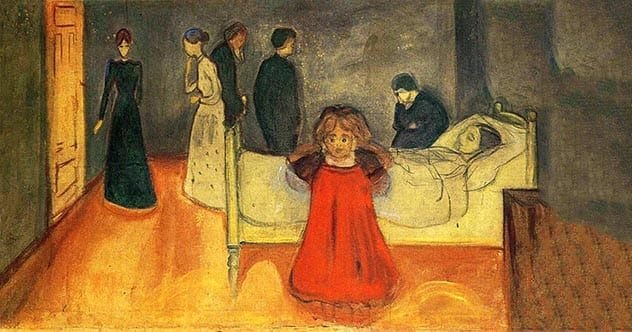
The final moments of life often hold profound significance. It’s a time when individuals reflect, reveal hidden truths, or seek closure before stepping into the unknown. How people choose to spend these last moments varies greatly, offering a glimpse into their lives, beliefs, and deepest desires. Some depart quietly, while others leave with a dramatic flourish. Here are ten fascinating deathbed moments that capture the spectrum of human experience.
A Daughter’s Deathbed Confession of Incest
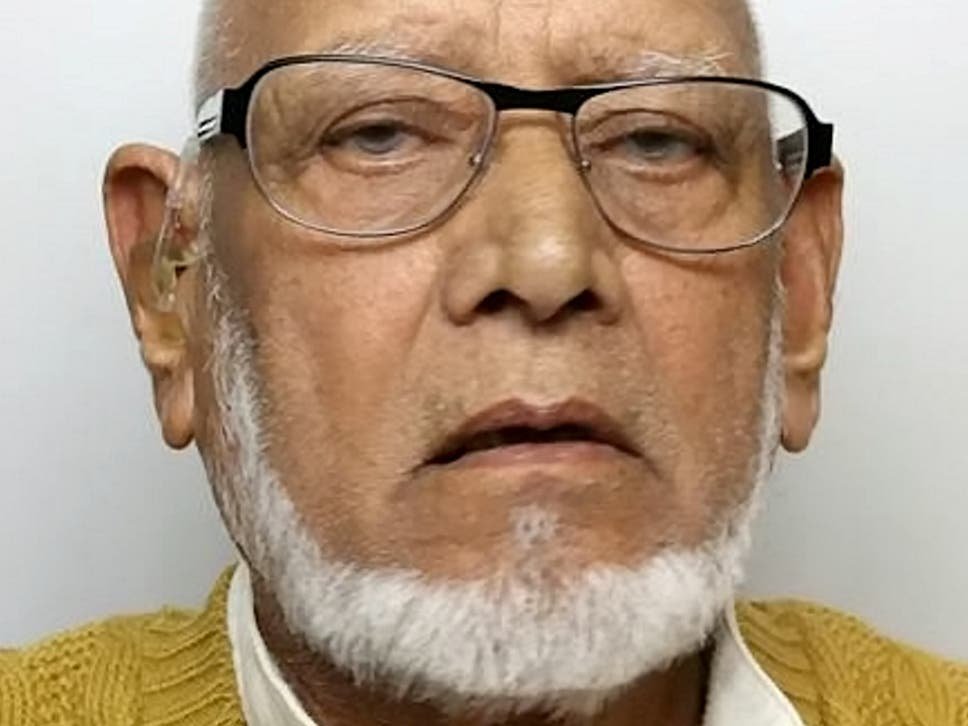
After Ashraf Khan’s daughter married and had three children, a dark secret surfaced. The children suffered from various ailments, including an inability to feel pain. The husband initially believed it was a genetic condition. However, on her deathbed, the wife confessed that he was not the children’s father. Her own father had impregnated her multiple times. DNA tests confirmed the horrifying truth.
The husband delayed reporting the crime, wanting to continue as the children’s father despite the lack of a biological connection. Ashraf Khan was arrested upon his return from Pakistan. Convicted of incest, the elderly Khan received a six-year prison sentence. Despite the shocking revelation, the children maintained their respect for the man they still called “father.”
Edward VIII Pleads for His Unfaithful Wife’s Return
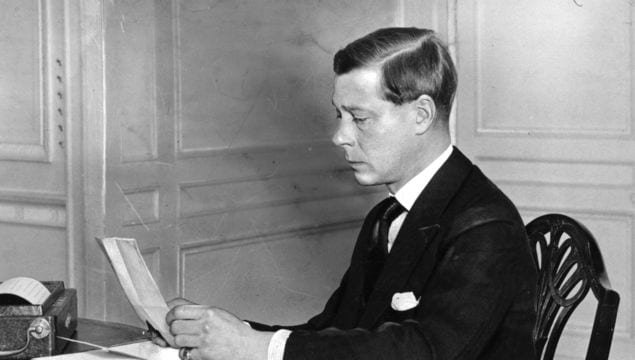
King Edward VIII famously abdicated his throne to marry Wallis Simpson, a twice-divorced American socialite. However, Simpson harbored feelings for Herman Rogers, the husband of one of her friends. Rogers, already married, became a close friend and even gave Simpson away at her wedding to Edward.
After Rogers’ wife passed away, he remarried, causing Simpson great distress. She reportedly called him “the only man she ever loved.” Consequently, her marriage to Edward crumbled. As Edward suffered from throat cancer, Simpson was often absent. On his deathbed, Edward desperately called out for his wife, but she wasn’t there when he died.
A Nazi’s Confession of Treasure

During World War II, the Nazis plundered valuables across Europe, amassing vast amounts of wealth. Rumors have long persisted about undiscovered Nazi gold hidden throughout the continent. On his deathbed, a Nazi soldier claimed to have helped conceal a train filled with stolen gold in Poland, then part of Germany.
Two amateur archaeologists took the confession seriously, investigating the area. They found evidence of an armored train buried underground. Despite weeks of digging, they found nothing but dirt, leading some to believe the story was false. Nevertheless, the media frenzy surrounding the search brought about $200 million to the local economy, proving that the confession did, in a way, lead to treasure.
Andrew Jackson Bucks the Royal Treatment
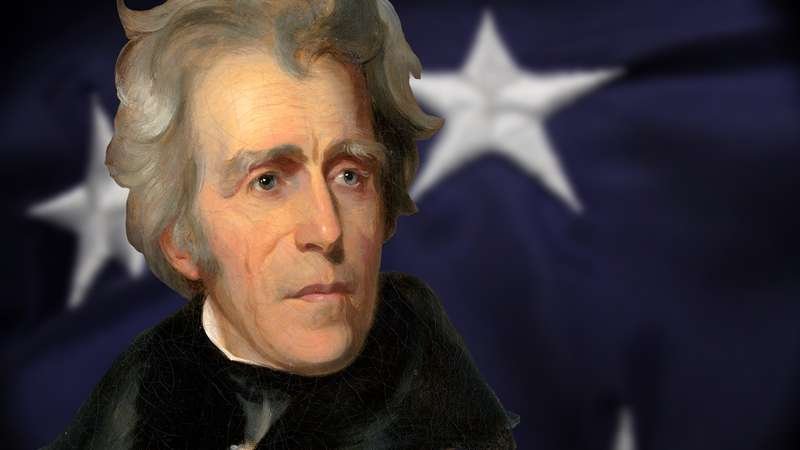
Andrew Jackson, a controversial U.S. president, aimed to be a man of the people, although many criticized him as a tyrant. His last wish reflected this populist image. As he neared death, a friend acquired the sarcophagus of Roman Emperor Alexander Severus, intending it as Jackson’s grand tomb, believing it would honor the former president.
Jackson refused the ornate coffin, believing it contradicted his political ideals. He wished for a simple burial. Thousands attended his funeral, but the sarcophagus was ultimately donated to the Smithsonian Institute, honoring Jackson’s wish for an unpretentious farewell.
R&B Singer Reveals His Sexuality

Kenny Greene, the lead singer, songwriter, and producer for the 90s R&B group Intro, concealed his bisexuality for fear of impacting the band’s success. Later in life, Greene contracted AIDS. Facing his impending death, he gave a candid interview, opening up about his sexuality.
With nothing left to lose, Greene spoke openly about his experiences and warned others to practice safe sex and embrace their true selves. He wanted his legacy to promote openness and safety. Greene hoped his confession would positively impact those struggling with similar issues.
Chopin Demands His Heart Cut Out
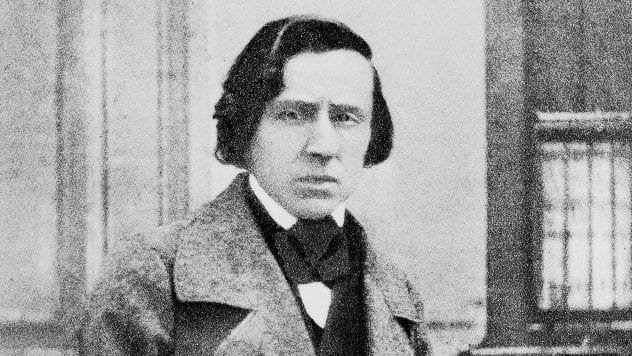
Frédéric Chopin, the renowned classical composer, lived a tragically short life, succumbing to tuberculosis at age 39. Terrified of being buried alive—a legitimate concern at the time—Chopin devised a morbid plan.
On his deathbed, he instructed his sister to have surgeons remove his heart after his death to ensure he was truly deceased. His sister honored his wish, and Chopin’s heart was extracted and preserved in a jar of cognac.
Thanks to his final wish, modern doctors examined his preserved heart and pinpointed pericarditis, a complication of tuberculosis, as the cause of his premature death. This bizarre request provided valuable insight into the composer’s demise.
Oscar Wilde’s Deathbed Conversion
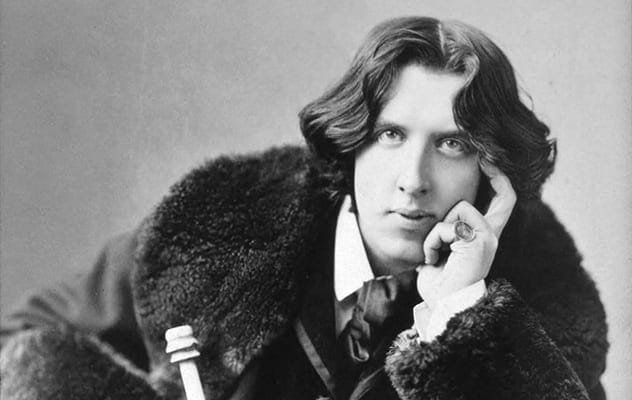
Oscar Wilde, known for his decadent lifestyle and scorn for traditional values, faced imprisonment for sodomy due to a relationship with Lord Alfred Douglas. Though he rejected societal norms, Wilde maintained a deep interest in Catholicism since childhood.
During his imprisonment, Wilde studied the Bible and claimed spiritual renewal. After his release, he sought a religious retreat, but was rejected. Exiled in France, he fell into poverty and alcoholism. On his deathbed, Wilde requested to be received into the Catholic Church, and a priest administered his Last Sacraments, marking a profound transformation.
A Lung Cancer Patient Speaks to Save Others

John Wiseman was dying from complications related to smoking. Suffering from immense pain and hooked up to machines, he knew his time was limited. He decided to use his final hours to warn others about the dangers of smoking.
Wiseman recorded a video on his deathbed, detailing his suffering and urging others not to start smoking. His sister shared the video on Facebook, along with her own message about the far-reaching impact of smoking. Wiseman’s poignant warning served as a powerful deterrent against the habit.
Einstein Investigates the Mind of God
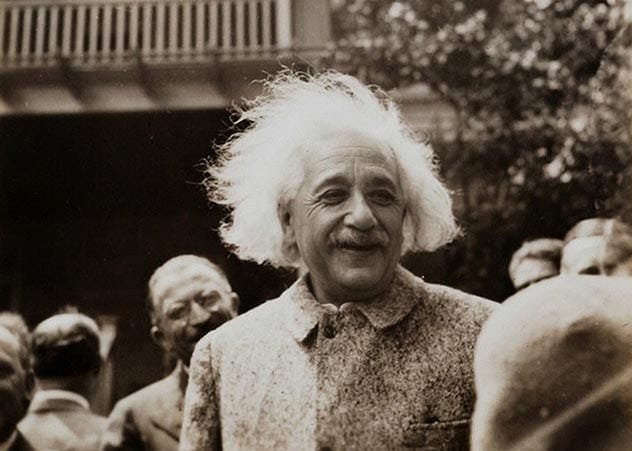
Albert Einstein, a man of science and philosophy, remained dedicated to his work until the very end. On the day he died, he was completing a speech for an Israeli Independence Day event, emphasizing the importance of humanity.
Einstein’s lifelong quest was to create a unifying theory of everything. Despite disagreements with his peers, he pursued his vision relentlessly. Even on his deathbed, he requested his notes, seeking to understand the mind of God as he approached the end of his life.
Aldous Huxley Trips Into The Other Side

Aldous Huxley, author of Brave New World, later explored the potential of psychedelics like LSD to unlock higher states of consciousness. Interested in mysticism, he documented his experiences in The Doors of Perception.
As Huxley lay dying from cancer, he asked his wife to administer a large dose of LSD. With the doctor’s approval, she injected him. Observers noted that Huxley’s death was remarkably serene, without the usual convulsions, suggesting a peaceful passage into the unknown.
These deathbed moments reveal the diverse ways individuals face their mortality. From shocking confessions to spiritual awakenings, these stories offer profound insights into the human condition. What do you think about these final acts? Leave your comment below.