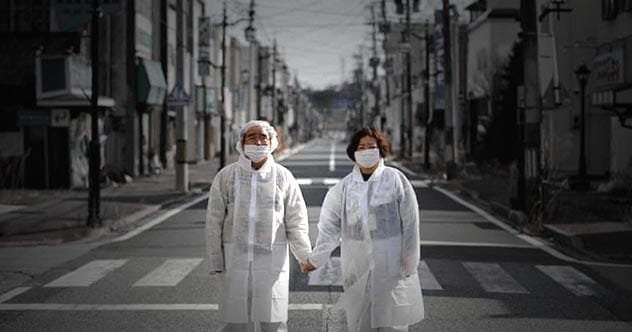
Phobias are common, affecting millions. But some phobias are so rare, you might not believe they exist. These intense, irrational fears can disrupt daily life. Let’s explore ten unusual phobias you may have never encountered.
Oikophobia

Oikophobia is the fear of one’s home surroundings. While home is usually a safe haven, those with oikophobia experience anxiety and stress related to their home environment. This can include fear of appliances, furniture, or decor.
This phobia often stems from negative experiences or traumatic events at home. Reactions can include excessive sweating, nausea, and panic attacks. Interestingly, oikophobia has also evolved to describe the fear of one’s own culture or country, almost the opposite of xenophobia.
Erythrophobia

Erythrophobia is the fear of blushing. Blushing is an involuntary physiological response, and the fear of it can be debilitating. An estimated 7% of the population may suffer from this phobia, leading to increased anxiety and depression.
Erythrophobia is categorized as a social phobia and can be linked to social anxiety disorder (SAD). Treatments include behavioral therapy and medications to reduce blushing.
Doraphobia

Doraphobia is the fear of fur. This isn’t necessarily a fear of animals, but rather their fur. The appearance, texture, or even the smell of fur can trigger the phobia.
This phobia can be linked to specific traumas, such as being attacked by a furry animal, or a general dislike of certain textures. The sight alone can cause adverse reactions, and studies suggest that animal-related fears are more common in women.
Scopophobia
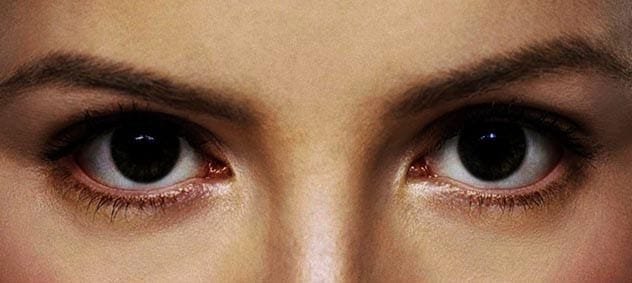
Scopophobia is the fear of being stared at by others. It’s a social phobia where individuals believe they are constantly being observed and evaluated.
It can develop in people with neurological conditions like epilepsy or Tourette’s syndrome, or those with physical disabilities that attract attention. Scopophobia is also a symptom of social anxiety disorder (SAD) and can be treated with medication and behavioral therapy.
Radiophobia
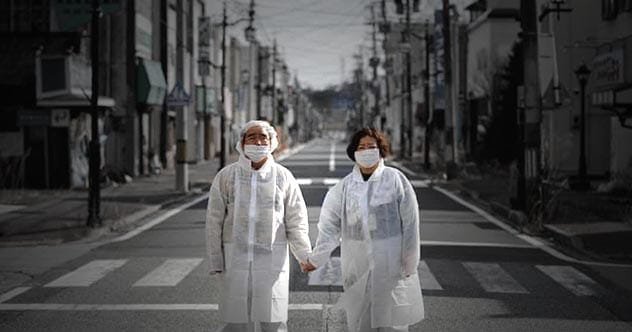
Radiophobia is the fear of ionizing radiation. While awareness of the negative effects of radiation is important, those with radiophobia avoid anything that might involve radiation, sometimes including necessary medical procedures.
This phobia was widespread after the Chernobyl incident and is linked to fears of nuclear weapons. Treatment involves medication and cognitive behavioral therapy (CBT), especially for those who refuse medical treatment due to their fear.
Kathisophobia
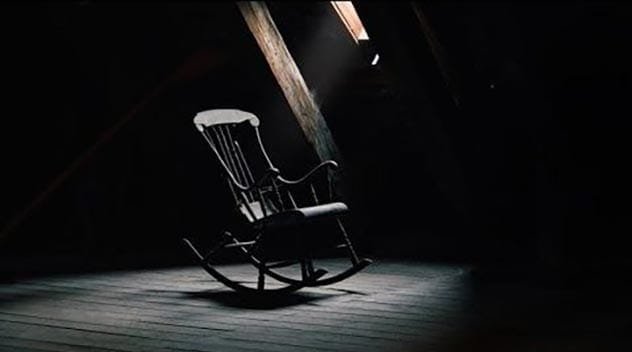
Kathisophobia is the fear of sitting down. This can severely impact one’s health, as it prevents normal daily activities. It may stem from a fear of being idle or still for too long (thaasophobia), but it focuses specifically on the act of sitting.
This phobia can develop from painful experiences with the lower body or physical disabilities. Treatment can include physical rehab and pain medication, in addition to standard phobia treatments.
Koumpounophobia
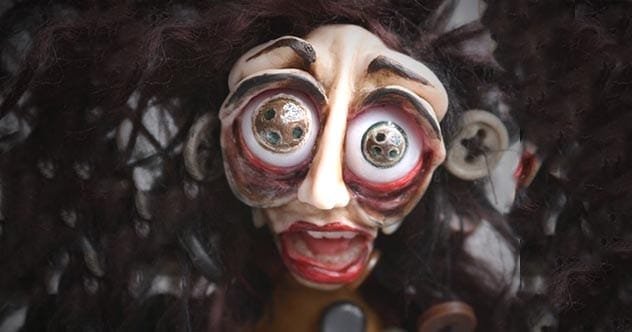
Koumpounophobia is the fear of buttons. It’s more common than you might think, affecting an estimated 1 in 75,000 people. The fear can be related to the texture, cleanliness, or even just the sight of buttons.
Steve Jobs was rumored to have koumpounophobia, influencing Apple’s button-free designs. Reactions can range from mild discomfort to severe anxiety, triggered by simply seeing or touching a button.
Papaphobia

Papaphobia is the fear of the Pope. This phobia is often connected to other fears, such as the fear of priests, nuns, organized religion (ecclesiaphobia), or sacred things (hagiophobia).
It’s linked to negative experiences with the Roman Catholic Church. Those with papaphobia may experience anxiety when the Pope is mentioned or severe reactions when exposed to images or the presence of the Pope.
Chromophobia
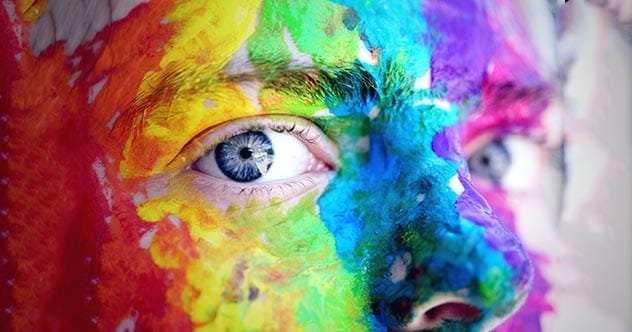
Chromophobia is the fear of colors. While life is filled with different shades, those with chromophobia may wish it were grayscale. This phobia can also manifest as fear of specific colors, like porphyrophobia (fear of purple) or erythrophobia (fear of red).
It usually develops due to a conditioned response to negative stimuli, genetic disorders, or traumatic injuries. People with chromophobia avoid situations with vivid colors. Exposure therapy can be beneficial, along with treatments for anxiety.
Barophobia
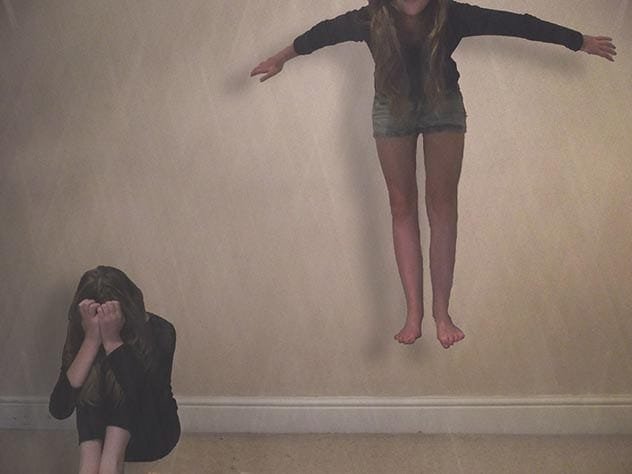
Barophobia is the fear of gravity. While gravity is essential for life on Earth, those with this phobia experience intense fear or existential dread related to it. It can be linked to the feeling of falling and is sometimes confused with spacephobia (fear of outer space).
The cause of barophobia is unknown, but it may be related to a genetic disposition or physical impairment that leads to frequent falls, or the belief that gravity caused a traumatic event. Treatment combines medication, cognitive behavioral therapy, and gradual exposure to gravitational experiences.
These unusual phobias showcase the wide range of irrational fears that can affect people. Understanding these conditions can help reduce stigma and encourage those affected to seek help.
Which of these phobias did you find most surprising? Leave your comment below!