The 1900s were a time of incredible innovation, birthing inventions that continue to shape our lives today. While pinpointing the exact creator and origin of some ideas can be tricky, the impact of these inventions is undeniable. Let’s dive into the top 10 amazing inventions of the 1900s that have become as commonplace as ancient innovations like paper and concrete.
10. Science Fiction Films

In 1902, Le Voyage dans la Lune (A Trip to the Moon) marked history as the first science fiction story ever shown on screen. Created by French director and stage magician Georges Melies, this silent film captivated audiences with its imaginative narrative. Charlie Chaplin called Melies an “alchemist of light,” while D.W. Griffiths credited him for everything. The film follows a group of astronomers on their journey to the Moon, drawing inspiration from Jules Verne’s From the Earth to the Moon and H.G. Wells’s The First Men in the Moon. Melies created over 500 short films and was inducted into the Science Fiction Hall of Fame in 2015.
9. Teddy Bears
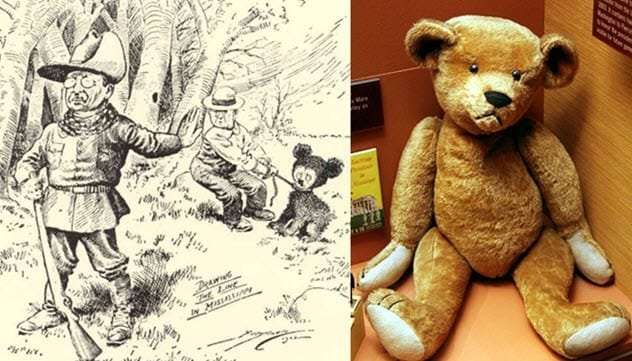
The year 1902 saw the birth of the Teddy Bear, thanks to Theodore “Teddy” Roosevelt’s compassionate act during a bear hunt in Mississippi. When Roosevelt refused to shoot a bear that had been cornered and tied to a tree, Clifford Berryman, a cartoonist for The Washington Post, immortalized the moment. Morris Michtom, a candy shop owner, was inspired to create a stuffed bear and named it after Roosevelt, who granted permission. The popularity of these bears led Michtom to found the Ideal Novelty and Toy Company in 1907.
8. Paper Clips
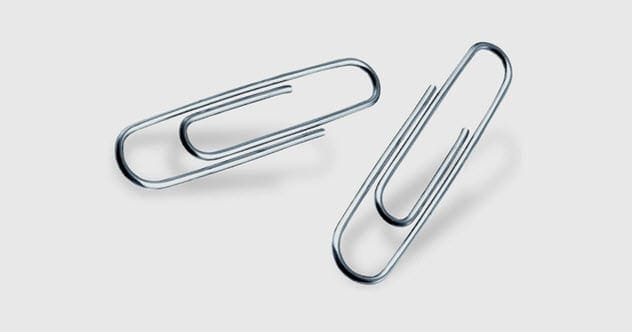
While the idea of fastening sheets of paper together dates back to the 13th century, it wasn’t until the late 1800s that Gem Manufacturing Ltd. in England designed the double oval shape we recognize today. Known as the “Gem” clip, this design was never patented but became the most commonly used. Johan Vaaler, often mistakenly credited, did receive a US patent in 1901 for a less effective design. In 1958, a survey found people using paper clips for everything from toothpicks to bra fasteners. To honor Vaaler, a giant paper clip was erected in Oslo in 1989, despite the Gem clip being the more prevalent design.
7. Mother’s Day
Mother’s Day was first celebrated in the US in 1908, thanks to the dedication of Anna Jarvis. She held a memorial service for her mother at St. Andrew’s Methodist Church in Grafton, West Virginia. Jarvis tirelessly campaigned to make Mother’s Day a public holiday, even forming a Mother’s Day Club during the Civil War to address the health issues of wounded soldiers. In 1914, President Woodrow Wilson declared the second Sunday in May as a national holiday dedicated to mothers. Traditional gifts like flowers and Simnel cake were common, with wildflowers often gathered from country lanes. Interestingly, a Google analysis from 2004 to 2015 revealed that popular gifts varied by state, ranging from roses to iPads and even bird feeders.
6. Cellophane
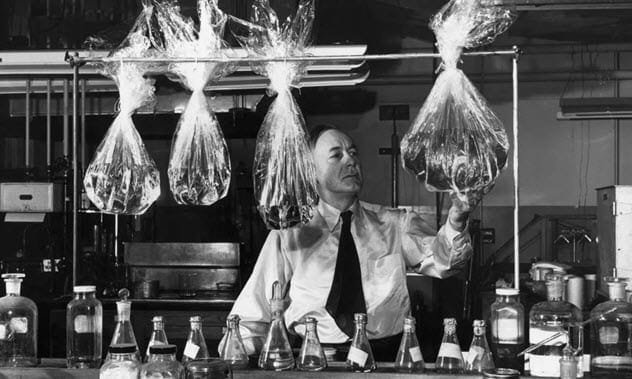
In 1900, Swiss chemist Jacques E. Brandenberger was inspired to create a waterproof material after witnessing a wine spill in a restaurant. He first attempted to spray a waterproof coating on cloth, but it proved too stiff and easily peeled off. Undeterred, he invented cellophane in 1908, combining the words cellulose and diaphane (“transparent”). By 1912, Brandenberger developed a machine for large-scale production, and in 1913, La Cellophane SA was established in France. The outbreak of World War I slowed progress, but by the time of his death in 1954, Brandenberger’s net worth was estimated at $10 million.
5. ‘Crayola’ Crayons

In 1903, cousins Edwin Binney and C. Harold Smith invented the first brand of children’s crayons, named “Crayola” from the words craie (“chalk”) and oleaginous (“oily”). They had previously created a wax crayon for marking crates, but it contained toxic carbon black, unsuitable for children. After producing slate pencils for schools from 1900, they created the first colored crayons for kids. The iconic Crayola collection with 64 colors and a built-in sharpener debuted in 1958 and remains popular today, with even larger sets now available featuring 120 colors.
4. Vacuum Cleaners
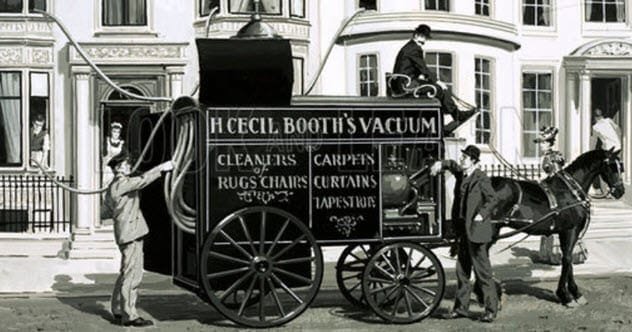
British engineer Hubert Cecil Booth revolutionized cleaning with his powered vacuum cleaner. Prior machines simply blew air to push debris away. Booth’s experiments involved sucking air through a handkerchief to see how much dust was collected, leading to his “Puffing Billy” design. Due to its large engine, the device was horse-drawn. In 1903, Booth founded the British Vacuum Cleaner Company, producing smaller but noisier vacuums that became popular among the upper class, including the British royal family.
3. Windshield Wipers

While the first steam-powered automobile was built in 1769, it wasn’t until 1905 that Mary Anderson in New York invented windshield wipers. Her design required manual activation via a lever. Though effective, others saw room for improvement, leading to various claims over the invention of the first automatic windshield wiper. Brothers William M. and Fred Folberth were the first Americans to develop automatic wipers, patented in 1921. Their vacuum-powered design used air from the car’s engine, causing the wiper speed to fluctuate. Electric wipers, as we know them today, weren’t invented until the 1930s.
2. Gumball Machines
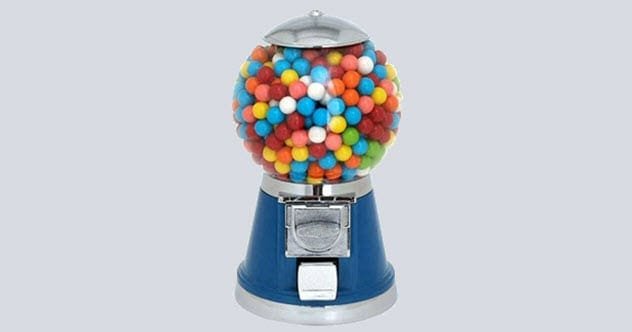
Vending machines were first introduced in the US in 1888 by the Thomas Adams Gum Company, famous for inventing chewing gum. These early machines, placed on New York subway platforms, dispensed original flavors like Tutti Frutti and Spearmint. These were quite primitive, with coins sometimes attached to string to retrieve them after the gum was dispensed. The clear machines filled with colorful gumballs appeared in 1907. The International Chewing Gum Association assures that gumballs remain “safe to chew” indefinitely, although their taste and texture may change over time.
1. Neon Signs
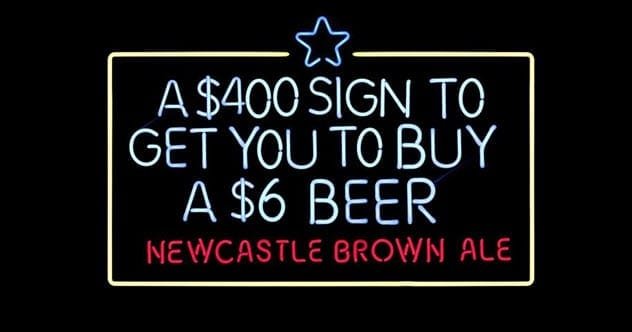
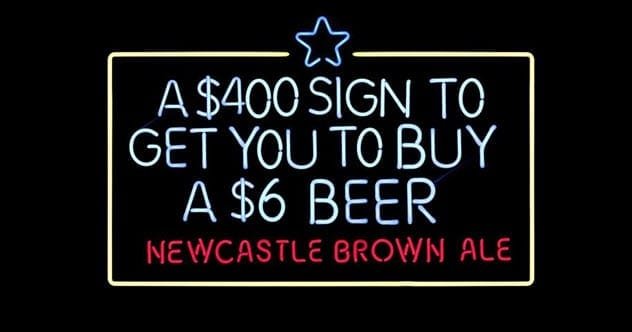
Neon gas, discovered in 1898 and named after the Greek word neos (“new”), was first used to create lamps by French engineer Georges Claude. In 1910, he displayed two long neon tubes in Paris. Progress was initially slow, but the tubes were eventually made thinner and more flexible, allowing them to be shaped into letters. Los Angeles was among the first cities in America to embrace neon signs. In 1923, an LA car dealership purchased two “Packard” signs for $24,000, attracting crowds so large that police had to manage the traffic.
These inventions revolutionized industries and everyday life, showcasing the ingenuity of the 1900s. From entertainment to household necessities, the impact of these creations is still felt today.
What’s your favorite invention from the 1900s? Leave your comment below!