We all know that big companies often use strange ingredients in their products. It’s hard to find anything with just one or two items on the label. Most lists are full of complicated chemical names we don’t understand. But what might really shock you is how many of these extras come from animals. Manufacturers use these animal by-products in almost everything you touch every day. Whether it’s for bleaching, preserving, coloring, or lubricating, animal parts are often involved. Let’s uncover ten common items that secretly contain animal by-products.
10 Beer with Fish Guts

Have you ever heard of isinglass? It’s a substance that looks like crystals and comes from the swim bladders of fish. This thin, collagen material might look like fish scales. You might be surprised, or even a bit grossed out, to learn it’s used in making beer and wine.
Brewers and winemakers use isinglass to clarify their drinks. It helps filter out tiny bits and pieces that would make the liquid cloudy. Basically, dried fish organs are used to remove yeast and protein clumps from your beverage. Many people first heard about isinglass in 2015 when Guinness announced they would stop using it, making their beer vegan-friendly. So, if you ever think your drink tastes a bit fishy, it might just be your imagination after reading this!
9 Fertilizer with Powdered Bones

After animals are processed for meat, slaughterhouses find uses for almost every leftover part. This approach is about getting the most from each animal, and bones are no exception. When ground into a powder, animal bones make an excellent fertilizer.
This ground bone, called bone meal, is very rich in phosphorus and calcium. If you add some nitrogen and potassium, it becomes a powerful plant food. It’s also a more natural option compared to many synthetic fertilizers. There’s a certain irony in using the bones of plant-eating animals to help new plants grow.
8 Sugar, Also with Powdered Bones

Bones have another surprising use: they help make cane sugar white. This isn’t bone meal, though. For sugar, bones are turned into something called bone char.
To make bone char, bones are burned in a special low-oxygen container until they become a black, porous material. This bone char acts like a filter, absorbing the color from raw sugar and leaving it brilliantly white. It also removes impurities, which is why it’s sometimes used to filter drinking water. Unsurprisingly, this dark black powder, also known as bone ash, is used as a black pigment in paints too.
7 Wooden Furniture with Bug Secretions

Shellac is a versatile natural substance used in countless products. It has many plastic-like qualities and can serve various purposes. It’s popular in woodworking as an effective primer, sealant, stain, and varnish. But where does it come from? Shellac is made by thousands of tiny insects that cluster on tree branches and secrete it from their bodies.
These are lac bugs, and their secretion is called lac. This lac is processed into sticklac, then seedlac, and finally shellac. Harvesting it is quite traditional: people place the bugs on a tree branch, wait for them to cover it with their goo, and then cut the branch. After purification, grinding, and washing, this insect product ends up on wooden furniture all over the world.
6 Bread with Hair and Feathers

Freshly baked bread doesn’t last very long. To extend its shelf life, large-scale bread producers use various preservatives and chemicals. One such ingredient is L-cysteine, an amino acid. While you can get L-cysteine from protein-rich foods, big companies need a cheaper, more abundant source for their millions of loaves.
Believe it or not, they often find it in animal hair and feathers, which are plentiful. So, there’s a good chance your bread, bagels, tortillas, and other grain products contain processed hair and feathers. Despite some alarming reports, it’s very unlikely to be human hair. Most L-cysteine comes from pig hair, with other livestock contributing the rest. The feathers usually come from chickens and turkeys raised for meat.
5 Plastic Bags with Cow Fat

Tallow is rendered animal fat, typically from cows, and it’s found in or on an amazing number of common household items. Tallow is mostly made of fats, making it a useful fuel and lubricant.
It can be used to make candles, biodiesel, and even jet fuel. As a lubricant, it’s practically everywhere. Some new paper currencies, like current Euros, are coated with tallow. This helps the bills separate easily, slide smoothly, and resist static. For similar reasons, tallow is often found on the surface of plastic bags, helping them open more easily (though it can still be tricky!).
4 Fireworks with That Same Cow Fat

The main fats in tallow, such as stearic acid, are also used in dozens of other household products. It’s surprising how often we encounter cow fat in our daily lives without realizing it.
One interesting, though less common, use for stearic acid is as a waxy coating that prevents oxidation (rusting or degradation). Because of this property, stearic acid is used inside fireworks. It coats and protects the various metal powders that create the spectacular explosions and vibrant colors we enjoy.
3 Perfume with Beaver Musk

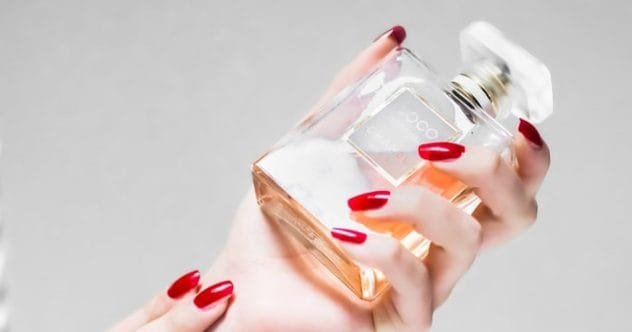
It’s true! Many high-end perfumes from brands like Chanel and Lancôme use a sticky, yellowish goo secreted by beavers. This substance, called castoreum, comes from an opening near the beaver’s tail. People have often mistaken it for urine or even beaver droppings, but it’s actually a musk – specifically, musk from a beaver’s rear end.
Castoreum is known for its leather-like scent, making it a popular ingredient in many leather-scented perfumes. Manufacturers also use it as a vanilla flavoring in food, though thankfully, over 99% of vanilla flavoring today comes from a compound called vanillin instead.
2 Condoms with Milk

Most condoms are made from latex, and these may contain casein, the main protein found in milk. According to latex manufacturers, casein is used as an ingredient in latex compounding and as a “viscosity modifier.” This means the protein helps the latex maintain its shape and resist tearing.
This fact became more widely known a few years ago, partly due to an online post associated with Gwyneth Paltrow’s company, Goop. While not entirely Goop’s fault, it caused a small stir among people who are lactose intolerant. If you’re one of them, don’t worry: while casein does make latex condoms non-vegan, it’s highly unlikely to cause an allergic reaction. You’re much more likely to react to the latex itself, if anything.
1 Everything Red with Crushed Bugs

Think about the red foods you eat. Some, like apples, tomatoes, and strawberries, are naturally red. But many others – most red drinks, candies, yogurts, ice creams, cakes, frostings, and dyes – are definitely not red in their natural state, or don’t even exist in nature. For many of these, there’s a high chance their red color comes from the powdered bodies of thousands of dead insects.
One of the most common red food colorings is carmine. It creates a deep, rich red and is made by crushing tiny insects called cochineals. Carmine is considered safer than many other red dyes and holds up well against heat and light. Because of this, it’s used almost everywhere – not just in food, but also in lipsticks, paints, and clothes. This means a significant part of the red world around you is built, in part, from the remains of billions of tiny bugs. It makes you wonder about the other colors, doesn’t it?
It’s quite eye-opening to realize how many everyday items contain ingredients derived from animals. From the beer we drink to the furniture in our homes and even the fireworks that light up the sky, animal by-products are more common than most of us imagine. While some of these uses are ingenious ways to utilize resources fully, others might make us think twice about the products we choose. Understanding what goes into the things we use daily can empower us to make more informed choices, whether for ethical, dietary, or simply curious reasons.
What surprised you the most on this list? Do you know of any other everyday items made with animal by-products? Leave your comment below and share your thoughts!