
We all love a good story, and the Bible is full of them! But what if the tales we know so well have another side? Ancient civilizations kept their own records. Sometimes, these writings paint a very different picture of famous biblical events and people. Get ready to explore some of these fascinating, and sometimes surprising, historical accounts!
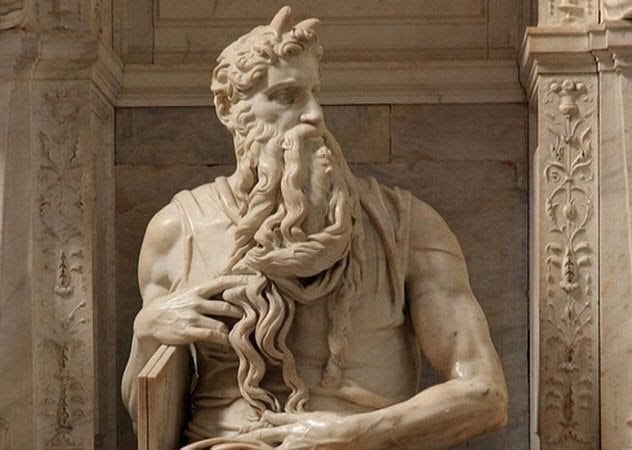
10. Was Moses an Egyptian Priest, According to Strabo?
The story of Moses leading the Israelites out of Egypt is iconic. We hear about plagues and the freeing of the Jewish people with God’s help. But what did others say?
The Greek historian Strabo, writing centuries later, had a different take. He believed Moses wasn’t even Jewish! According to Strabo, Moses was an Egyptian priest. This Moses didn’t like how things were run in Egypt. He thought God was in everything, not just in animal or human forms. This wasn’t a divine message, just his own deep thoughts.
In Strabo’s version, Moses didn’t chat with God or battle the pharaoh. He simply convinced many people that his ideas were right. They then moved to Jerusalem on their own, freely. After Moses passed away, Strabo wrote that Jerusalem’s new leaders became superstitious and harsh. They brought in “tyrannical” rules like kosher diets and circumcision. “Their beginning was good,” Strabo noted, “but they degenerated.”
9. Queen Esther’s Husband: The Persian King from ‘300’?
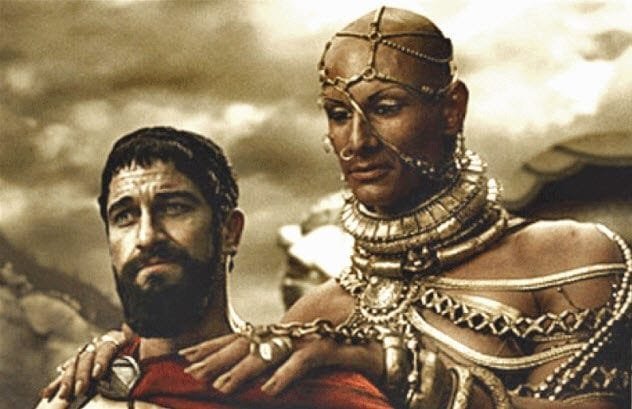
We often see the story of Esther as the Bible presents it: she married the king of Persia and, when the evil Haman plotted to destroy the Jews, she bravely persuaded the king to save her people.
But who was this king? He was a major historical figure! Esther’s husband was King Xerxes I. You might know him as the powerful antagonist from the movie 300. Yes, that Xerxes! He was the Persian king who invaded Sparta and Athens after they refused to pay tribute. His massive army was famously held off by 300 Spartans.
If the story of Esther is true, scholars think it likely happened while Xerxes was planning his invasion of Greece. This would mean Esther’s relative, Mordecai, could have been one of Xerxes’s advisers during that famous war.
8. The Moabite King’s View: Were Israelites ‘Oppressors’?
The Bible tells us that King Mesha of Moab rebelled against Israel. With God’s help and guidance from the prophet Elisha, the Israelites fought back, pushing the war into Moab. The story says Mesha sacrificed his son, and then the Israelites decided to turn back and leave Moab alone.
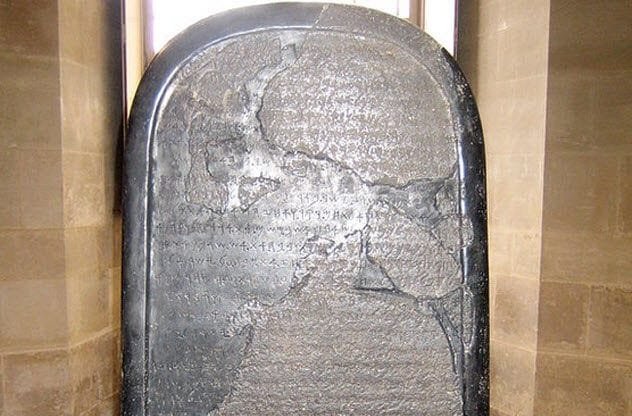
However, an artifact called the Mesha Stele, a stone inscribed by King Mesha himself, tells a very different story. According to Mesha, the Israelites were tyrants who “oppressed Moab many days.” He claimed that when he asked for his people’s freedom, Israel threatened to destroy Moab.
Mesha’s account says Israel attacked first, but he successfully fought them off. Then, King Mesha and his forces marched on Israel and reclaimed several cities they believed Israel had stolen from them long ago. In this version, the war didn’t end because Israel chose to go home; it ended because Israel simply lost.
7. King Hazael’s Claim: Did Israel Strike First?
The Bible gives a relatively brief mention of Hazael, the king of Aram. It states that Hazael conquered Israel because God’s anger “was kindled against Israel.” The text also says Hazael “oppressed Israel all the days of Jehoahaz.”
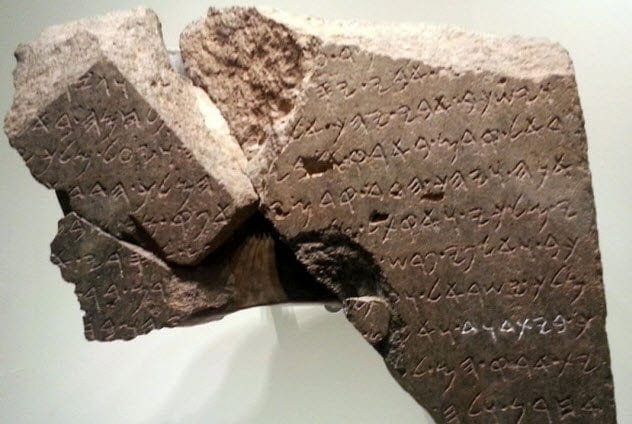
Interestingly, archaeologists have found a stone inscription, known as the Tel Dan Stele, believed to be from Hazael. Though the stone is broken and parts are missing, leading to some debate, a popular interpretation suggests Hazael tells his side. It seems Hazael might have invaded Israel as revenge for an earlier Israelite invasion of Aram during his father’s reign. He then claims to have executed the kings of Israel.
Hazael doesn’t shy away from his harsh actions, though. He boasts on the stone, “I set their town into ruins and their land into desolation.”
6. Manetho’s Account: Did Moses Conquer Egypt?
It seems every ancient culture near Israel had its own version of the Moses story, including Egypt. Like the Greeks, the Egyptian historian Manetho claimed Moses was originally an Egyptian priest from Heliopolis. Manetho even insisted Moses’s real name was Osarsiph, and he changed it when he joined the Jewish people.
Manetho’s story begins with Pharaoh Amenophis trying to rid Egypt of lepers, as he was told leprosy was a divine curse. He put 80,000 lepers to work in a quarry and assigned Moses to oversee them.
However, according to Manetho, a power-hungry Moses established his own laws, ruling over the lepers. He then allied with Jerusalem. With an army of lepers and Jews, this Moses invaded and conquered Egypt, allegedly committing terrible acts and “burning down their temples.” It took 13 years, Manetho says, for Amenophis to rebuild his army and finally chase Moses out of Egypt. This, according to Manetho, is how Moses ended up in Jerusalem.
5. Egyptian Celebrations: ‘Israel Is Laid Waste’?
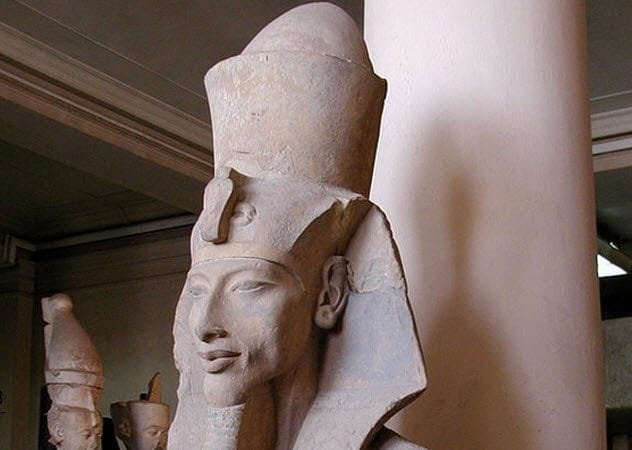
Archaeologists discovered a fascinating slab engraved by the Egyptian Pharaoh Merneptah. This was shortly after the reign of Ramses the Great. This carving, known as the Merneptah Stele, seems to talk about Israel.
The stele was created when Egypt’s power was being challenged by smaller nations revolting against its control. According to the inscription, Merneptah had crushed them all, laying them to ruin.
A chilling line on the slab reads: “Israel is laid waste, and his seed is not.” The exact meaning of “seed is not” is debated. Some scholars believe it means the Egyptians slaughtered the children of Israel to prevent future revolts. Others think it might just mean the Egyptians burned Israel’s crops. If “seed” does mean children, this inscription could be evidence that Egypt did, in fact, slaughter Israeli babies, similar to parts of the Exodus story.
4. Tacitus’s View: Was Moses an Atheist Leader?
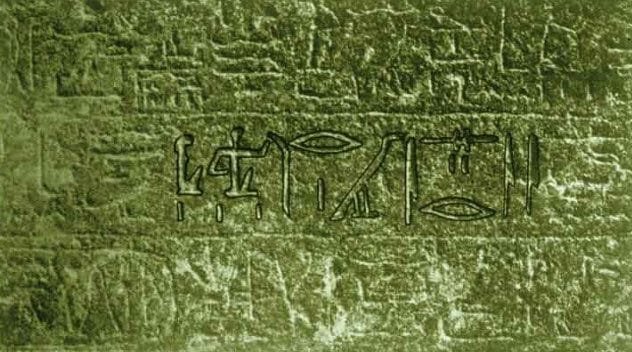
The Roman historian Tacitus seemed to struggle to piece together the true story of Moses, but he offered his perspective. Similar to some Egyptian accounts, Tacitus wrote that Egypt was hit by a disfiguring disease, and the pharaoh expelled the victims. In this version, however, the pharaoh sent them into the wilderness.
According to Tacitus, Moses was one of these diseased exiles, and he apparently had no love for God. Tacitus wrote that Moses “urged his companions not to wait passively for help from god or man, for both had deserted them.” In this account, Moses led his group to Canaan and conquered it. He then founded Judaism—not out of belief, Tacitus suggested, but as a clever political tool to keep his people unified and loyal.
3. The Jewish Talmud’s Take: Jesus a Sorcerer?
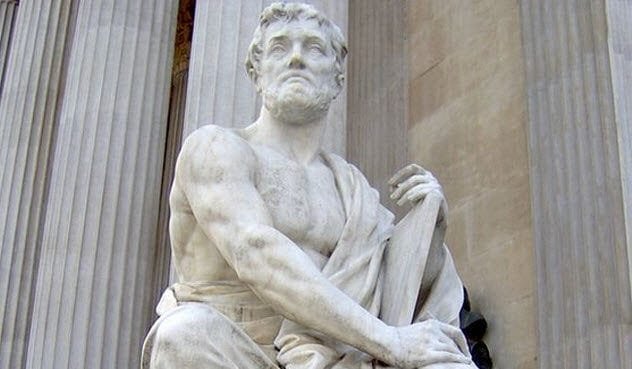
The Talmud, a central text of Rabbinic Judaism, also contains passages that some scholars connect to Jesus. It tells the story of a man called “Yeshu,” who is generally, though not universally, accepted by scholars as a reference to Jesus of the Christian faith.
According to these passages in the Talmud, before Yeshu was executed, a herald was sent out. This herald supposedly called him a sorcerer. “Anyone who can say anything in his favor,” the herald announced, “let him come forward and plead on his behalf!” The Talmudic text states that no one came forward to defend Yeshu.
One figure quoted in the Talmud, Ulla, asks rhetorically about Yeshu, “Do you suppose that he is one for whom a defense could be made?” Ulla then appears to condemn those who might defend Yeshu, saying that scriptures indicated a person like him should not be spared. “With Yeshu, however, it was different,” Ulla is quoted as saying, “for he was connected with royalty.”

2. Pliny the Younger: Confused About Christian Persecution?
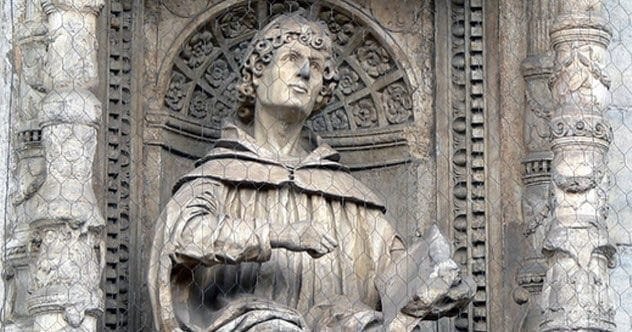
The biblical Book of Acts describes a period when early Christians faced terrible persecution from the Romans. We get a unique glimpse into the Roman mindset on this from a letter written by Pliny the Younger to Emperor Trajan.
In his letter, Pliny asked Trajan for advice on how to handle Christians because he wasn’t sure how far he should go with punishments. He called Christianity a “depraved, excessive superstition.” His policy, he explained, was to give accused Christians a chance to “curse Christ.” If they did, Pliny let them go. But if they refused, he had them executed.
Pliny seemed to think he was being somewhat merciful by allowing Christians to renounce their faith. “A multitude of people can be reformed if an opportunity for repentance is afforded,” he wrote. Emperor Trajan generally approved of Pliny’s approach, writing back, “They are not to be sought out; if they are denounced and proven guilty, they are to be punished.”
1. Roman Misconceptions: Were Christians Seen as Cannibals?
Many Romans really disliked the early Christians. The historian Tacitus called their religion “a most hideous superstition” and said they were charged with “hatred against mankind.” Even when he criticized Emperor Nero for being overly cruel to Christians, Tacitus still believed Christians were “criminals who deserved extreme and exemplary punishment.”
He wasn’t the only one. The historian Suetonius called Christianity a “mischievous superstition” and actually praised some emperors for keeping Christians in line.
But why all the intense dislike? One major reason seems to be a massive misunderstanding. When Romans heard that Christians “ate the body of Christ” during communion, they took it literally. Many Romans genuinely believed that Christian gatherings involved ritualistic cannibalism and even incestuous orgies. There’s no historical evidence that Christians were actually eating people, of course. But it’s a sobering thought: if Christianity had been wiped out, this distorted view might be what our history books would say about Christians today.

Isn’t it fascinating how different perspectives can shape our understanding of history? These ancient records don’t necessarily mean the Bible stories are ‘wrong,’ but they do show us that the people and events of the Bible were part of a larger, complex world with many voices and viewpoints.
What do you think about these alternative historical accounts? Do any of them surprise you? Leave your comment below and share your thoughts!