Since the dawn of mankind, we’ve strived to make life easier through invention and innovation. Many creations have been life-saving and made us more productive. However, some inventions reflect the darker side of humanity. Let’s explore ten such inventions, each with its own gruesome story.
Gas Resistant Strollers
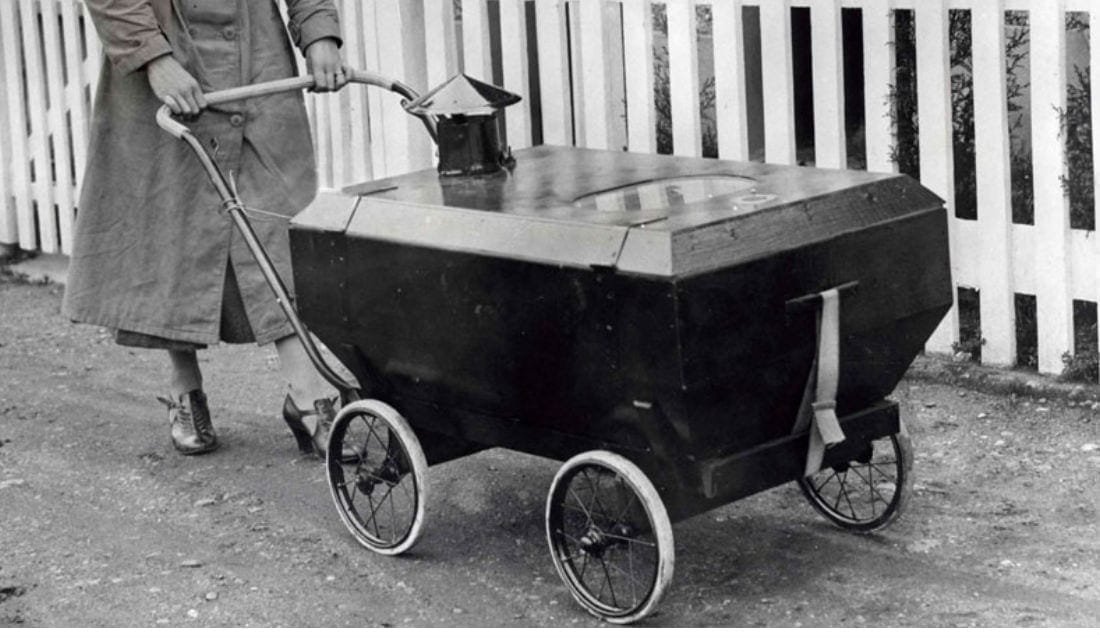
In late 1930s England, the “Gas-Proof Pram” emerged from the fear of mustard and chlorine gas attacks, a carryover from World War One and the threat of Nazi Germany. F.W. Mills in Kent produced these ungainly strollers to shield babies from deadly gas during air raids. Equipped with a glass-panel lid, a gas filter, and a motor horn bulb for ventilation, these devices were never widely produced or tested in battle. Fortunately, they never had to serve their intended purpose.
The Cotton Gin

Eli Whitney’s 1793 cotton gin revolutionized American industry by boosting cotton processing. This led to increased production of linens and textiles. However, it inadvertently caused an exponential rise in slavery because the demand for cotton laborers skyrocketed. From six slave states in 1790, the number more than doubled to fifteen by 1860. The cotton gin is considered a major catalyst for the American Civil War, the bloodiest conflict in U.S. history, claiming at least half a million lives.
Bat Bombs
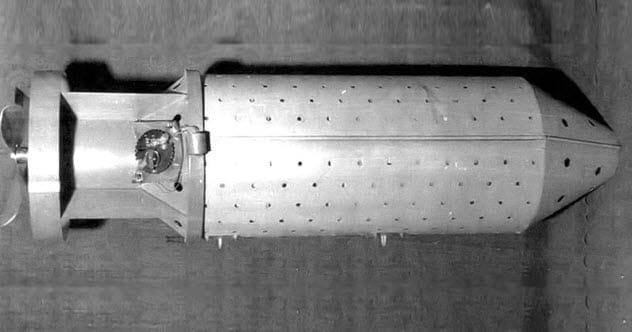
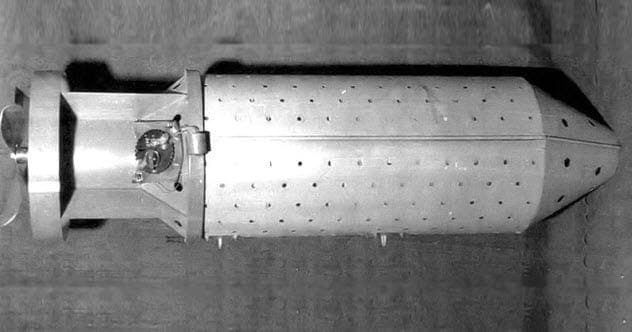
After the Pearl Harbor attack, Pennsylvania dentist Lytle S. Adams conceived an unusual plan: the Bat Bomb. Inspired by Carlsbad Caverns’ million bats, Adams proposed attaching incendiary bombs to bats and releasing them over Japanese cities. His plan reached military brass, leading to “Project X-Ray.” Despite its initial acceptance, the project faced numerous problems, including setting a hanger and a general’s car on fire. Ultimately, advancements in the Manhattan Project led to the bat bomb’s cancellation—a fortunate turn for bats and civilians alike.
Urban Baby Window Cages

In the early 20th century, before air conditioning, some parents in crowded cities used baby cages bolted to skyscraper windows. The idea came from a doctor’s suggestion to “air out their kids” for better health. These cages, essentially human chicken coops, posed obvious dangers, from bird droppings to falls. Unsurprisingly, they didn’t last long.
Hydrogen Blimps

Hydrogen blimps are considered one of history’s most dangerous inventions. Unlike other transportation systems with protected fuel tanks, hydrogen blimps were glorified balloons. The Hindenburg disaster dramatically illustrated the dangers. From 1908 to 1937, twenty-two airships crashed and burned, averaging nearly one crash per year. Today, blimps still exist but use the much safer helium for lift.
The Shoe-Fitting Fluoroscope

Introduced in the 1920s, the shoe-fitting fluoroscope used X-rays to provide a real-time view of feet inside shoes. While fascinating, these machines were incredibly dangerous. A 20-second viewing delivered about 13 roentgens of radiation. Salespersons could receive a year’s worth of radiation exposure in just two hours. Injuries included dermatitis, burns, and cancer. These machines were finally banned in 1970, but not before causing untold harm.
The Brazen Bull
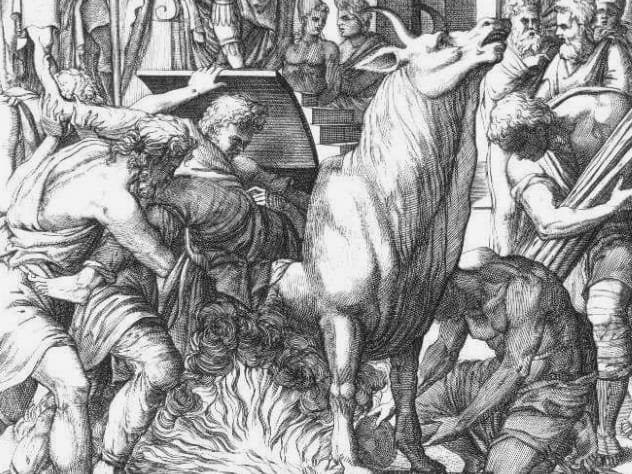
The Brazen Bull, invented by Perillos of Athens around 560 BC, was a torture device commissioned by Phalaris, the tyrant of Acragas. This hollow bronze statue was designed to roast people alive. Victims were placed inside, and a fire was lit underneath. The bull was crafted to distort screams into the sound of a bull. Phalaris himself met his end in the same device when his city was overthrown in 554 BC.
The Tricho System

The Tricho System, sold by Max Kaiser in 1914, used direct X-ray beams to remove unwanted hair. Women underwent an average of twenty treatments, leading to severe facial tissue damage, keratoses, ulcerations, and cancer. Despite growing evidence of harm, these systems remained in use for decades. The AMA collected numerous case studies, but it highlights how slowly dangerous technologies were removed from the market.
Agent Orange

Agent Orange, a herbicide developed to enhance soybean growth, was weaponized during the Vietnam War. From 1961 to 1971, the U.S. military sprayed over 20 million gallons of herbicides, including Agent Orange, to deforest the jungle and destroy crops. Containing dioxin, it caused severe health problems, including rashes, birth defects, neurological issues, and cancer. Vietnam reports that 400,000 people were killed or maimed, and 500,000 children were born with birth defects due to Agent Orange exposure.
The Radium Girls

In the early 20th century, watches with glowing dials became popular, but the women who painted these dials, known as the Radium Girls, faced deadly consequences. Instructed to wet their brushes with their lips to create a fine point, they ingested radium daily. Radium, mistaken for calcium by the body, caused bone necrosis and cancer. Despite being assured that the paint was harmless, these women suffered terribly, eventually leading to improved labor laws.
These inventions remind us that not all innovation is progress. Some creations reflect humanity’s capacity for destruction and negligence. Learning from these mistakes is crucial for a more responsible future.
What do you think about these inventions? Leave your comment below!