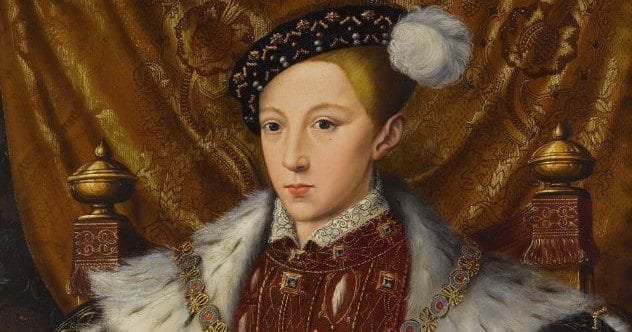
At the tender age of nine years and three months, Edward VI was crowned King of England in Westminster Abbey. He ruled for six years under the guidance of a Privy Council and Lord Protector, a zealous Protestant king intent on enforcing his father’s vision for the Church of England. He passed away at just fifteen years old and is often remembered as a frail and feeble king. While there’s some truth there, his life was marked by a series of unfortunate events.
Perhaps you’ve read The Prince and the Pauper. Mark Twain indeed wrote about the boy who became Edward VI, though no identical twin switch ever occurred, as far as historians know. Whether the real Edward resembled the book’s character is doubtful. However, the prince’s wealth and adoration were very real. Royalty has its perks, yet no life is without sadness, and Edward had his share of tragedies.
10. Ascended the Throne at Age Nine
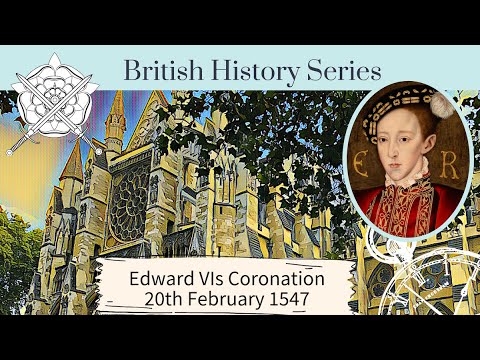
Edward was the youngest king to ascend the English throne and remains so. Reigning over an entire country would be daunting for any nine-year-old, but for Edward, it was undoubtedly too much. A council was established to aid in decision-making and handle matters on his behalf. As Henry VIII’s long-awaited male heir, he was pampered and groomed for the throne since birth. His father affectionately called him “this whole realm’s most precious jewel.”
The pressure mounted during the nine years leading up to Edward’s reign, a unique situation among the Tudors. Previous Tudor monarchs gained the throne by circumstance rather than birth. Henry VII usurped the crown in war, and others became monarchs due to sibling deaths. Edward was born heir to the throne and remained so until his succession.[1]
9. Prepared to Be a Copy of his Father
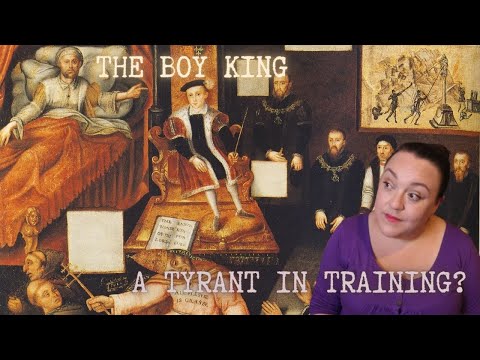
Due to his youth and his father’s strong political views, Edward VI became an extremely zealous disciple of his father’s philosophy. Henry ensured everything about Edward’s childhood—from studies to apartment decor to clothing—mirrored his own. Edward practiced the same sports Henry VIII excelled in and received a robust education in evangelical Protestantism.
As king, Edward’s passion and devotion to the Protestant cause led him to tirelessly promote the Church of England. He published The Common Book of Prayer and banned numerous traditional Catholic principles.[2]
8. His Father’s Will Left Room for Manipulation
Henry VIII knew a boy king couldn’t rule alone. Instead of appointing a single regent, he created a council of sixteen men in his will. Some suggest this will was heavily altered, including a forged signature, to remove religiously zealous members. Two clauses granted generous rights to the will’s executors, including honoring “unfulfilled gifts.”
The sixteen men appointed to Edward’s council allowed for structural changes, leading to Edward Seymour’s rise as the king’s “protector.” Seymour, Edward’s maternal uncle, was later removed and executed for his manipulations.[3]
7. His Mother Dies When He Was Two Weeks Old
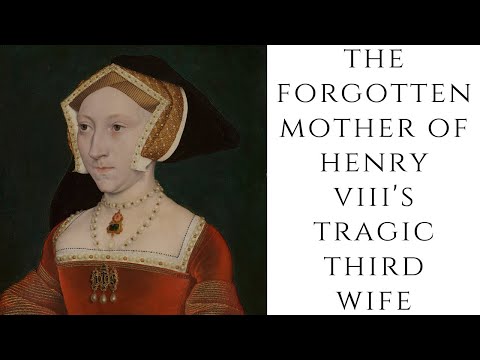
Edward’s mother, Jane Seymour, Henry VIII’s third wife, died twelve days after his birth. Initially recovering well, she signed announcement letters and hosted guests at Edward’s christening. Doctors were surprised when she weakened four days later. Despite a brief recovery, her health deteriorated until her death on October 24, 1537.
The cause of Jane Seymour’s death remains unclear, as do Edward’s feelings about losing his mother. Considered Henry VIII’s favorite wife for providing a male heir, Edward likely held a great fondness for her, influenced by his father’s feelings.[4]
6. Edward Had a Fierce and Terrifying Temper

Edward was severely spoiled, receiving constant gifts, rich foods, and doting attention. His father gifted him a troupe of minstrels solely for entertainment. He lacked nothing. When he didn’t get his way, his rage could be violent. One account claims he tore a living falcon into pieces.
Edward kept a diary, revealing his innermost thoughts. One entry noted, “The Duke of Somerset had his head cut off upon Tower Hill between eight and nine o’clock in the morning,” with little emotion.
Edward VI’s diary revealed a cold, unfeeling boy. Had he lived to fully reign, he might have become a troubling king. Thankfully, that’s only speculation.[5]
5. His Relationship with His Sisters Was Complicated
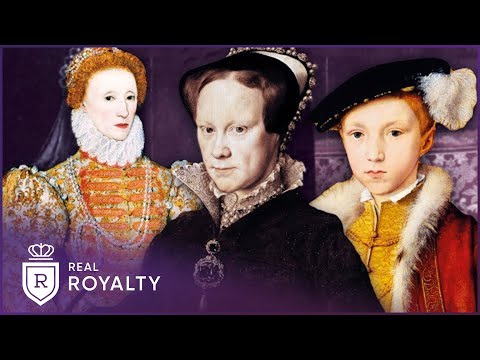
Edward VI had two sisters who became queens. Mary, twenty-one years older, loved Edward and acted maternally. Around age nine, he called her his favorite. Elizabeth, four years older, shared a childhood bond. Upon their father’s death, Elizabeth and Edward cried together.
This tenderness faded when Edward became king. He sought a “kingly” relationship rather than a brotherly one. Mary’s staunch Catholicism led to arguments, prompting Edward to remove her from the succession. To do so, he also had to declare Elizabeth illegitimate, leading to the succession crisis of 1553 and the death of Edward’s designated heir, Lady Jane Grey.[6]
4. Edward Had Two Power-Tripping Protectors
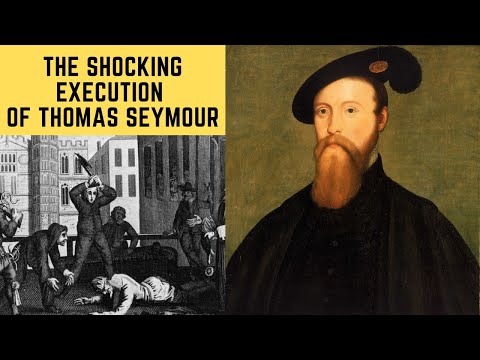
Following the establishment of Edward’s regency council, the Duke of Somerset (Edward Seymour) rose to prominence as Lord Protector. Seymour, Edward VI’s uncle, advocated extreme reforms, breaking from Catholic tradition. His radical moves led to rebellions, and his failure to stop them led to his downfall.
John Dudley (later the Duke of Northumberland) replaced Seymour as Lord Protector, considered even worse. Dudley arranged for a sickly Edward to name Lady Jane Grey heir and married his son to Jane, hoping to control England’s first Queen Regent.[7]
3. Edward’s Terrible Illness and Death
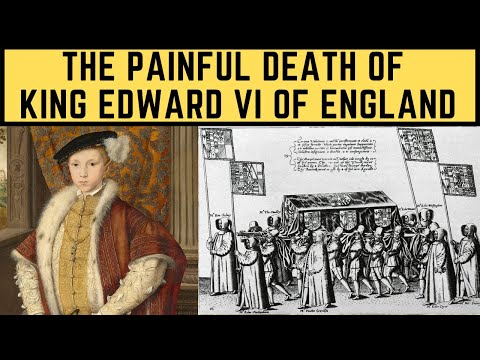
In spring 1553, Edward contracted measles. After recovering, his weakened immunity led to tuberculosis. By May, he was extremely ill, and the Duke of Northumberland moved to secure his position. On July 1, 1553, Edward made his last public appearance, appearing thin and weak. He whispered, “I am glad to die,” and passed away on July 6. An autopsy revealed lung disease.
Despite his illness, Edward fought to remain an effective ruler. His weakness and Northumberland’s manipulations set the stage for a catastrophic succession crisis.[8]
2. His Father’s Will Complicated Edward’s Own Last Wishes
The Succession Act of 1544 allowed Henry VIII to detail his heirs, including his daughters Mary and Elizabeth, despite declaring them illegitimate. His will named Edward, then Mary, then Elizabeth, followed by other potential heirs.
As Edward neared death and Mary was set to succeed him, he and his counselors feared a Catholic monarch would undo Protestant reforms. Edward removed his sisters from the succession in his will, naming his cousin Lady Jane Grey heir, triggering a succession crisis.
In July 1553, Lady Jane was named Queen, but so was Mary. The conflicting wills of two dead kings led to Mary claiming legitimacy from her father’s will, and Jane from her cousin’s. Henry’s will, Mary’s public support, and military power ultimately put her on the throne, and Jane was executed.[9]
1. England’s Return to Catholicism (Temporarily)

Two weeks after Edward VI’s death, Mary Tudor became Mary I and began returning England to Catholicism. Remembered as “Bloody Mary,” she killed fewer people than Henry VIII.
Edward would have been devastated his Protestant efforts failed. However, this reversal was temporary. Six years later, Elizabeth became Queen, and England switched again. The Act of Settlement in 1701 decreed only Protestants could claim the English and Irish crowns.[10]
Edward VI’s short life was filled with challenges, from ascending the throne at a young age to dealing with religious conflicts and power struggles. His reign, though brief, left a lasting impact on England’s history.
What do you think about Edward VI’s reign? Leave your comments below!