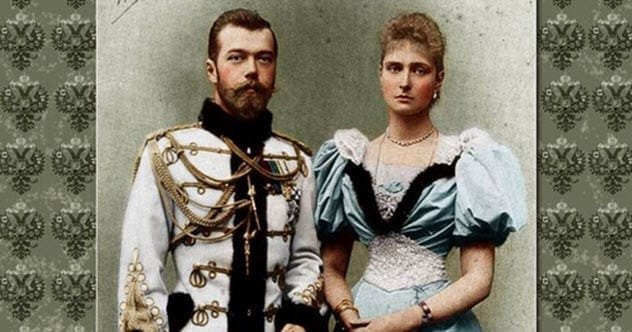
The idea of facing the end of life alongside your partner is a poignant one. For many, the thought of navigating life’s journey without their loved one is unimaginable. Throughout history, there have been countless instances of people choosing to end their lives rather than endure loneliness. In the following ten cases, these couples were bound by fate, facing their final moments together, whether by choice or circumstance.
Julius and Ethel Rosenberg

Julius and Ethel Rosenberg were an American couple convicted of espionage for the Soviet Union during World War II. Julius, an Army Signal Corps engineer, provided sensitive information about the development of the nuclear bomb to the Soviets. In 1951, both were found guilty of conspiracy to commit espionage and sentenced to death.
Their execution in the electric chair on June 19, 1953, remains controversial. Julius was executed first, followed by Ethel. The decision to execute Ethel was particularly contentious, with many believing her involvement was minimal. While Julius’s guilt has since been confirmed, the extent of Ethel’s involvement is still debated.
Dennis and Merna Koula
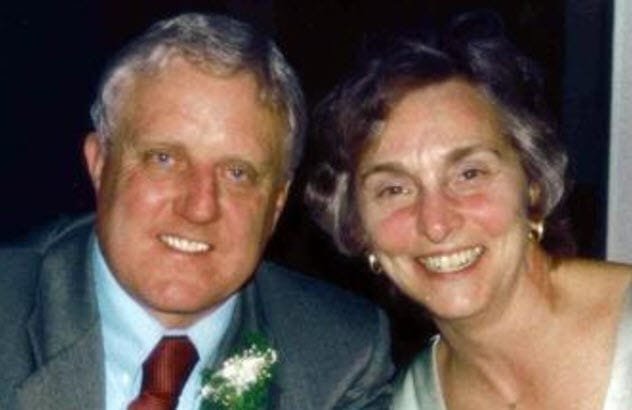
Dennis and Merna Koula were a retired couple living in La Crosse, Wisconsin. On May 24, 2010, their son, Eric, discovered them murdered in their home. Dennis was found near the entrance, and Merna was in the computer room. The crime scene appeared undisturbed, puzzling investigators.
Days later, Eric received a note saying, “Fixed you.” Suspicion soon fell on Eric, who was deeply in debt from unsuccessful day trading. He had murdered his parents for their inheritance. In August 2012, Eric Koula was sentenced to two life sentences for the murders, though he maintains his innocence.
Nikolai II Alexandrovich Romanov and Alexandra Feodorovna
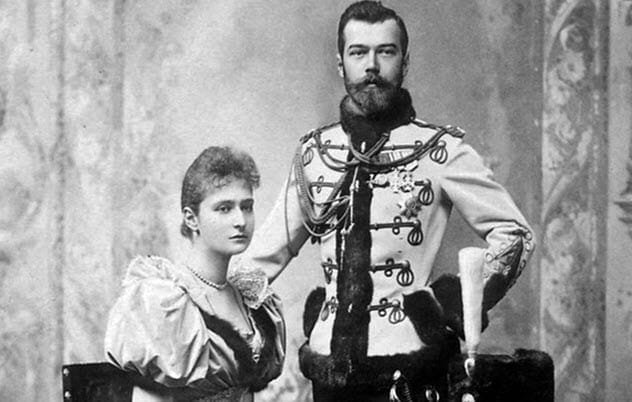
Nikolai II Alexandrovich Romanov, also known as “Nicholas the Bloody,” and Alexandra Feodorovna (Alix of Hesse) were connected through their noble families. Nicholas II’s reign saw Russia decline from a major power to an economic and military disaster. By 1917, public opinion had turned against him due to the country’s dire conditions.
On July 17, 1918, the family was taken to the basement of a government house in Yekaterinburg, where they were being held. Communist soldiers executed Nicholas, Alexandra, their five children, and four loyal employees. The bodies were hastily buried in an unmarked location, discovered only in 1979.
Ethan Nichols and Carissa Horton

In 2011, Ethan Nichols, 21, and Carissa Horton, 18, met in Tulsa, Oklahoma. They quickly formed a strong bond. One evening, while walking through Hicks Park, they were robbed and then fatally shot execution-style.
Darren Price, a local resident, expressed shock at the murder during a news interview. Police found Nichols’s stolen car at an apartment complex, where Price and Jerard Davis were arrested after a car chase. Davis pleaded guilty to the murders, and Price was convicted at trial. Both received life sentences.
Alexander Obrenovic and Draga Masin
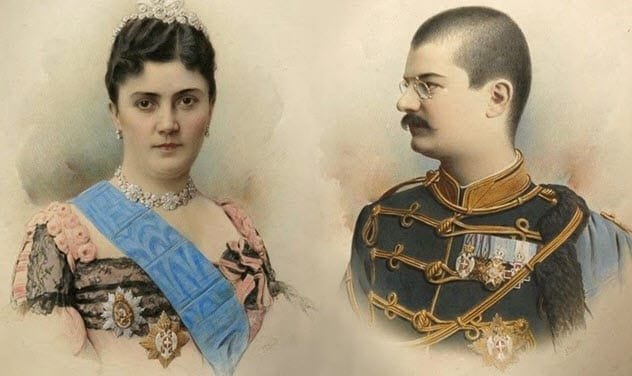
King Alexander I (Alexander Obrenovic) ruled Serbia from 1889 until he and his wife, Queen Draga, were assassinated in 1903. Alexander’s marriage to Draga Masin, a widow ten years his senior, was unpopular, especially with his parents.
Exiled Serbian prince Peter Karageorgevich plotted to overthrow Alexander. On June 10, 1903, army officers stormed the palace, found Alexander and Draga hiding, and murdered them. Their bodies were disemboweled and thrown from a second-floor window, later buried in a crypt in Belgrade.
Siddiqa and Khayyam

In 2010, Siddiqa, 19, and Khayyam, 25, were arrested by the Taliban in Afghanistan for adultery. They were brought to an open area and stoned to death in front of their community.
Siddiqa had been sold into marriage but ran away to marry Khayyam. The local community initially sought a peaceful resolution, but the Taliban intervened, leading to the couple’s brutal public execution in the name of Islamic law.
Nicolae and Elena Ceausescu
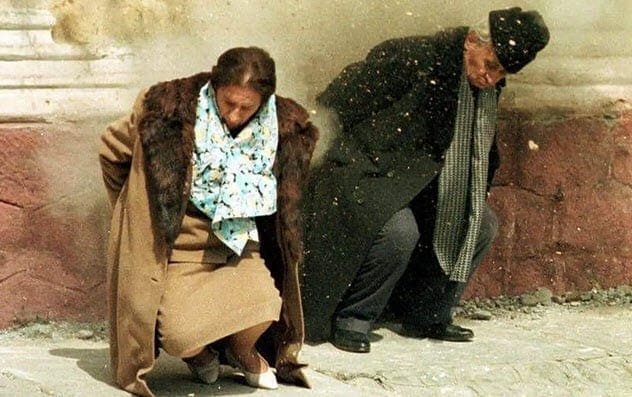
Nicolae and Elena Ceausescu ruled Romania from 1967 to 1989. Despite initial popularity, their regime became known for economic hardship and lavish lifestyles. Elena was particularly extravagant, collecting furs, couture gowns, and expensive shoes.
In 1989, a revolt led to their arrest. On Christmas Day, they were convicted in a show trial and immediately executed by a firing squad. The execution marked the end of communism in Romania, and they were buried on opposite sides of a path in a Bucharest cemetery.
The Sumter County Does

On August 9, 1976, a trucker discovered the bodies of a young couple in Sumter County, South Carolina. Both had been shot multiple times. The victims had no identification, but they wore expensive jewelry.
Despite clues like a Bulova Accutron watch and a ring with the initials “JPF,” the couple’s identities remain unknown. The case is still unsolved, and the Sumter County Does remain a mystery.
Adolf Hitler and Eva Braun
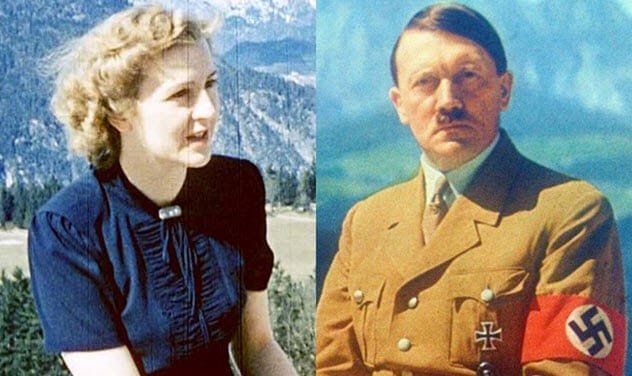
Eva Braun, a photographer, became close to Adolf Hitler and part of his inner circle. After years of loyalty, she married Hitler in his bunker in Berlin during the final days of World War II.
On April 30, 1945, they committed suicide together to avoid capture. Hitler shot himself and bit into a cyanide capsule, while Braun also ingested cyanide. Their bodies were burned to prevent them from falling into Soviet hands.
Joseph and Magda Goebbels
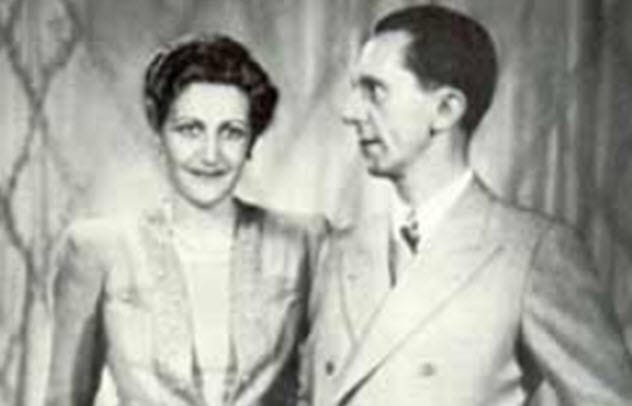
Joseph Goebbels, Hitler’s propaganda minister, and his wife, Magda, took their own lives and the lives of their six children in the Fuhrerbunker. Magda had become critical of Hitler but remained committed to her husband’s beliefs.
On May 1, 1945, after Hitler’s death, the Goebbels killed their children, reportedly by administering morphine and then cyanide. Afterward, Joseph and Magda killed themselves in the garden of the chancellery, marking a tragic end to their family.
Conclusion
These couples, bound by love, loyalty, or circumstance, met their fates together. Their stories range from tragic murders to controversial suicides, each leaving a lasting impact on history and raising profound questions about love, commitment, and the human condition.