In today’s interconnected world, disconnecting from the digital and societal grid might seem like a distant dream. The constant stream of information and targeted advertising can feel inescapable. But for those yearning for a simpler, more self-sufficient existence, going off-grid is still possible. It requires careful planning and the right resources. This list outlines ten essential items for anyone seriously considering a life beyond the reach of Big Brother.
1. Land To Call Your Own
The cornerstone of off-grid living is having a place to call home. With most land already claimed, securing your own property is crucial unless you plan to be a squatter.
Look for undeveloped land in a region with a stable climate. Before settling, research local laws regarding land management and building regulations. Opt for land zoned for agricultural use to enable you to grow your own food and minimize taxes and government intervention.
Ideally, the land should be undeveloped, have ample sunlight, moderate wind, and a reliable water source. These elements are vital for establishing a sustainable and independent lifestyle.

2. Shelter To Keep The Elements & Wild Animals At Bay
Shelter is a fundamental necessity. Humans aren’t naturally equipped to withstand harsh weather conditions. Protection from temperature extremes and sun exposure is essential for survival.
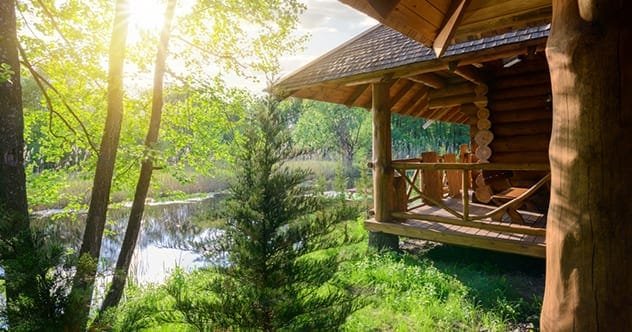
Consider various factors when building a shelter. Initially, a temporary solution like a tent might suffice, but a permanent structure is necessary for long-term living. Your shelter should provide security, protection from the elements, and a degree of comfort. It should also be located near a water source on your land.
Beyond traditional log cabins, options include converting shipping containers, purchasing prefabricated houses, or utilizing recreational vehicles with modifications. Your choice of shelter depends on your resources and preferences.
3. Power To Make Life Easier
While completely abandoning electricity simplifies off-grid living, many find it hard to live without it. Electricity makes cooking easier and helps regulate home temperature.
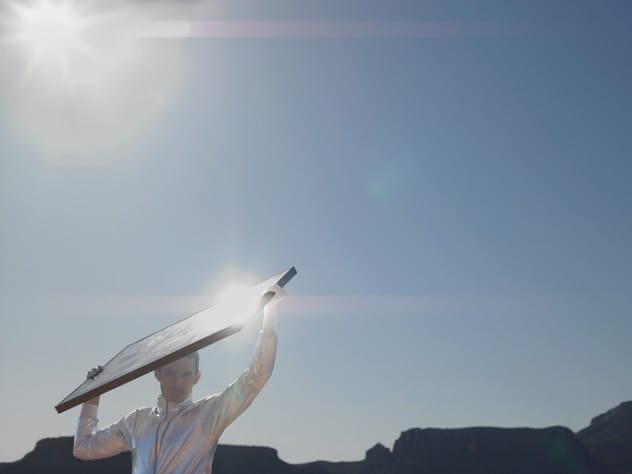
If you choose to use electricity, aim to generate around 850-900 kWh per month. Several companies offer solutions for generating and storing energy. Small solar panels can be installed around your shelter, though they require maintenance. Wind turbines offer another viable option.
A hydro-generator can provide continuous power if you have access to a steady water flow. Unlike wind and solar, hydro-energy offers uninterrupted power generation, making it a reliable choice for off-grid electricity.
4. Water To Drink And Clean Yourself With
Having a local water source is essential, but access alone doesn’t guarantee a safe drinking supply. Pollution and contamination can make untreated water dangerous to consume.
Avoid drinking directly from lakes and rivers to prevent water-borne diseases caused by viruses and bacteria. Processing and purifying water from your environment is critical and boiling water is an option but invest in a water purification system. While these systems can be expensive to maintain, they offer long-term safety and convenience.
Water purification methods include bio-filters, UV purification, ceramic filters, bleach, distillation, and boiling. Regular water testing is crucial to ensure your water is safe for consumption.

5. Food, Livestock, & Agriculture
Sustaining yourself with food for a camping trip differs greatly from maintaining a life off the grid. True self-sufficiency requires producing your own food.
Learn the basics of human nutritional needs and plant crops that provide essential vitamins for a healthy lifestyle. Master food preservation techniques for the winter months. Incorporate protein into your diet through hunting and fishing.
Raising livestock, such as chickens for eggs, cows for dairy, and goats, can significantly enhance your self-sufficiency. Developing the skills to grow food and care for animals is key to a thriving off-grid existence.

6. A Place To Poo
In conventional living, waste disposal is often an afterthought. Off-grid, you must handle your waste independently. Several options are available.
Digging a latrine or outhouse is a simple solution, but it requires careful consideration of the local water table to avoid contamination. Composting human waste for fertilizer is another eco-friendly option which will make growing food easier. Septic systems, whether traditional or portable, offer alternatives but may keep you partially connected to the grid.
7. Tools Of All Kinds To Build, Repair, & Construct
A well-stocked toolbox is essential for off-grid living. Tools enable you to solve problems and maintain your self-sufficient lifestyle. Gather a comprehensive range of tools and materials.
Stock up on everything from nails and screws to pipes and wires as well as some basic tools such as a hatchet, shovel, scissors, wire cutters, drill, drill bits, hammer, an assortment of nails, handsaws, a post hole digger, machete, voltmeter, plow, or tiller, and some wrenches and basic medical supplies.
If your land has trees, acquire timber handling equipment for firewood or building planks. Basic medical supplies and the knowledge to use them are also crucial for handling emergencies.

8. Guns & Ammo Make Hard Living Much Easier
Weapons are essential for survival off the grid. While bows and crossbows are viable options, firearms offer superior hunting and protection capabilities.
A shotgun is ideal for hunting birds and defending against potential threats. A rifle is best suited for hunting larger game like deer and wild boar. Ammunition and cleaning kits are crucial so think about recycling and manufacturing your own ammo to ensure self-sufficiency.

9. Entertainment To Keep Cabin Fever From Crushing Your Spirit
While practical needs are obvious, entertainment is often overlooked. Separating from society means limited access to online content, streaming services, and social media. Entertainment becomes vital for preventing cabin fever, especially when living in isolation.
Even with family and friends, individual escapes are necessary. Bring toys, board games, and card games. If you generate your own power, consider a TV and a movie collection. Books are always a great alternative so keep something to keep you entertained.

10. Books & Reference Materials Are A Vital Necessity
While books for leisure are enjoyable, reference materials are essential for off-grid living. Without internet access, you won’t be able to search for how-to guides or solutions to problems.
Stock up on books detailing crop cultivation, game hunting and cleaning, carpentry, maintenance, fishing, and healthcare. Reference materials are invaluable when questions arise. Keep instruction booklets for equipment and ensure you have enough reference materials to address any situation.

Embarking on an off-grid adventure requires significant preparation and the right resources. By securing land, shelter, power, water, food, waste management, tools, weapons, entertainment, and reference materials, you’ll be well-equipped to create a self-sufficient and fulfilling life, away from the constraints of modern society.
What are your thoughts on off-grid living? Leave your comments below!