America’s National Parks are often called one of its greatest ideas. Yellowstone became the world’s first in 1872, a vast wilderness of over 2.2 million acres. President Theodore Roosevelt expanded on this vision, adding more parks and monuments. Today, the U.S. boasts 63 national parks, each a treasure for visitors. But what about the other stunning natural wonders that haven’t yet received this top-tier protection? Many places across the country are equally deserving. Let’s explore ten remarkable sites, particularly in states yearning for their own National Park, that are strong contenders for this prestigious status.
10 Mobile-Tensaw Delta, Alabama

Often called “America’s Amazon,” the Mobile-Tensaw Delta in Alabama is a place of incredible biodiversity that often flies under the radar. As the second-largest delta in the United States, after the Mississippi, it’s a haven for wildlife. It boasts one of the densest populations of turtle species globally, and scientists believe many more unique plants and animals are still waiting to be discovered within its rich ecosystems.
Beyond its natural beauty, the delta is steeped in history. The vast swampland holds remnants of the past, including the site of Fort Blakely, where the last major battle of the Civil War was fought even after Lee’s surrender. It also features one of the largest Native American mounds found on the Gulf Coast. Despite a push in 2016, efforts to elevate this area to National Park status have unfortunately stalled, but its ecological and historical significance remains undeniable.
9 Smoky Hills, Kansas

Kansas might bring flat prairies to mind for many, but the state also features dramatic canyons, flowing rivers, and vital streams. The Smoky Hills region, located in north-central Kansas, is a testament to this geological diversity. Formed way back in the Cretaceous Period, this area showcases rugged canyons and waterways carved from sandstone, limestone, and chalk.
This rich geological past has resulted in some truly unusual rock formations, like the famous Mushroom Rock near Kanopolis State Park. The rolling hills, striking canyons, and precious wetlands of the Smoky Hills are often overlooked when people think of Kansas. However, if the state were to gain a National Park, this unique and historically layered landscape would surely be a prime candidate.
8 Natchez Trace, Mississippi and Tennessee

The Natchez Trace Parkway, managed by the National Park Service, is a scenic 444-mile route that winds through Mississippi and extends north into Tennessee. While currently designated a “parkway,” this historic corridor and its surrounding forests have all the makings of a full-fledged National Park. Visitors can drive, bike, or hike along this path, which follows a trail used for centuries by Native Americans and later by early American settlers.
President Thomas Jefferson recognized its importance, widening the trail to connect Natchez, Mississippi, with Nashville, Tennessee, to encourage westward expansion. The original trail even marks the grave of Meriwether Lewis, of the famed Lewis and Clark Expedition. Given its historical significance and natural beauty, Mississippi could easily make a strong case for upgrading the Natchez Trace to National Park status.
7 The Adirondacks, New York

Nestled in upstate New York, the Adirondack region is a vast expanse, covering over 30,000 square miles of rivers and streams. While the park is currently administered by New York State, many might not realize its sheer scale: the Adirondack Park is larger than Yellowstone, Glacier, the Everglades, and Grand Canyon National Parks combined! This truly makes it a giant among protected lands.
About half the land within the park is state-owned, while the rest is private. However, all land, including private holdings, must follow strict development rules designed to preserve the park’s integrity. With nearly 2,000 miles of hiking trails, pristine rivers, and deep forests, it’s an outdoor adventurer’s paradise. The region also features charming small towns, farmland, and numerous historic sites, including old forts, museums, and the Lake Placid Olympic Center, offering a rich blend of nature and culture.
6 The Apostle Islands, Wisconsin

Off the Bayfield Peninsula in Lake Superior lie 22 islands, 21 of which form the Apostle Islands National Lakeshore in Wisconsin. These islands stretch over 720 square miles, offering stunning sea caves to explore, miles of coastline perfect for kayaking, and 108 square miles of forests and land for hiking enthusiasts. It’s a true jewel of the Great Lakes.
The shores of these islands mark the northwestern edge of the hardwood-white pine forest. They provide critical habitat for bald eagles, black bears, the endangered American marten, as well as diverse aquatic life and migratory birds. No matter the season, the Apostle Islands offer breathtaking views and a chance to experience one of the most pristine areas of Lake Superior, making them a strong contender for enhanced protection.
5 Nebraska National Forests and Grasslands

The Nebraska National Forests and Grasslands comprise a collection of two national forests and three national grasslands, beginning in Nebraska and extending into South Dakota. This vast area holds a unique distinction: one section of its forest, covering about 90,000 acres, is the largest hand-planted forest in the world. Yes, you read that right – much of this sprawling forest was planted by people!
It all started in 1890 when a University of Nebraska professor suggested planting trees to combat soil erosion, create wildlife sanctuaries, and provide lumber for local communities. The federal government agreed, and an experimental plot established a year later has grown into the magnificent forest we see today. While not entirely “natural” in its origin, elevating this human-assisted wilderness to National Park status could set a powerful precedent for restoration and conservation efforts in the future.
4 Hammersley Wild Area, Pennsylvania

Covering nearly 30,000 acres, the Hammersley Wild Area in Pennsylvania is one of the most untouched forested regions in the state, if not the absolute most pristine. The area is so remote and wild that official brochures warn hikers to carry topographic maps, as getting lost here could have “serious consequences.” This speaks volumes about its untamed character.
The region is home to old-growth and hardwood forests, but what truly sets it apart is what’s missing: roads. There are no roads within Hammersley, meaning that whether you’re camping or hiking, the only sounds you’ll likely hear are the pure, unfiltered sounds of the wilderness. This deep sense of solitude and natural immersion makes it a special candidate for greater recognition.
3 Kisatchie National Forest, Louisiana

Located in north-central Louisiana, Kisatchie National Forest spans over 600,000 acres and preserves precious old-growth pine forests – the kind that once blanketed much of the southeastern United States. Its national significance was even recognized when it was featured on the America the Beautiful quarter series, which highlighted various national parks and other vital natural resources.
The forest is a year-round home to over 100 bird species, Louisiana black bears, and even groups of escaped wild horses. Nearly logged to oblivion in the early twentieth century, the area is named after a local tribe of Kichai Native Americans, who called themselves “Kitsatchie.” Today, the park offers diverse outdoor adventures, from camping (both developed and primitive) to fishing, hunting, and hiking, making it a cherished natural asset.
2 The Green Mountains, Vermont

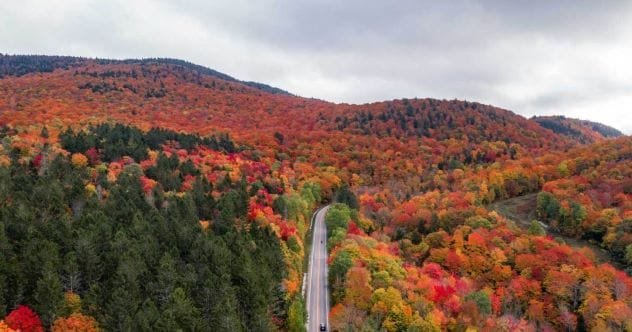
Green Mountain National Forest in Vermont is another expansive woodland treasure that could easily be elevated to National Park status. Established in 1932, the forest covers approximately 400,000 acres and 550 square miles, protecting a significant portion of the scenic Green Mountains. These mountains are part of the larger Appalachian Mountain chain, running north-south through central Vermont, with peaks soaring over 3,000 feet.
The national forest was created to safeguard these verdant peaks and their valuable hardwood forests. With its diverse plant life and strong focus on forest stewardship, the park, along with its sister park, the Finger Lakes National Park in New York, also serves as an important center for research and education. Of course, it also offers countless recreational opportunities along its many trails.
1 Atchafalaya Basin, Louisiana

Topping our list is the Atchafalaya Basin in Louisiana, the largest swamp in the United States. This immense wetland spans nearly one million acres and stretches 140 miles down to the Gulf of Mexico. Located west of New Orleans, the Atchafalaya Basin is even larger than the famed Florida Everglades and is home to the most significant nesting population of bald eagles in the southern U.S.
The basin contains the largest continuous hardwood forest in the country and an astonishing abundance of wildlife. If not for flood controls along its northern edge, the mighty Mississippi River might have already reshaped this landscape. As it is, the basin takes in about 30% of the Mississippi’s water on its journey to the Gulf. These waters create essential habitat for over 300 species of wildlife and 100 different aquatic species, alongside a rich diversity of native plants. Visitors can enjoy paddling, biking, birding, camping, and unforgettable swamp tours in this truly unique ecosystem.
The United States is home to countless natural wonders, and while the existing National Parks protect many of them, these ten locations highlight just a fraction of the breathtaking landscapes and vital ecosystems that are equally deserving of such recognition. Each possesses a unique blend of natural beauty, ecological importance, and historical significance that makes them prime candidates for becoming America’s next National Parks. Protecting these treasures ensures they can be enjoyed and cherished for generations to come.
Which of these incredible places do you think deserves National Park status the most? Or is there another hidden gem you’d add to the list? Share your thoughts in the comments below!