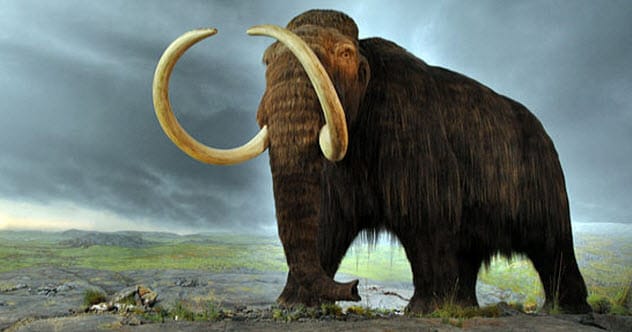
Jurassic Park warned us about resurrecting extinct giants. But despite the risks, scientists are pushing boundaries to bring back various extinct animals, even the mighty T. Rex. They haven’t achieved full success yet, but their ambitious de-extinction projects continue.
Let’s explore ten of these fascinating endeavors.
Colossal’s Woolly Mammoth Project
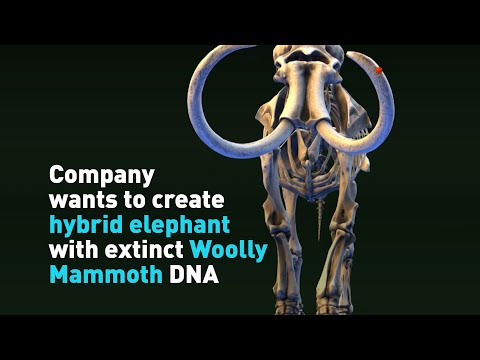
The woolly mammoth, which roamed the earth until 1650 BC, disappeared due to climate change and possible human hunting. Colossal Biosciences aims to resurrect these giants by 2027.
They plan to combine mammoth DNA from Siberian ice with Asian elephant DNA, creating a “mammophant.” While supporters envision boosted elephant populations and climate change reversal, some researchers question the feasibility and ecological impact of introducing a non-identical species.
The Moa’s Potential Return
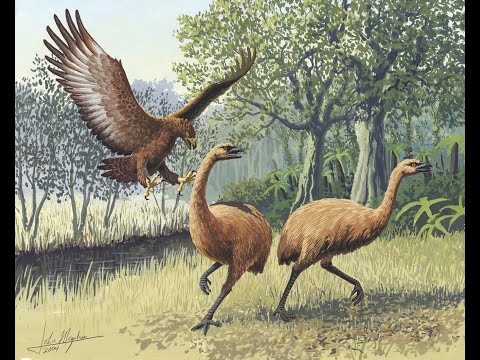
The Moa, a flightless bird from New Zealand, went extinct due to overhunting by the Polynesians. These birds ranged in size, with some as tall as 10 feet. They were an easy target and reproduced slowly, leading to their rapid demise.
Harvard University scientists are piecing together the moa genome. If they can place this genome inside a modern bird egg, they believe they can recreate a moa. With the Tasmanian tiger genome also reconstructed, a moa resurrection might not be far off.
Saber-Toothed Tiger Revival
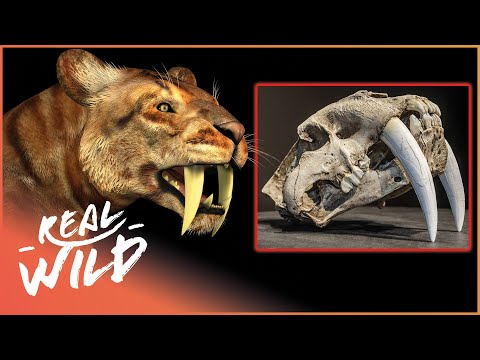
Saber-toothed tigers, massive predators that hunted bison and mammoths, disappeared due to overhunting and climate change. Scientists mapped their DNA in 2020 and discovered they were endurance hunters with excellent daytime vision.
Despite being extinct for 10,000 years, there’s growing interest in bringing them back. The main obstacle is insufficient DNA, but researchers are actively seeking solutions to revive these apex predators.
The Lena Horse Project
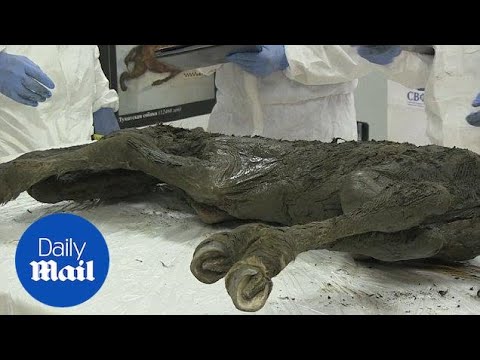
In 2018, well-preserved remains of a Lena foal were found in Siberian permafrost. This foal, believed to be two weeks old, died over 40,000 years ago.
Scientists extracted blood and urine and were confident they could resurrect the species using these blood samples. The foal is considered the best-preserved Ice Age discovery, and researchers are exploring ways to grow viable cells from its remains.
Colossal and the Dodo Bird
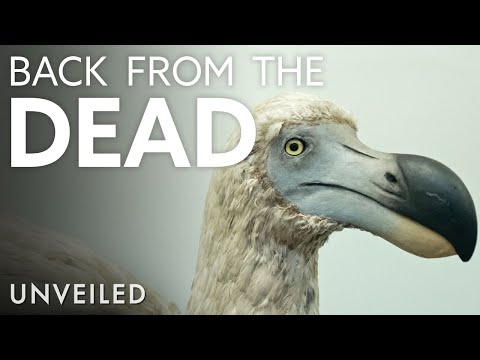
The dodo bird, extinct since 1662, disappeared due to overhunting and deforestation. With no existing taxidermied examples, researchers rely on historical paintings and bone discoveries to understand the dodo.
Colossal Biosciences aims to revive the dodo by editing the genomes of its modern relatives. While experts are skeptical, Colossal believes they can resurrect the dodo with the right genetic processes.
Resurrecting the Cave Lion
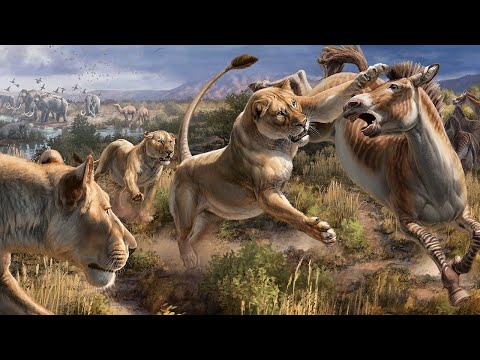
Cave lions, large predators that roamed Eurasia, Canada, and Alaska, fed on reindeer and bear cubs. Two well-preserved cubs, Sparta and Boris, were found in Siberian permafrost in 2018.
A South Korean geneticist, Hwang Woo-suk, plans to de-extinct the cave lion using tissue extracted from the cubs. Whether this ambitious project succeeds remains to be seen.
The Auroch’s Potential Return
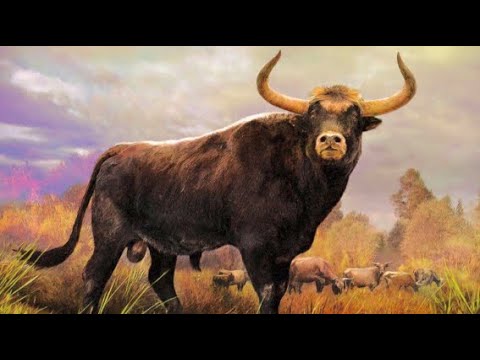
The auroch, a wild ox that once roamed Europe, Asia, and North Africa, became extinct in 1627 due to hunting and habitat loss. These massive beasts impacted human culture, appearing in cave paintings and gladiatorial battles.
Since 2012, scientists have been using genetic tissue from modern cattle breeds to bring back the auroch, fine-tuning the back-breeding process to restore this species to its former habitats.
Steppe Bison Revival
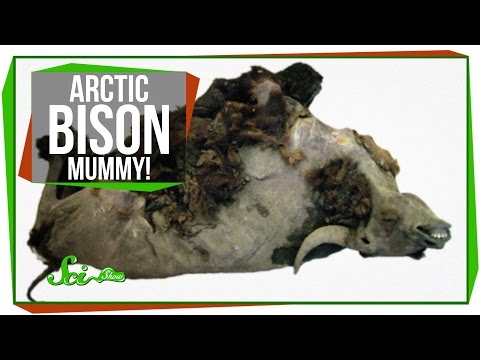
Steppe bison inhabited North America, Asia, and Europe but died out due to hunting and climate change. Fossils, including one nicknamed “Blue Babe,” have been found in permafrost.
In 2016, scientists announced plans to clone a Canadian wood bison and revive the steppe bison using a tail found in Siberian permafrost. Progress is ongoing, with potential breakthroughs on the horizon.
T. Rex: A Distant Dream?
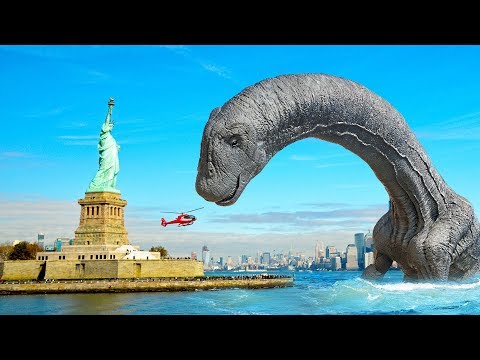
One of the most ambitious projects aims to resurrect dinosaurs, particularly the Tyrannosaurus Rex. While most believe dinosaur fossils are too old for useful tissue, the Adam Smith Institute is exploring back-breeding flightless birds using DNA isolation technology.
By isolating bird DNA and using gene technology, they hope to recreate a T. Rex by 2050, with plans to resurrect other dinosaur species as well.
The Dire Wolf Project

The dire wolf, an animal that went extinct with mammoths and saber-toothed tigers, was very different from modern wolves. Since 1987, Lois Schwarz has been breeding dogs that resemble dire wolves but have the temperament of domesticated dogs.
The result is the American Alsatian. While scientists have sequenced dire wolf DNA, it is impossible to use back-breeding techniques because it shares no genetics with modern wolves. So, it’s more of a look-alike than a revival.
These ten ambitious projects showcase the incredible potential and challenges of de-extinction. While the idea of bringing back extinct animals captures our imagination, the scientific and ethical considerations remain significant.
What do you think about de-extinction? Share your thoughts in the comments below!