When danger strikes, your choices can mean life or death. We all make mistakes, but in survival situations, a small error can have huge consequences. Knowing what *not* to do is just as crucial as knowing what to do. The key is making the right decisions when things get tough.
Let’s explore ten common blunders that can turn a challenging situation into a deadly one. Avoiding these pitfalls can significantly increase your chances of coming out safe and sound.
10. Underestimating Real Dangers

It’s easy to misjudge a situation, especially if it looks familiar. We might think a problem isn’t serious and not give it enough attention. But underestimating risks is a huge mistake. For example, a familiar hiking trail can still present sudden dangers like a fall, getting lost after rain, or unexpected wildlife encounters. When we’re comfortable, we often think we’re safer than we are. It’s vital to think ahead and plan for what could go wrong. If you’re in bear country, expect bears. Learn how to react, carry spray, and use your senses to stay alert.
9. Drinking Contaminated Water

Water is essential for life. When you’re very thirsty, you might be tempted to drink any water you find. This seems smart, but it can be very harmful. You could get sick from a waterborne virus. This choice can cost you your health or even your life. Always purify water in an emergency. Even clean-looking snow or rain needs to be treated to remove hidden germs. If you have matches and a pot, boil water. This ensures it’s safe to drink. Remember to purify extra water for later use.
8. Setting Up Camp Too Late

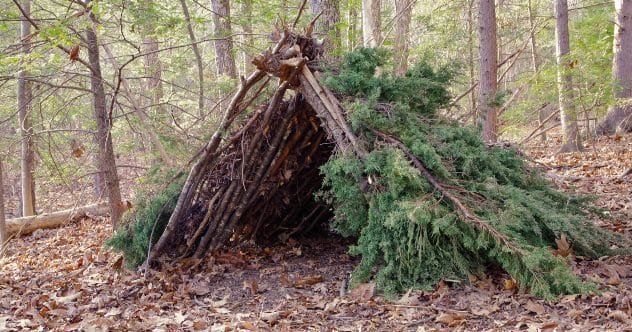
Not giving yourself enough time to reach your destination or set up camp before dark is another big mistake. Trying to do things in the dark puts you in needless danger. You might accidentally set up camp near a bear’s den or on a cliff edge without knowing! Around midday, start looking for a good spot for your camp. It should be on level ground, sheltered from wind, and near fuel and water. Build your shelter first, then gather enough firewood to last through the night.
7. Not Admitting You’re Lost

It can be tough to admit you don’t know where you are, especially when you’re alone and confused in the wilderness. This is a very dangerous situation. Some people keep going, hoping to find the right path. This isn’t always safe. If you continue, you might move further from safety. If a search party is looking for you, you could be moving away from them, making it harder for them to find you. The best thing to do is stop as soon as you realize you’re lost. Make a camp and create signals in an open area where rescuers can see you. This greatly improves your chances of being found.
6. Wrong Moves in a Wildfire

You can survive if a forest fire approaches. The key is to run. Sprinting through it gives you a better chance to escape the flames. Do not try to hide in a hole or cave. You could get trapped, and the fire might enter. Always run away from the fire. Cover as much skin as possible, especially your mouth and nose. Protect your eyes, mouth, and nose first. Choose a path with few obstacles that leads to an area where the fire will be less intense, like a meadow. Run with your eyes mostly closed, take a few deep breaths before entering smoke, and you’ll know when you’re through. Many people scream or try to breathe in when they hit the flames. Avoid this. Inhaling scorching air will instantly damage your lungs.
5. Panicking After Falling Through Ice

If you fall through thin ice, your first instinct might be to panic and scramble. But the first step is to stay calm! Don’t take off your heavy winter clothes. They can act as a flotation device and help keep your body heat in. Turn back towards the direction you came from – that ice was strong enough to hold you moments ago. Grab onto the thicker ice and pull yourself up. Stay flat on the ice; don’t stand up. Your weight is spread out better when you’re lying flat. Hopefully, someone has called for help by then. Warm up slowly, as your body is likely in shock.
4. Mishandling Snake Bites

A snake bite injects dangerous venom and can be fatal if not treated quickly by a professional. Getting bitten can cause panic, especially if you don’t know what to do. A common, but terrible, mistake is trying to suck out the venom with your mouth or an instrument. Sucking the bite area can make blood flow faster, speeding the venom through your body. This could make the venom reach your heart quicker. Call for an ambulance immediately. A snake bite is a life-threatening emergency. Stay calm and don’t move. Panicking and running will spread the venom faster. If bitten on a limb (leg, foot, or arm), you can apply a pressure immobilization bandage to slow the venom’s spread through your lymphatic system.
3. Jumping in a Falling Elevator

Most people panic if caught in a falling elevator. It’s a natural first reaction. But try to remember: never jump in a free-falling elevator. It won’t make your landing any softer and could lead to paralysis or death. Instead, it’s best to lie flat on your back on the floor. This distributes your weight evenly and raises your chances of survival much more than jumping would. While there’s no guarantee of survival, lying flat will help more than hinder.
2. Hiding Under an Overpass During a Tornado

Tornado warnings can appear suddenly. You might be driving over a bridge when an alarm sounds. Remember this: DO NOT get out of your car to hide under the bridge. Hiding under an overpass creates a wind tunnel effect. This can send debris flying past you at speeds of over 200 miles per hour, which would be incredibly dangerous. You need to find proper shelter. The general rule is if you get a tornado warning, go inside if you’re outside. If you’re home, go to the basement or an interior room without windows. Also, avoid driving after a tornado warning.
1. Tying a Rope Only Around Your Waist to Stop a Fall

Tying a rope around your middle might seem like a good way to stop yourself from hitting the ground if you fall. But think about what that rope could do to your body. When the rope tightens, it would squeeze you hard. This can cause serious damage, bruising, burst internal organs, or even break your back. If you are rock climbing, always use a strong, proper harness that attaches to your middle and upper legs. And if you don’t have the right equipment, avoid cliffs altogether.
Knowing these common survival mistakes is the first step to avoiding them. Preparation, clear thinking, and correct actions can make all the difference when you’re facing a dangerous situation. Stay safe out there!
What other survival mistakes do you think are critical to avoid? Leave your comment below!