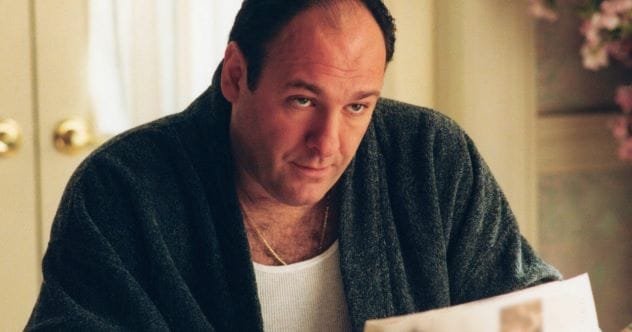
Television often sticks to familiar patterns. But what happens when a show decides to throw the rulebook out the window? Sometimes, writers and creators get daring, experimenting with how stories are told. These special episodes can surprise us, make us think, and even change how we see television. Get ready to dive into some of the most memorable times TV shows got wonderfully weird and wonderfully creative!
10 Buffy the Vampire Slayer – “The Body”
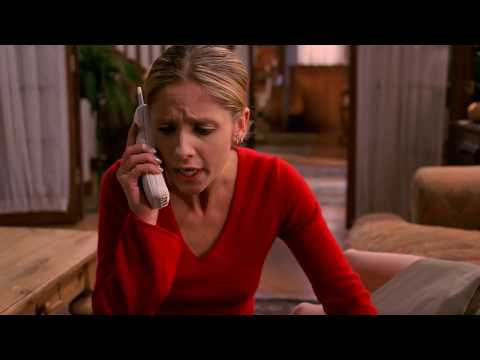
Buffy the Vampire Slayer was known for taking chances, like its silent episode “Hush” or the musical “Once More With Feeling.” But “The Body” stands out for its raw and experimental approach to grief. When Buffy’s mother, Joyce, suddenly passes away, the episode explores each character’s reaction with painful realism.
From Willow’s focus on trivial details to Anya’s struggle with the concept of death, the responses feel true to life. The episode’s power comes from its starkness. There’s no background music, no big villain to fight—just the quiet, overwhelming reality of loss. It’s an unforgettable hour that uses its unique style to hit viewers right in the heart.
9 Seinfeld – “The Betrayal”

Seinfeld often broke sitcom rules, with episodes like “The Chinese Restaurant” focusing on mundane waits. But “The Betrayal” took a truly bold step: it told its story entirely in reverse. Inspired by a Harold Pinter play, the episode starts at the end and works its way backward to the beginning of the characters’ misadventures.
We see the aftermath of Jerry setting George up with an old flame, and then unravel how things went hilariously wrong. While some viewers found the backward structure confusing at the time, it’s now seen as a clever and innovative way to tell a classic Seinfeld tale of social mishaps and awkward situations. It proved sitcoms could play with time and still deliver laughs.
8 BoJack Horseman – “Fish Out of Water”

BoJack Horseman masterfully blended comedy with deep explorations of depression. The season three episode “Fish Out of Water” is a prime example of its experimental genius. BoJack attends an underwater film festival, and because he’s wearing a diving helmet, almost the entire episode is silent.
Without dialogue, the story relies on visual gags and BoJack’s expressive animation as he tries, and fails, to apologize to someone he wronged. It feels like a classic silent film, with moments of pure physical comedy mixed with BoJack’s signature melancholy. This risky format allowed the show to convey complex emotions in a fresh and impactful way.
7 The Sopranos – “The Test Dream”

The Sopranos changed television with its complex characters and gritty realism. It wasn’t afraid to delve into its protagonist’s mind, and “The Test Dream” took this to an extreme. This season five episode features an astonishing 20-minute dream sequence, far more extensive than any the show had done before.
Viewers are plunged deep into Tony Soprano’s subconscious. The dream is surreal, filled with symbolism, and brings back characters from his past. Through this extended, almost psychedelic sequence, Tony grapples with his guilt and looming decisions, particularly the necessity of killing a family member. It was a bold way to explore a character’s inner turmoil, pushing the boundaries of narrative television.
6 The Simpsons – “Behind the Laughter”

Even a long-running giant like The Simpsons can surprise us. While usually following a traditional sitcom structure, the episode “Behind the Laughter” broke the mold entirely. It presented itself as a mockumentary, in the style of VH1’s Behind the Music series.
In this meta-episode, the Simpson family members are portrayed as actors on “their own show,” discussing their rise to fame, the pressures of stardom, and their behind-the-scenes squabbles. It was a hilarious and clever way to poke fun at celebrity culture and the show’s own iconic status. Showrunner Al Jean even once suggested it could have served as a fitting series finale.
5 Community – “Remedial Chaos Theory”

Community was a playground for experimental television, constantly playing with genres and formats. “Remedial Chaos Theory” from season three is arguably its most brilliant experiment. When the study group gathers for a party, a simple dice roll to decide who gets pizza determines multiple branching timelines.
Each time a different character leaves the room, we see how their absence affects the group dynamic and the evening’s events. This leads to various outcomes, including the infamous “darkest timeline.” The episode is a masterclass in intricate storytelling, exploring chance and consequence in a hilariously inventive way. It’s a fan favorite for a reason and a perfect example of Community’s creative ambition.
4 The Haunting of Hill House – “Two Storms”

Netflix’s chilling miniseries The Haunting of Hill House captivated audiences with its emotional depth and scares. The sixth episode, “Two Storms,” stands out for its incredible filmmaking. The episode features several impressively long, continuous takes, seamlessly drifting between the past and present timelines of the Crain family.
As the family gathers at a funeral home during a storm, and flashbacks show them enduring another storm at Hill House years earlier, the camera moves fluidly, almost like a ghost itself. This technique heightens the tension, showcases the actors’ powerful performances, and pulls the viewer directly into the family’s grief and horror. It’s a technical marvel that serves the story beautifully.
3 Breaking Bad – “Fly”

Breaking Bad is often hailed as one of the greatest TV shows ever, known for its thrilling plot and character development. The season three episode “Fly,” however, is famously divisive. It’s a “bottle episode,” meaning it’s largely confined to one location with minimal cast members. The entire story focuses on Walt and Jesse trying to kill a single fly in their meth lab.
For some, it was a jarring halt to the main action. For others, it was a brilliant, play-like episode offering a deep dive into Walt’s psyche. As they hunt the fly, Walt’s guilt and paranoia surface, particularly concerning his role in Jane’s death. “Fly” is a bold slowdown, using a simple premise to explore complex emotions and the strained relationship between its two leads.
2 ER – “Ambush”

Imagine the pressure of filming a TV episode live, with no chance for retakes! The medical drama ER took on this daring challenge with its season four premiere, “Ambush.” The episode was presented as if a documentary crew was filming the chaotic happenings of Chicago’s County General Hospital.
This framing device justified the different visual style, but the real kicker was that it was broadcast live to audiences. Viewers watched the actors and crew navigate complex medical scenes and emotional moments in real-time, adding an extra layer of suspense. It was a high-wire act that paid off, making “Ambush” a memorable and innovative moment in TV history.
1 Twin Peaks: The Return – “Part Eight”

If any show was going to deliver truly avant-garde television, it was David Lynch’s Twin Peaks. The original series pushed boundaries in the ‘90s, but its 2017 revival, Twin Peaks: The Return, allowed Lynch to unleash his full artistic vision. “Part Eight” is perhaps the most stunning example of this.
This hour of television is less a traditional narrative and more an extended, surreal journey through the show’s mythology. With breathtaking, often abstract imagery and a non-linear structure, it explores the origins of evil in the Twin Peaks universe, possibly even showing the birth of the sinister entity Judy. It’s challenging, beautiful, and unlike anything else on television, solidifying its place as a landmark of experimental art on the small screen.
These ten episodes are fantastic examples of what happens when television creators decide to color outside the lines. Whether it’s playing with time, embracing silence, diving into dreams, or even broadcasting live, these experiments often lead to some of the most talked-about and remembered moments in TV history. They remind us that storytelling has no limits and that taking creative risks can lead to truly unforgettable television.
What are your favorite experimental TV episodes? Did any of these make your list? Share your thoughts and other bold examples in the comments below!