
Language is a constantly evolving entity. Words we use daily have fascinating stories of transformation, often due to pronunciation shifts, errors, or cultural influences. Let’s explore ten common words that have undergone surprising spelling changes over time.
Ain’t Was Amn’t
Ain’t is a controversial word, often frowned upon in formal settings. But where did it come from? Originally, ain’t was amn’t, the contraction of “am not.” However, “mn” is rare and difficult to pronounce in English, so amn’t evolved into an’t. To specify “am not,” the “i” was added, creating ain’t. Interestingly, amn’t still survives in parts of Scotland and Ireland.
Nickname Was Ekename
The term “nickname” first appeared around 1303 as “eke name.” “Eke” is an Old English word meaning “in addition.” So, “eke name” meant “additional name.” As “eke” became outdated, people replaced it with “nick,” a cooler-sounding substitute unrelated to the original meaning.
Adder Was Nadder

The adder snake was initially called “nadder,” derived from the Old English “naeddre,” meaning viper. The transformation occurred through a linguistic process called rebracketing. People started saying “a nadder,” eventually misinterpreting it as “an adder,” leading to the modern spelling.
Orange Was Arangia

The word “orange” has a colorful history, literally! Originating in southern China and northeast India, the fruit was called “naranga” in Sanskrit. Arab traders modified it to “naranj,” which became “arangia” in Europe. The English, struggling with pronunciation, eventually settled on “orange” in the 1500s.
Aluminum Was Aluminium
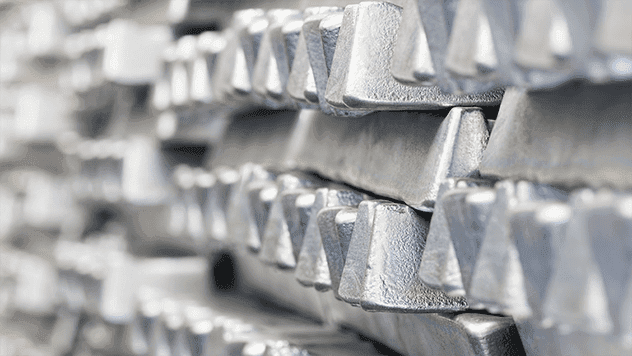
The spelling of “aluminum” differs between American and British English. Both versions originated from Sir Humphry Davy, who initially named the element “alumium” in 1807. He later changed it to “aluminum” and then “aluminium” to rhyme with other elements. American dictionaries favored “aluminum,” and the American Chemical Society officially adopted it in 1925.
White Rhinoceros Was Wide Rhinoceros

Despite its name, the white rhino isn’t actually white. The name likely stems from a mishearing of the Dutch word “widje,” meaning “wide,” referring to the animal’s broad lips. This contrasts with the pointed lips of the black rhino, making lip shape the key differentiator, not color.
Welsh Rarebit Was Welsh Rabbit
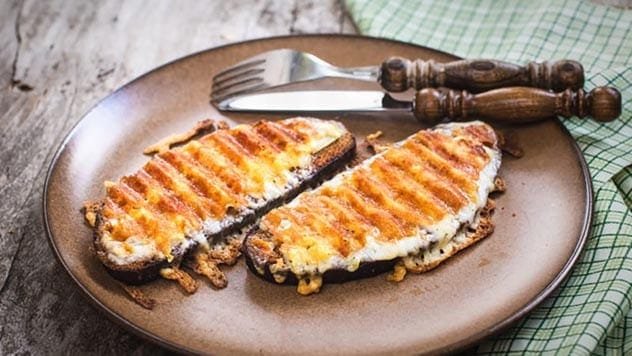
Welsh rarebit, a savory dish of toasted bread and cheese sauce, has no rabbit in it! Originally known as “caws pobi” (Welsh for toasted cheese), it was later humorously renamed “Welsh rabbit.” The shift to “Welsh rarebit” around 1785 was likely an attempt to make the dish sound more palatable.
Spitting Image Was Spit And Image Or Spitten Image

The origin of “spitting image” is somewhat debated. One theory suggests it evolved from “spit and image” or “spitten image,” with “spit” referring to a father’s semen. Others propose it came from slurring “spit and” into “spitting.” Alternative theories include “spirit and image” or “splitting image.”
Apron Was Napron

“Apron” is another example of rebracketing. Originally, it was “napron,” derived from the French “napperon,” meaning a small tablecloth. English speakers mistook “a napron” for “an apron,” leading to the modern spelling.
Omelet (L’omelette In French) Was La Lemelle

The journey of “omelet” began with the French “la lemelle,” meaning “the little blade,” referring to the dish’s flat shape. Over time, it transformed into “l’alemelle,” then “amelette,” and finally “l’omelette.” The English adopted “omelette” in the 1600s, while Americans shortened it to “omelet.”
Conclusion
These ten words provide a glimpse into the fascinating world of linguistic evolution. Spelling, pronunciation, and meaning are constantly shaped by various factors, including errors, cultural shifts, and simple convenience. Language is a living, breathing entity, continually adapting and changing.
What other word origins intrigue you? Leave your thoughts in the comments below!