
Global crime rates are a serious concern, with criminal organizations becoming increasingly sophisticated. These groups use creative communication methods to stay ahead. Understanding these signals can help you stay informed and aware of potential threats. Let’s explore ten signals that criminals use to communicate.
10. Steganography

Steganography involves hiding messages within ordinary media, making them undetectable to outsiders. Criminals might alter images, embedding secret messages while ensuring the pictures appear normal. This technique ensures that only the intended recipient can decode the hidden information.
Historically, messengers used tattoos on their heads, concealed by hair, to deliver secret information. Modern criminals use similar methods, hiding messages in images or videos and posting them online. Even standard electronics like Xboxes have been used to send and receive these covert communications.
9. Dead-Drops

A “dead drop” is a prearranged location where criminals leave information or payments for each other. These spots can be anywhere: a tree in a park, a dustbin, under park seats, or even inside fake rocks. The person dropping off the information will often watch from a distance to ensure the pickup is secure.
This system’s effectiveness has made it a lasting tool, even used by intelligence agencies today.
8. Production Houses

Terrorist organizations use in-house media production to disseminate information to multiple criminal groups through horrific content spread across the internet. This not only serves to inform but also to terrorize governments and demoralize opposition forces.
Law enforcement agencies combat this by deleting online copies and making the upload of such content illegal.
7. Disposable SIM Cards
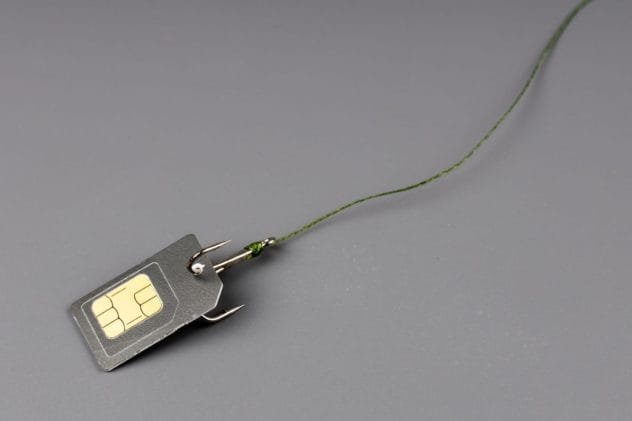
Disposable SIM cards are crucial due to the rising threat of hacking and surveillance. These cards offer a cheap, reliable, and secure way for criminals to communicate short-term. After use, the cards are destroyed to prevent tracking.
Criminals typically buy these SIM cards anonymously, making it difficult for law enforcement to trace them. Even corporate heads use this method when vulnerable to phone hacking and needing to discuss sensitive information.
6. Email and SMS Text Messages

While email and SMS are common, criminals use them with codes and less frequently to avoid detection. They use short, coded messages; for instance, referring to the White House as “politics.”
They also use the draft messages folder tactic. One party writes the message and saves it as a draft, then provides account logins to the other party, who recovers and deletes the message, leaving no trace.
5. Social Media / Chat Rooms / Gaming
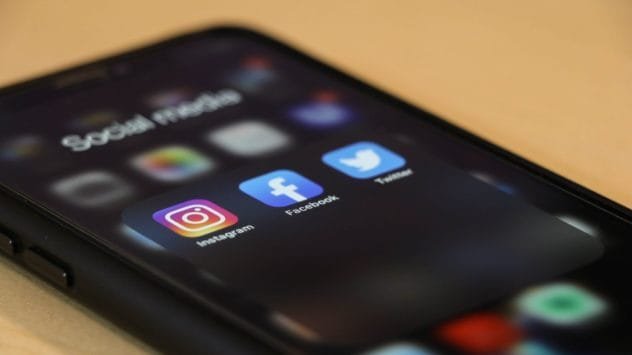
Social media platforms have become communication hubs for criminal activities. Organized hate groups and conspiracy theorists use apps to plan and coordinate actions. However, due to the risk of law enforcement, these platforms are mainly used to meet, interact, and network.
Criminals use secret passwords to enter chat rooms, with platforms like Telegram favored for their self-deleting messages. These chat rooms often require a secret codeword or security questions to ensure only members gain access.
4. Personal Courier

Criminal organizations sometimes use personal couriers to deliver sensitive items. This method avoids digital trails, as messages sent over the internet are never truly deleted. Human messengers are used for secretive and sensitive criminal information.
However, this method is not foolproof; authorities can track individuals on mere suspicion. Trust in the messenger’s loyalty is crucial, as betrayal can lead to exposure.
3. Gang Signs/ Colors /Tattoos

Gangs use distinct marks or tattoos to identify members. For example, the Japanese Yakuza use full-body tattoos, while American biker gangs wear headbands. These symbols help members recognize each other and distinguish themselves from others.
Pay attention to these symbols to help law enforcement identify potential criminal groups.
2. Flashing Car Headlights / Different Lighting

Criminal organizations use preplanned headlight flashing routines to alert their counterparts. These signals have different meanings for each variation. For instance, flashing twice might indicate the presence of police, while continuous flashing signals rival gangs.
Gang cars also use color-changing lights to pass messages, with red indicating danger and white signifying new rivals.
1. Distinct House Markings

Criminal gangs use secret signs engraved on front doors to signal affiliation. These markings warn rival gangs to keep away from the property. In areas like Detroit, gangs use insignia to assert dominance and warn rivals.
Drug dealers also use distinct markings on their homes to indicate the availability of drugs for buyers.
Understanding these signals provides insights into the methods criminals use to communicate. Staying informed can help you recognize potential threats and keep your community safe.
What other subtle signs have you noticed? Share your thoughts in the comments below!