South America is known for its incredible and diverse wildlife. While some animals are dangerous, many have reputations that are worse than reality. It’s important to be careful around wild animals, but understanding the truth about them can reduce unnecessary fear.
10 Most Caimans
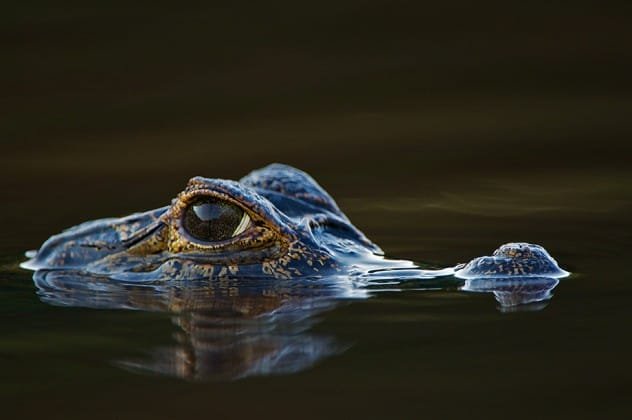
Caimans are small crocodilians related to alligators. People often fear them, but their small size is usually exaggerated. While some species like the black caiman (Melanosuchus niger) can be dangerous, especially to children, attacks are rare. Most caimans are small, nocturnal animals that prefer fish over people. Being cautious is wise, but it’s wrong to consider all caimans dangerous monsters.
9 Green Anaconda
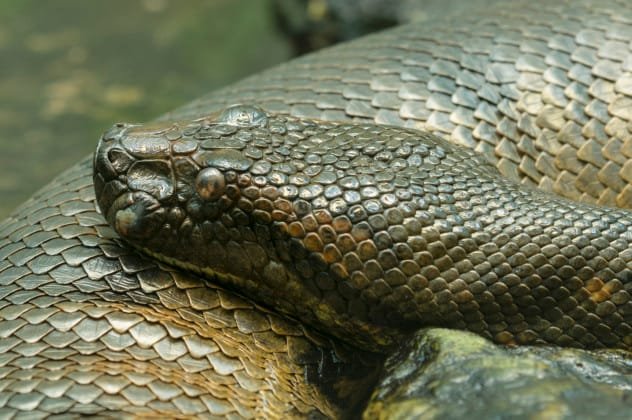
The green anaconda is the heaviest snake in the world, reaching up to 155 pounds and 20 feet long. It’s a non-venomous boa that constricts its prey. Despite its size and strength, the green anaconda rarely eats large prey like humans. In movies, it’s portrayed as a man-eater, but such attacks are extremely rare. While an adult female could kill a person, they generally don’t seem interested. Avoid approaching or touching them, but with caution, you’ll be safe.
8 Piranha
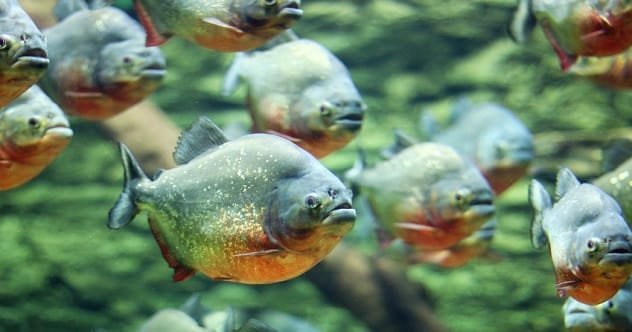
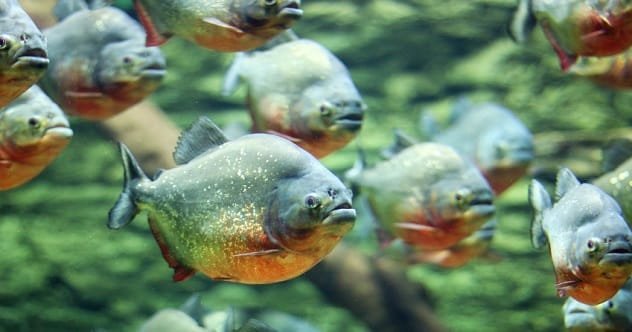
Piranhas are often depicted as schools of carnivorous fish that can devour a large animal in seconds. However, this is an exaggeration. Piranhas are actually omnivores, and their groups are more for protection. Their diet consists mainly of vegetable matter. They do eat meat and have a powerful bite, but the idea of them devouring a large carcass comes from an embellished account in an American president’s journal. They don’t pose a serious risk to humans.
7 Poison Dart Frog
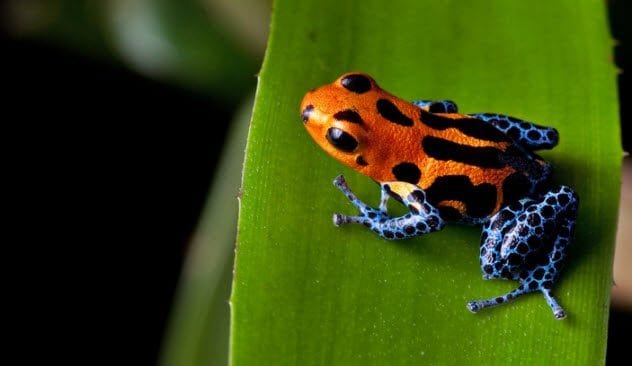
Poison dart frogs, especially the golden poison dart frog (Phyllobates terribilis), are known for their bright colors and deadly poison. However, they are not as threatening as portrayed. Their poison is lethal if it enters the bloodstream, but they have no way to deliver it. You’re only at risk if you try to eat one or handle it with an open wound. Interestingly, in captivity, they lack these toxins. These frogs are better admired than feared.
6 Cougar
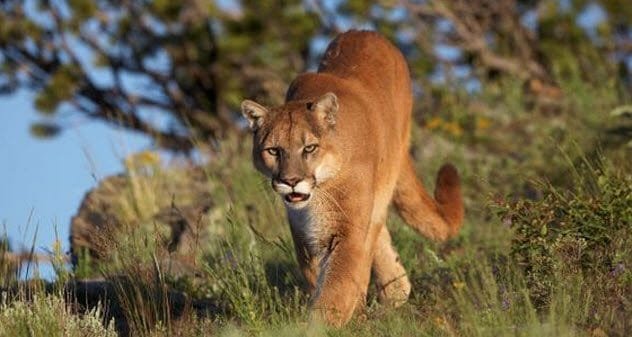
Cougars, also known as mountain lions, pumas, or panthers, are the second largest cat species in the New World. They live near inhabited areas and their screams can be terrifying, making them a common element in folklore. However, attacks on humans are extremely rare. Cougars are more at risk from us due to their dangerous reputation, leading to their decline. Efforts are being made to correct the embellished claims to protect the species.
5 Brazilian Wandering Spider
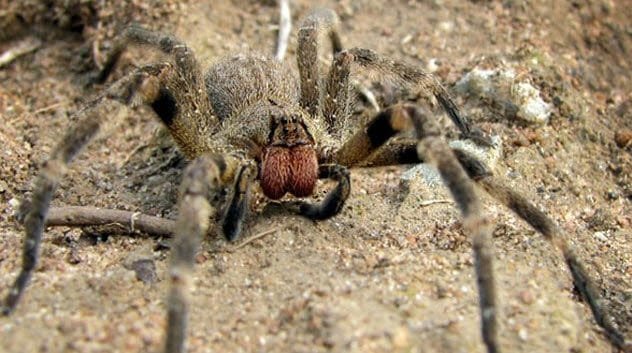
Brazilian wandering spiders are large, active spiders with a leg span of up to 6 inches. They have one of the most toxic spider venoms on Earth, and their bite can cause erections in humans. They sometimes hide in banana leaves and international shipments. However, despite their venom and size, they are not as aggressive as often portrayed. They are defensive and will only bite in self-defense. Only a small percentage of bites require antivenom, and chances of survival are high.
4 Giant Otter

Giant otters are twice the size of American otters, growing up to 6 feet long. They are apex predators with a surprisingly vicious nature, and could potentially kill a person. However, they are generally uninterested in doing so, hunting smaller prey and only fighting in self-defense. Sadly, giant otters are greatly endangered due to human poaching. We pose a much larger threat to them than they do to us.
3 Amazonian Giant Centipede
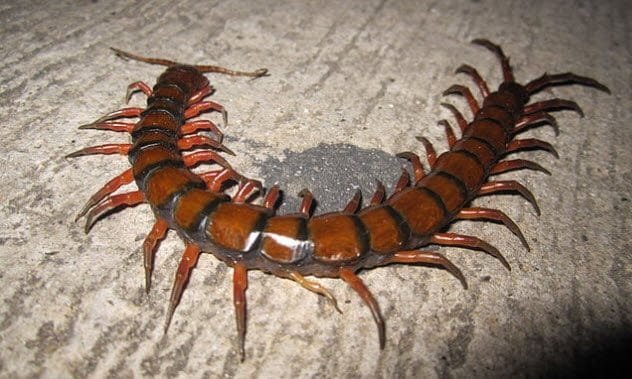
The Amazonian giant centipede is the largest centipede in the world, growing up to 1 foot long. They have modified legs that inject a painful venom. Scolopendra gigantea preys on various animals and can live for a decade. While they are carnivores that hunt any animal they can overpower, they are unlikely to be fatal to humans. There has been only one reported fatality, a tragic case where a child was bitten. They aren’t a serious threat in most cases.
2 Bullet Ant
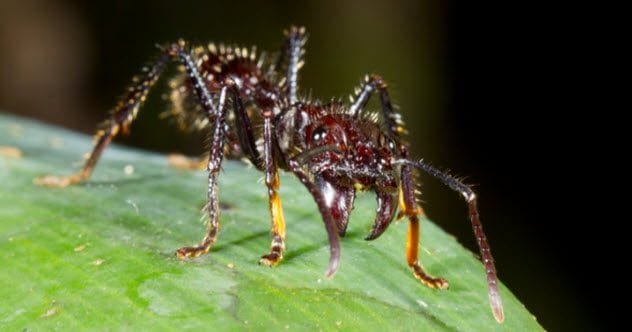
The bullet ant has a sting so powerful it feels like being shot. While scary, it’s not deadly. Their sting delivers intense pain, holding the top spot on Schmidt’s sting pain index. Indigenous Brazilian tribes willingly sting themselves with these ants in a painful ritual. Despite the terrible pain and multiple stings, no human fatalities have ever been attributed to bullet ant stings.
1 Goliath Birdeater Tarantula

The Goliath birdeater tarantula is one of the largest spiders on Earth. It is massive, hairy, and can launch irritating urticating hairs as a defense mechanism. Its leg span can reach up to one foot, and it can weigh up to 6 ounces. Despite its name, it rarely eats birds. Its size is often exaggerated, along with claims about its hairs causing suffocation or its venom being deadly. It isn’t the most docile, but also not aggressive. No human fatality has ever been attributed to a tarantula bite.
What are your thoughts on these animals? Leave your comments below!