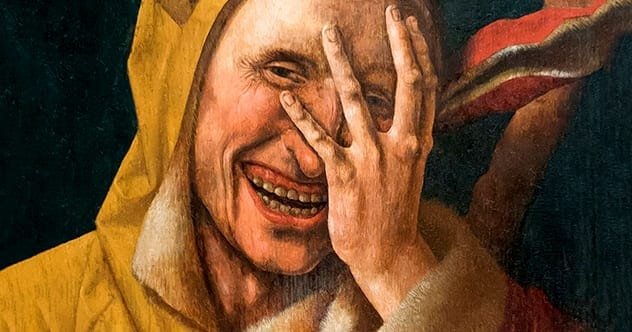
Court jesters held a unique position in royal courts worldwide. Dressed in distinctive outfits, they lived in extravagance, their status secure as long as they amused the monarch. They possessed the rare privilege of speaking freely, a freedom that could cost others their heads.
Here are ten of history’s most memorable jesters and their daring antics.
Jeffrey Hudson
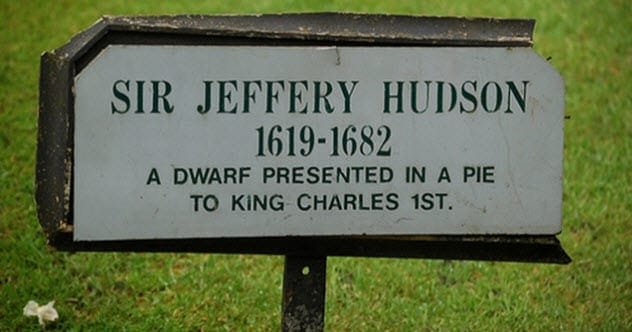
Physical uniqueness often paved the way to becoming a court jester. Hunchbacks, exceptionally tall individuals, and dwarfs were welcomed. Sir Jeffrey Hudson, standing only 18 inches tall at age seven, was presented to Queen Henrietta Maria in 1626. He emerged from a pie, clad in miniature armor.
Hudson accompanied the queen, providing private entertainment. Admired for his perfect proportions despite his height, he was considered a “wonder of the age.” The court erupted in laughter when a seven-foot-tall porter would pull Hudson from his pocket. During the English Civil War, Hudson stood by Queen Henrietta Maria, defending her with a sword and pistol, earning the title Captain of Horse. However, this loyalty led to exile, capture by Barbary pirates, and 25 years of slavery.
Borra
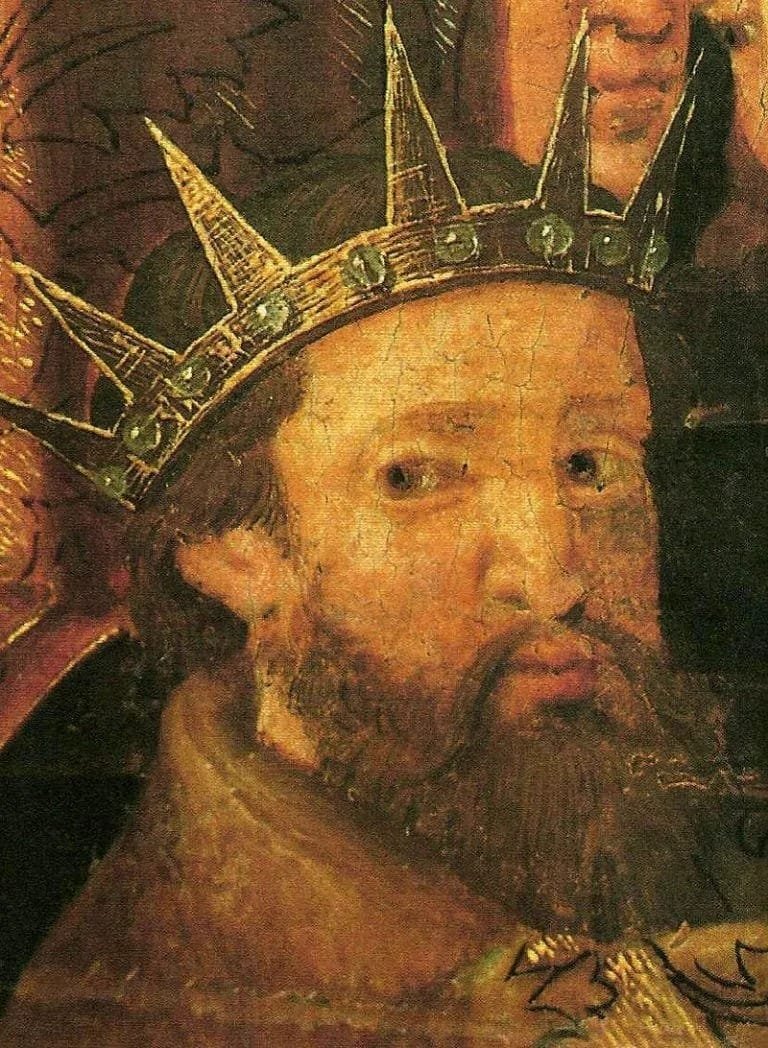
Maintaining a king’s good mood was crucial, especially during illness, when succession anxieties arose. Jesters often attended to ailing monarchs alongside doctors.
When King Martin I of Aragon was bedridden, Borra was summoned to entertain him. Borra’s tardiness prompted the king to inquire about the delay. Borra’s joke proved fatal, reportedly ending the monarch’s life. He said, “In the next vineyard, where I saw a young deer hanging by his tail from a tree, as if someone had so punished him for stealing figs.” The King found it so amusing that he laughed for a solid three hours before falling from his bed and dying.
Taillefer
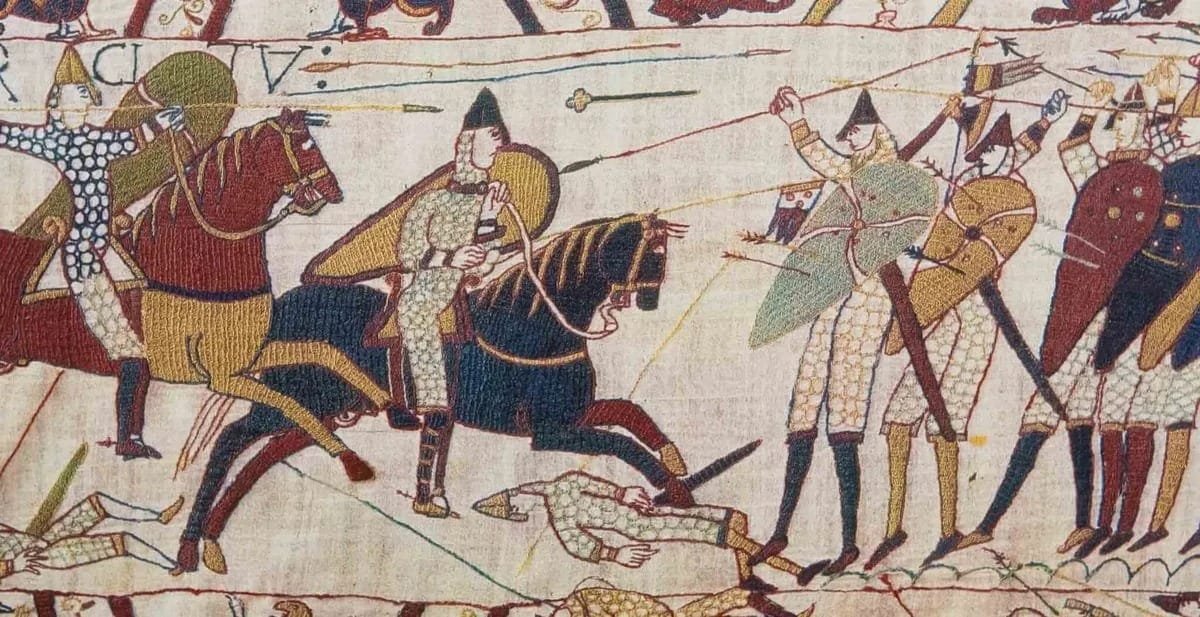
The Battle of Hastings in 1066 marked a turning point in British history. Yet, the first Norman casualty wasn’t a warrior, but William the Conqueror’s court jester, Taillefer.
Taillefer juggled and sang before the Norman forces, performing the Song of Roland and tossing swords. While amusing his comrades, the English were less impressed. Challenged by an English soldier, Taillefer killed him before venturing into the English lines, where he met his end. Despite his antics, he was omitted from the Bayeux Tapestry. Interestingly, Taillefer translates to “hewer of iron” in French, a title echoed by Eisenhower centuries later.
Mathurine de Vallois
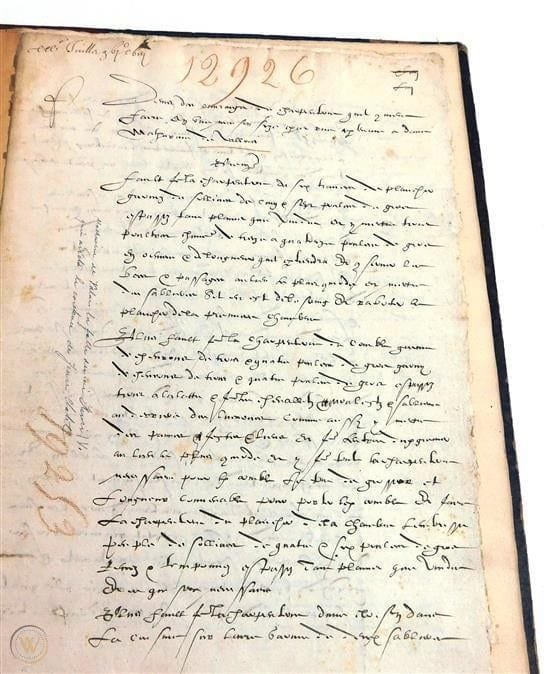
Mathurine de Valois served at the French royal court under kings Henry III, Henry IV, and Louis XIII around 1600. She was as famous for her eccentric outfit as for her sharp wit. She often appeared as an Amazon warrior, complete with wooden shield and sword.
Despite their privileged status, jesters faced jealousy. When a court lady scorned sitting next to Mathurine at a feast, Mathurine promptly moved, stating, “I don’t mind it at all.” Known for converting Protestants back to Catholicism through humor, she also displayed bravery, once thwarting an assassin at the king’s door.
Philip VI’s Jester
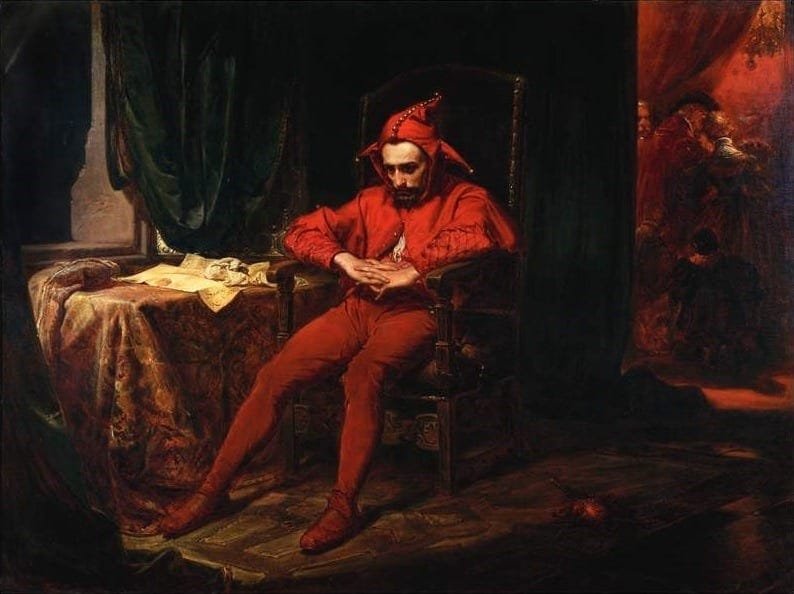
The Hundred Years’ War saw the English defeat a larger French fleet at the Battle of Sluys, resulting in approximately 20,000 French casualties. No one dared to inform King Philip VI of the devastating loss.
The court jester stepped forward, saying, “Our knights are much braver than the English.” When the king inquired how, the jester quipped, “The English do not dare to jump into the sea in full armor.”
Will Somers

Henry VIII, known for his temper, had Will Somers as his jester for decades. Somers had unusual access to the king, even entering his bedchamber. Despite this privilege, Somers once angered Henry with jokes about Anne Boleyn and Princess Elizabeth, but he survived and remained at court. He once shamed a juggler so much that he left court. Nobles appreciated Somers for his ability to calm the king’s rage. Robert Armin wrote a poem in his honor, highlighting his ability to dispel the king’s sadness.
Dongfang Shuo
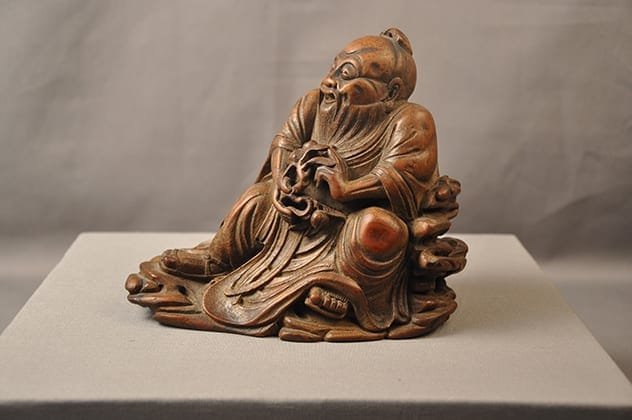
In Chinese imperial courts, wit was valued, but a wrong joke could be fatal. Dongfang Shuo not only survived but became a deity.
He gained Emperor Wu’s favor by boasting of his greatness and height. To get the emperor’s attention, he tricked the palace dwarfs into bowing to the emperor. When asked who made them do this, they told him it was Dongfang. Challenged by the emperor, he replied, “The dwarfs are somewhat over three feet in height, and as a stipend they receive one sack of grain and 240 cash each…I am somewhat over nine feet in height, and as a stipend I too receive one sack of grain and 240 cash…The dwarfs are about to die from overeating, I am about to die of hunger.” This led to his role as an imperial advisor and later, a deity of gold and silver.
The Earl of Rochester

After the English Civil War, Charles II restored the monarchy but didn’t employ jesters. Instead, he relied on witty individuals like John Wilmot, the second Earl of Rochester. His quick wit and poetic talent made him the unofficial jester of the Restoration Era. He once wrote a rhyme about the king, highlighting his lack of wise actions.
However, Rochester’s behavior, including drunkenness and violence, led to his early death. One of his poems reflects his tragic end, describing a life spent in error.
Hershel of Ostropol

Hershel of Ostropol rose from poverty, relying solely on his wit. Starting as a butcher, his jokes led him to become a traveling funny man, a figure in folk stories. He became the unofficial jester of Rabbi Boruch of Medzhybizh, whose melancholy was relieved only by Hershel’s humor. One story recounts his refusal to doff his cap to a noble, claiming his hat was also “from Ostropol.”
Roland the Farter

An ancient Sumerian joke highlights the timeless humor of flatulence. In the 5th century AD, Saint Augustine noted individuals who could musically control their flatulence. Henry II of England was entertained by Roland the Farter, granting him a manor house and 30 acres for his performances.
Roland’s rent to the crown was “Unum saltum et siffletum et unum bumbulum” – One jump, one whistle, and one fart.
From dwarf jesters leaping out of pies to jesters whose jokes were literally killer, these ten figures prove that a jester’s life was anything but dull. Their stories are a testament to the power of wit, humor, and the occasional well-timed fart.
Which of these jesters made you laugh the most? Leave your comment below!