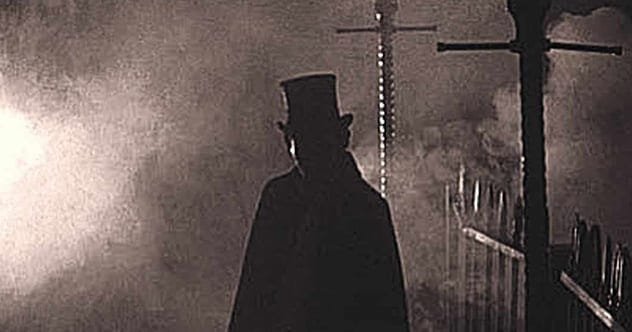
The Victorian Era, spanning from 1837 to 1901 during Queen Victoria’s reign, was a period of significant economic, cultural, technological, and religious transformation in England.
However, this rapid progress had a dark side. Social changes and economic disparities led to a rise in crime, which in turn spurred the evolution of police and detective forces. While lacking modern forensic tools, Victorian detectives employed methods ranging from the rudimentary to the surprisingly innovative.
Here are ten crime-solving techniques used by detectives during the Victorian Era:
Fingerprints

In 1892, Francis Galton, an English scientist and mathematician, expanded on the research of Scottish physician Henry Faulds. Galton developed the first systematic textbook for fingerprint identification, specifically for identifying suspects. The minute variations in fingerprint lines are still known as Galton Details.
Although fingerprints weren’t used to secure a criminal conviction in England until after the Victorian Era, the concept gained traction during this time and was implemented as a forensic test. Harry Jackson’s fingerprints on a freshly painted windowsill helped convict him of stealing billiard balls.
Toxicology

Surprisingly, many people resorted to poisoning their enemies during the Victorian Era. Arsenic, chloroform, cyanide, and strychnine were frequently used as causes of death because they were inexpensive and easily accessible, even sold as medicines in chemist shops.
To counter this, chemists began developing toxicology. In 1836, British chemist John Marsh invented the Marsh Test, a sensitive method for detecting arsenic, which was otherwise odorless, tasteless, and untraceable in the human body. The test significantly reduced arsenic poisonings in the latter half of the 1800s due to its effectiveness, ensuring capture and conviction.
Fibers

Rudolf Virchow, known as the father of modern pathology, first used hair fiber analysis in a criminal investigation in 1861. However, he cautioned that fiber comparisons were circumstantial evidence and rarely conclusive.
Fiber comparison quickly became a valuable tool. Fibers found at crime scenes or on victims helped determine a suspect’s sex, age, profession, and hair color. This provided a starting point for investigations. Combined with material evidence and witness accounts, fiber identification often led to convictions.
Autopsies

Virchow also developed the first systematic autopsy method, much of which is still in use. He advocated for forensic autopsies and standardized the process of examining the body’s exterior, internal organs, and areas of interest in greater detail, such as under a microscope.
As the technique advanced, its forensic application expanded. Determining the time of death using body temperature and rigor mortis helped investigators in profiling and finding witnesses.
Criminal Profiling

Jack the Ripper, the most infamous criminal of the Victorian Era, murdered and mutilated at least five women in Whitechapel, London, in 1888. The heinous crimes shocked England, putting immense pressure on the police. In response, they developed new investigation methods, including criminal profiling.
Police surgeon Thomas Bond created the first documented criminal profile. After examining the victims and noting unique characteristics of their deaths and mutilations, he deduced significant information about the killer.
Importantly, Bond confirmed that all victims were killed by the same person, disproving theories of multiple Rippers. His conclusion that the killer lacked anatomical or surgical knowledge also cleared suspects with relevant medical histories.
Eyewitnesses

Victorian police also relied on eyewitness accounts, one of the most ancient and universal forms of evidence. Eyewitnesses were critical in convicting criminals before DNA and video evidence.
The Victorian Era was known for rumors and gossip. Without constant mass entertainment, people often gossiped for entertainment, increasing their nosiness. Police efforts to gather information door-to-door were fruitful.
Suspect Sketches
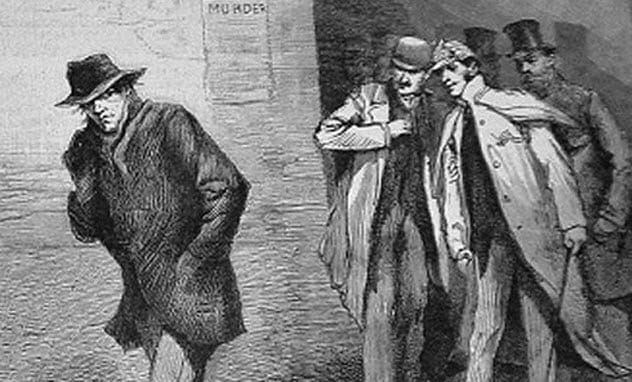
Eyewitness accounts reached a new level of importance during the Jack the Ripper case. Many Whitechapel residents claimed to have seen Jack entering or exiting crime scenes, or with the victims. To standardize these accounts, police published a composite sketch of Jack in newspapers.
The goal was for the public to positively identify the suspect. Millions of newspapers with the sketch were sold, marking the first worldwide media frenzy. Although the composite sketch didn’t lead to an arrest, it popularized the crime-solving technique worldwide.
Ballistics
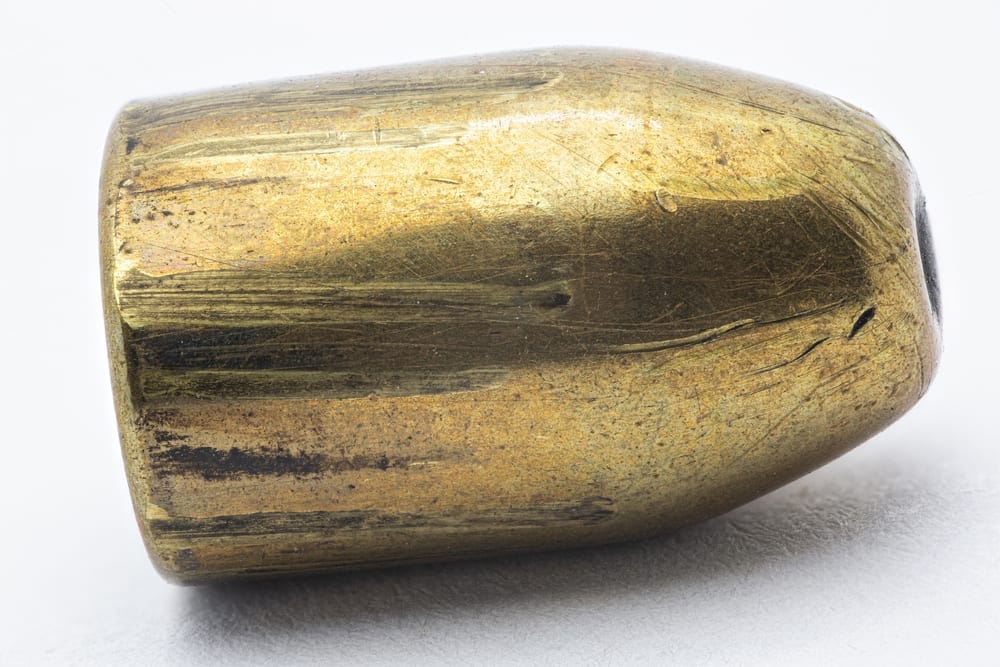
Before Scotland Yard, the Bow Street Runners were London’s first professional police force. In 1835, Henry Goddard, a member, became the first person to identify a murderer using forensic ballistics.
The concept of forensic ballistics had existed since the 1500s when rifling was invented, giving ammunition unique characteristics. Goddard compared a bullet from a victim’s body to bullet molds in the area.
He matched it to a mold in the home of a leading suspect; this secured the case and brought the murderer to justice. Forensic ballistics gradually became a key aspect of forensic science.
Photography

Crime scene photography was a significant invention of the Victorian Era. Invented in 1822, photography was initially limited to hobbyists and artists. Its value at crime scenes became clear, and police began photographing crime scenes, blood patterns, and victims’ bodies toward the end of the era.
A striking example is the photograph of Mary Jane Kelly, one of Jack the Ripper’s victims. This graphic photo, taken after her body was discovered, allowed investigators to examine the crime scene in perpetuity.
As Jack the Ripper’s identity remains unconfirmed, amateur investigators still analyze the photograph in their efforts to solve the case.
Interrogation and Investigation
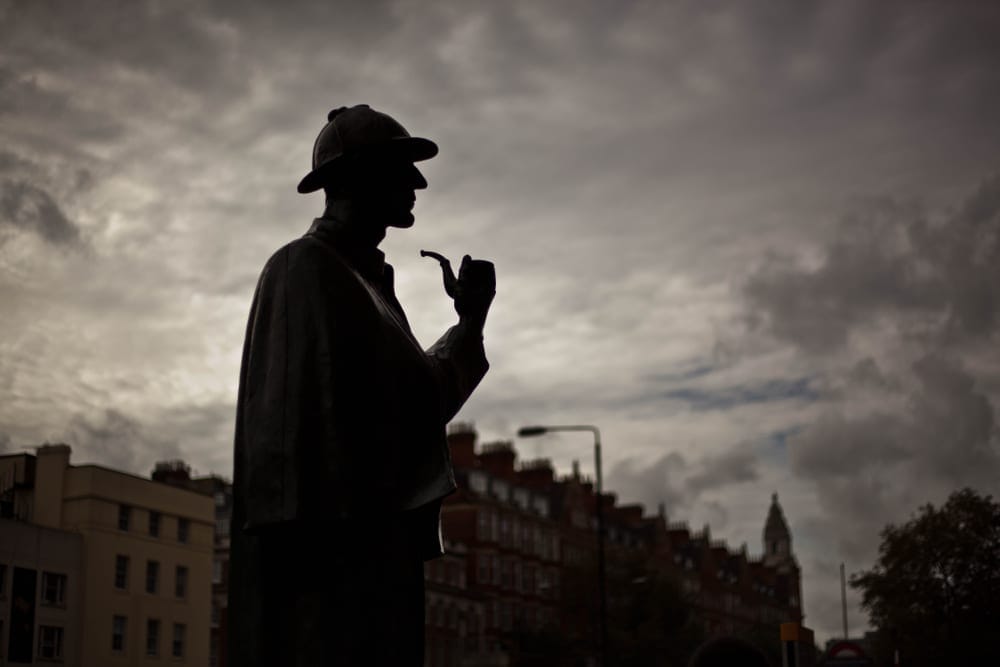
Regardless of technology, the most valuable asset of Victorian Era police was their ability to remember every citizen and case. Alex Werner, a curator at the Crime Museum in London, noted that a good detective could recognize anyone by their face and recall their past.
A skilled Victorian detective knew their beat thoroughly, memorizing the histories and affiliations of the neighborhood’s residents.
Detectives approached each case with prior knowledge and went door-to-door to gather more information. Before computer databases, detectives served as the databases themselves.
These techniques, though primitive by today’s standards, laid the foundation for modern forensic science and criminal investigation. The Victorian Era’s advancements in crime-solving reflect the era’s broader push for progress and innovation, even in the face of its darkest challenges.
What do you think was the most impactful technique? Leave a comment below!